Guides · Systems
GTA6 NPC AI Upgrades: Bringing Leonida to Life
GTA6's NPC system is one of the core upgrades behind the series' push for deeper open-world immersion. Rockstar is no longer content with background crowds that merely look busy; denser populations, more varied appearances, a bigger animation library, and more believable reactions are meant to turn passersby into an organic part of the world. The breakdown below of confirmed NPC AI behavior upgrades draws on official trailers, the Extended Look, press previews, and developer interviews.

On this page
GTA6’s NPC system is one of the core upgrades behind the series’ push for deeper open-world immersion. Rockstar is no longer content with background crowds that merely look busy; denser populations, more varied appearances, a bigger animation library, and more believable reactions are meant to turn passersby into an organic part of the world. The breakdown below of confirmed NPC AI behavior upgrades draws on official trailers, the Extended Look, press previews, and developer interviews.
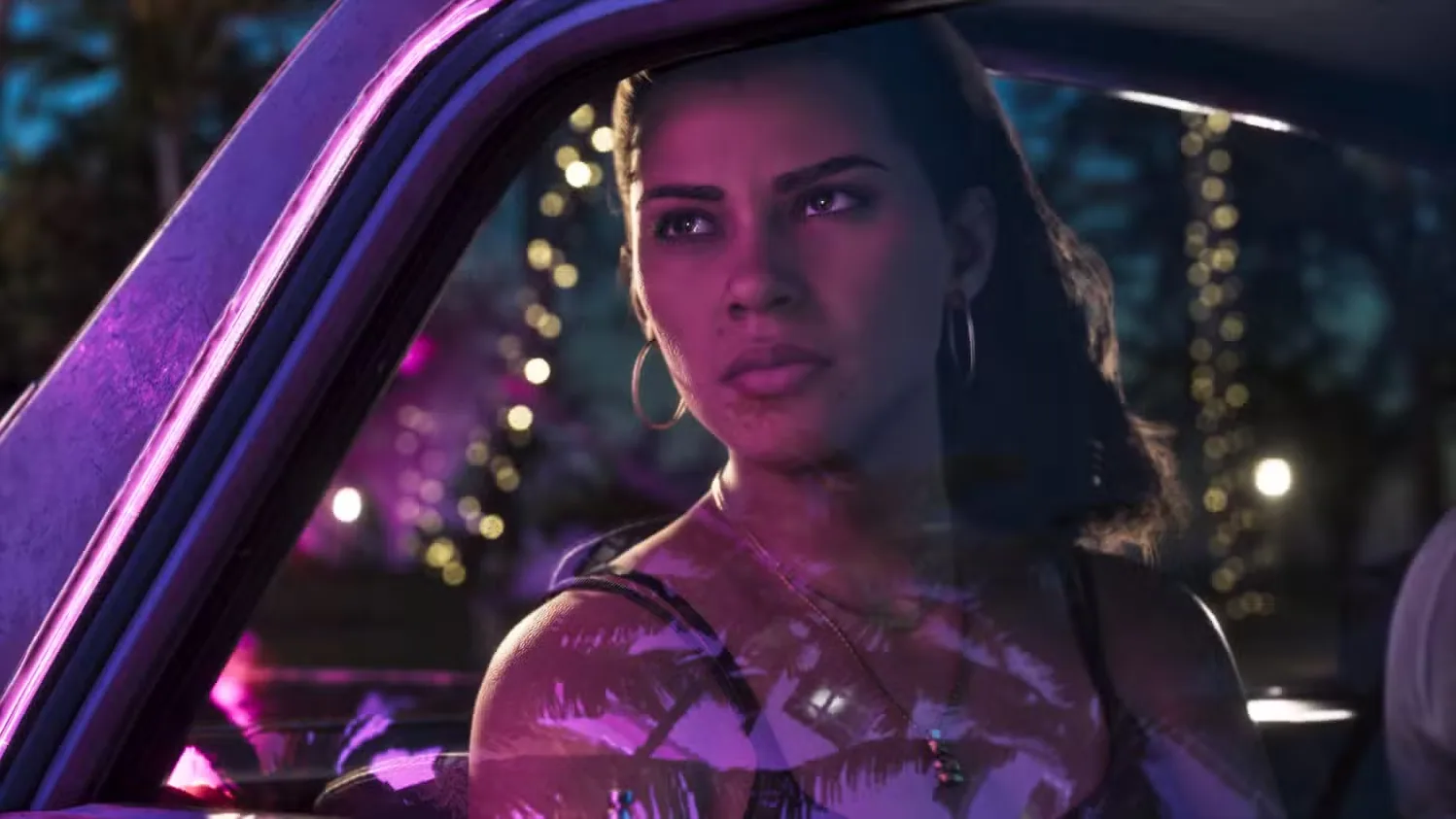
A Twofold Leap in Density and Variety
Rockstar has confirmed that GTA6 contains more than 600,000 animations, roughly 11 times as many as GTA5 and twice as many as Red Dead Redemption 2. A dedicated team in Los Angeles art-directs every NPC, designing everything from stance and drinking habits to the marks they leave on tables.
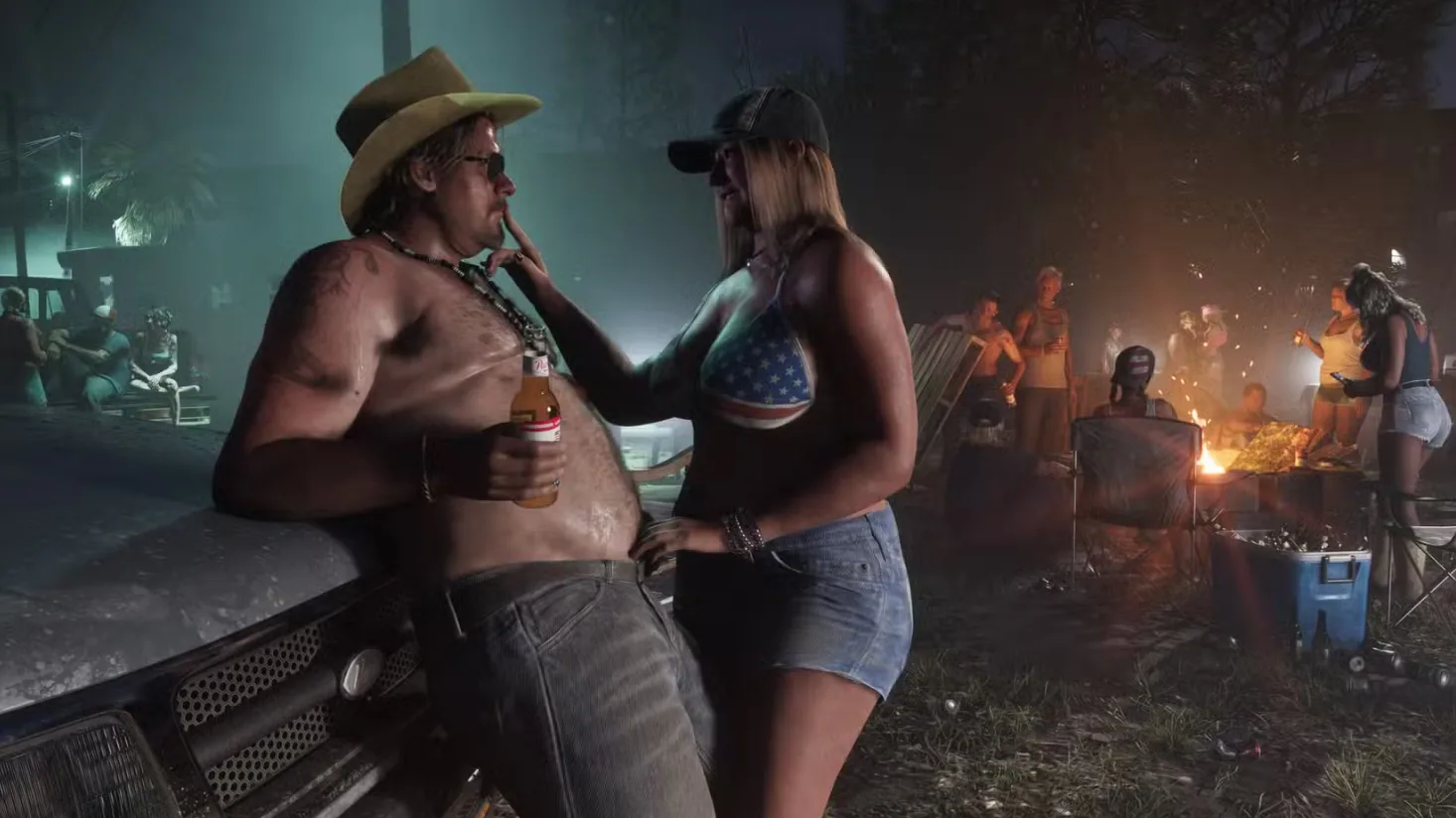
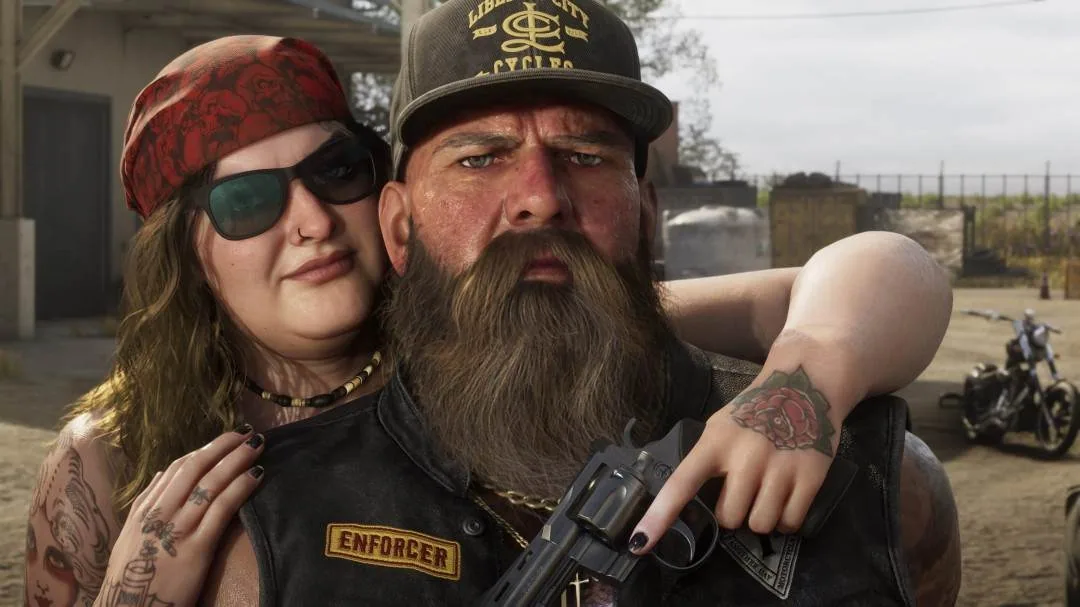
Appearance and body-type variety matter even more:
- Different heights, builds, ages, tattoos, piercings, and cosmetic surgery all coexist.
- Animations can be retargeted in real time, so characters of different builds line up naturally when interacting, fighting, or riding in cars.
- Regional differences are pronounced: residents of Little Cuba and passersby near Mount Kalaga differ sharply in dress and bearing.
The dense crowds on beaches, in nightclubs, and on the streets are no longer simple animation loops, but “real pedestrians” with individual traits.
A Clear Upgrade in Behavioral Reactions
In an interview, Rob Nelson stated plainly that the player is no longer “the only one with a license for violence.” NPC reactions are far more multi-dimensional:
- Reaction to weapons: openly carrying a gun makes passersby panic, call the police, or move away rather than stand still.
- Being watched and followed: stare at or tail an NPC for too long and they may notice and react, with some leaving and others turning hostile.
- Escalating conflict: some NPCs do more than flee, they may fight back or step in.
- Environmental awareness: weather, time of day, and nearby events affect dialogue and behavior.
- Group interaction: pedestrians hold natural conversations, trade gestures, and even comment on events unfolding around them.
These reactions raise the cost of “messing around in the street” considerably; the world no longer bends to the player’s every whim.

Memory and Recognition Systems
Police and some NPCs have basic recognition abilities:
- Police log appearance, clothing, and vehicles, and even whether the two protagonists are traveling together.
- Changing clothes, switching cars, and splitting up become effective ways to escape.
- The Criminal Profile accumulates the player’s behavioral style, shaping how the world treats the character over the long term.
Not every passerby carries a complete long-term memory, but short-term impressions in local areas are already enough to make repeat crime more dangerous.
Tied Deeply Into Gameplay
| Behavior Scene | Common Reaction in Older Games | What GTA6 Changes |
|---|---|---|
| Openly Carrying a Gun | Mostly fled or ignored it | Fear, police calls, moving away, or confrontation |
| Street Conflict | Passersby scattered quickly | May watch, film, intervene, or call the police |
| Stalking / Staring | Little to no reaction | Notices and reacts (leaves or turns hostile) |
| Repeat Crime in an Area | Limited impact | Local wariness rises and police descriptions get more accurate |
| Everyday Interaction | Looping canned lines | Richer contextual dialogue and gestures |
The dual-protagonist design amplifies these reactions further: the world may recognize and treat the two differently depending on whether they travel together or act alone.
Technical Foundation and Design Intent
The high-density, realistic AI rests on:
- Layered simulation (detailed up close, simplified at a distance)
- Real-time animation retargeting
- A large volume of handcrafted animations and behavior trees
- Integration with the wanted and Criminal Profile systems
Rockstar’s goal is clear: make players feel they are not the only ones capable of violence, which raises tension and gives every decision more weight. The world is no longer a playground backdrop, but an environment that watches, reacts, and remembers.

Compared With Previous Games
GTA5’s pedestrians were mostly atmosphere tools; Red Dead Redemption 2 introduced a stronger memory and emotion system; GTA6 combines both in dense urban settings and pushes appearance variety and real-time reactions further. The result: a beach is no longer just crowded, but filled with people whose attitude changes based on what you do.
Summary
GTA6’s NPC AI upgrades center on dense, varied crowds, realistic context-driven reactions, basic recognition and memory, and integration with the crime system. It turns Leonida from a destructible sandbox into a living world that answers back.
After launch, players will genuinely feel the difference: drawing a gun on a Vice City street will no longer be just a visual thrill but will instantly change how the crowd around you behaves; tailing a passerby may earn you hostility; repeat crime will make a neighborhood warier. Together these details form an important part of GTA6’s immersion. On November 19, 2026, this NPC system, which the studio calls the most complex in the series’ history, faces its players.