Guides · Story
GTA6 vs Red Dead Redemption 2: Inheritance and Evolution in Rockstar's Open Worlds
Red Dead Redemption 2 (RDR2) launched in 2018 and is widely regarded as the peak of Rockstar's open-world design. Eight years later, GTA6, the studio's next flagship, clearly inherits and extends many of RDR2's ideas in map scale, world reactivity, character systems, and narrative structure. Below is a comparison across several dimensions.
On this page
Red Dead Redemption 2 (RDR2) launched in 2018 and is widely regarded as the peak of Rockstar’s open-world design. Eight years later, GTA6, the studio’s next flagship, clearly inherits and extends many of RDR2’s ideas in map scale, world reactivity, character systems, and narrative structure. Below is a comparison across several dimensions.
1. Map Scale and World Density
The studio has confirmed that GTA6’s map is about three times the size of RDR2’s playable area and roughly twice that of GTA5. Vice City alone is close to twice the size of Los Santos.
| Item | Red Dead Redemption 2 | GTA6 |
|---|---|---|
| Map Size | About 75 km² (estimated) | Roughly three times RDR2 |
| Main Environments | Western wilderness, Saint Denis | Modern Florida (city + swamp + keys) |
| Population Density | Sparse, frontier feel | Dense cities alongside sparse countryside |
| NPC Animations | About 300,000 | More than 600,000 |
RDR2 used a vast, empty frontier to create a sense of solitude and epic scale; GTA6 aims for “the biggest, deepest, most densely populated, most complex world.” Both emphasize that every corner is carefully designed rather than chasing raw area.
2. World Reactivity and Immersion
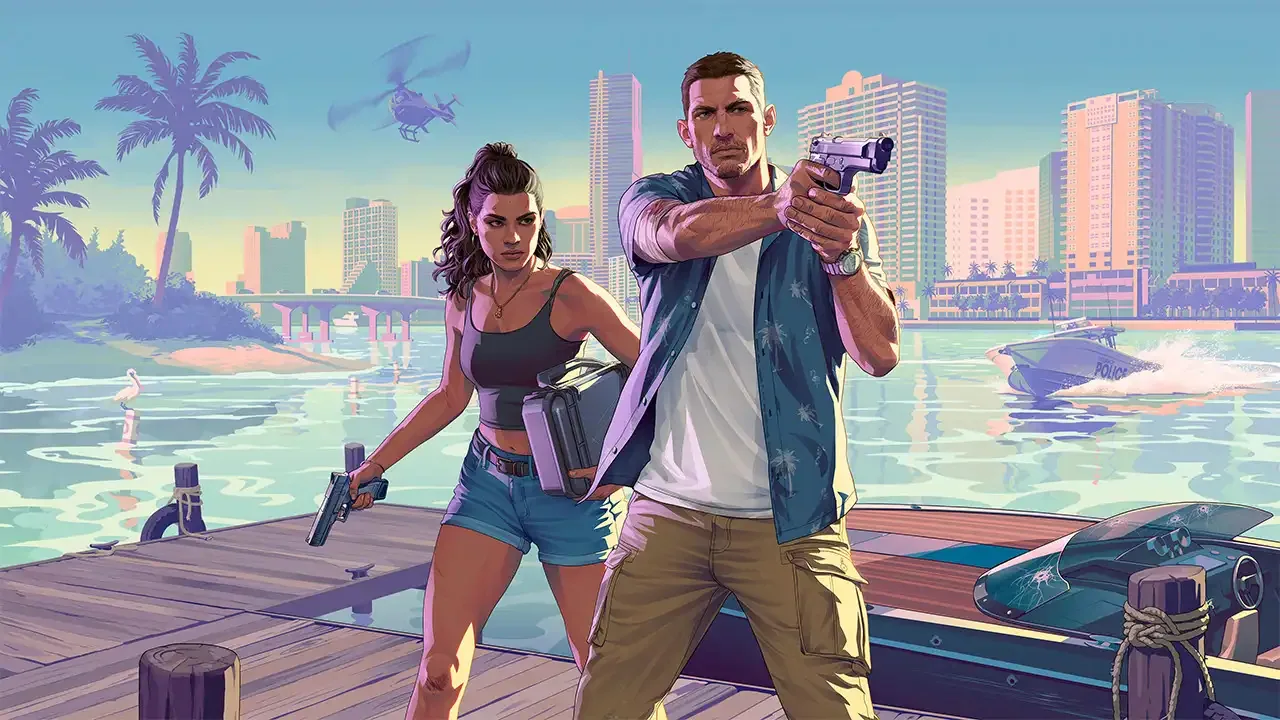
RDR2’s biggest breakthrough was the world’s sense of being alive: NPCs remember what the player does, react to drawn weapons, and keep daily routines.
GTA6 inherits and amplifies that idea directly:
- Carrying a gun gets noticed: openly carrying a rifle makes passersby flee, comment, or call the police.
- Greet / Antagonize system: players can interact with passersby, provoke them, or calm them down, with richer reactions.
- Upgraded wanted system: a crime has to be witnessed or trigger an alarm, and police track appearance, clothing, and vehicle, similar to RDR2’s witness-plus-bounty logic.
- Criminal Profile: seen as a modern take on RDR2’s honor system, recording the player’s criminal style and daily behavior.
Rob Nelson, co-head of Rockstar North, said plainly that GTA6 is the result of “continuing to push the complexity of the world” on the foundation RDR2 built.
3. Characters and Body Systems
RDR2 introduced weight, beard growth, and fatigue as physical changes. GTA6 modernizes that system across the board:
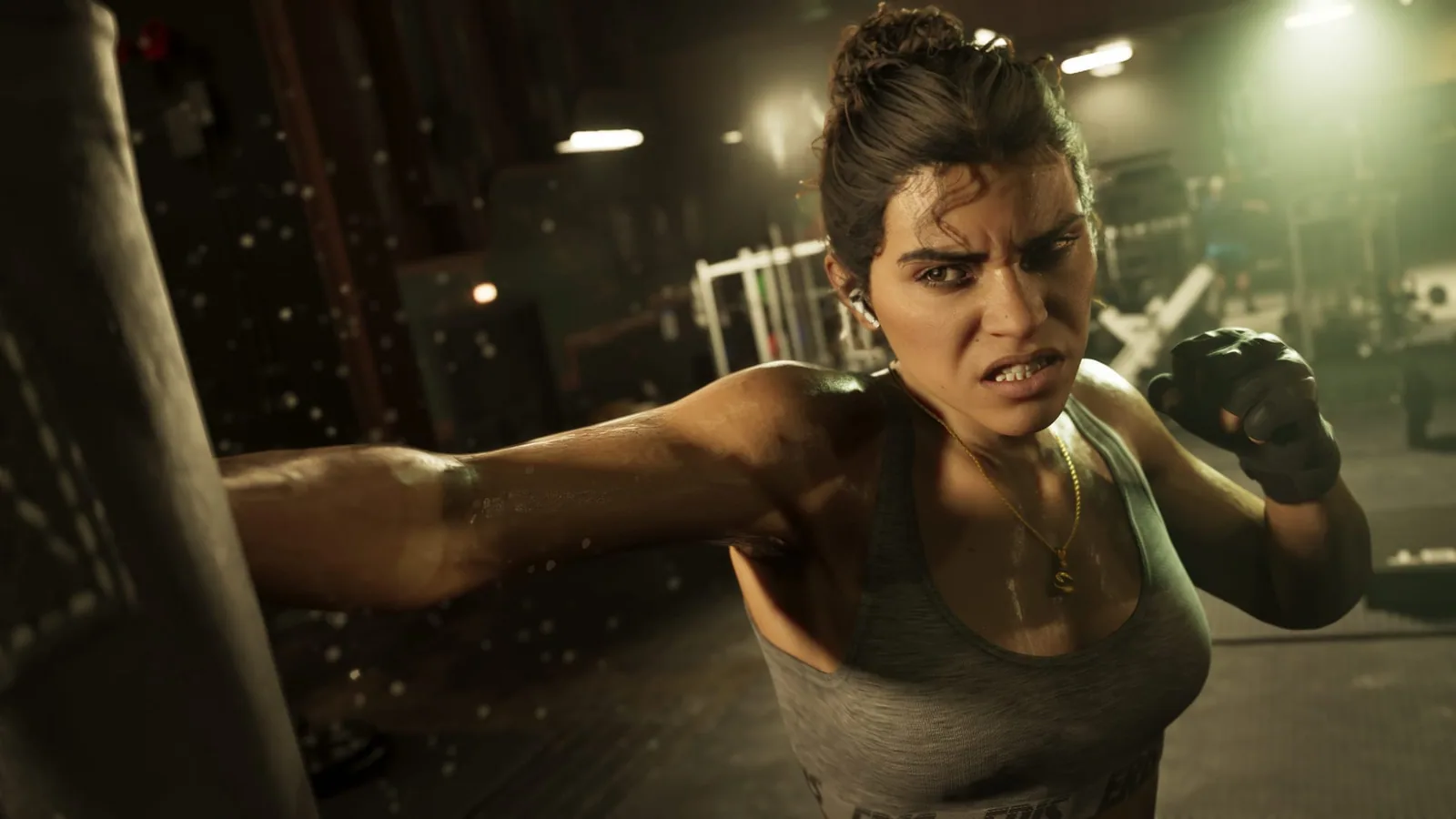
- Diet affects weight, and working out builds muscle.
- Long manhunts or late nights leave a character looking exhausted.
- Clothing picks up stains and wrinkles based on physical state and environment.
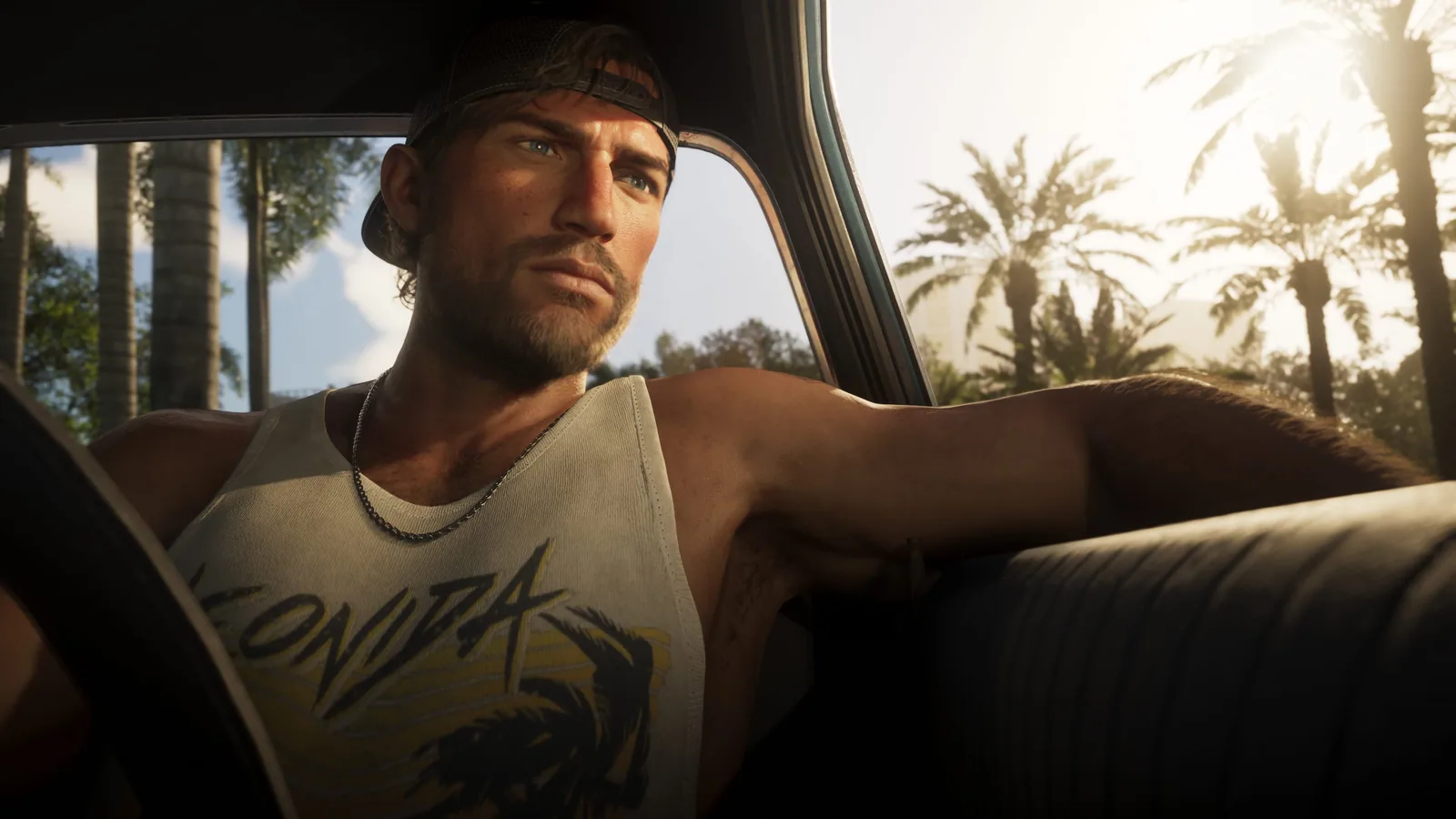
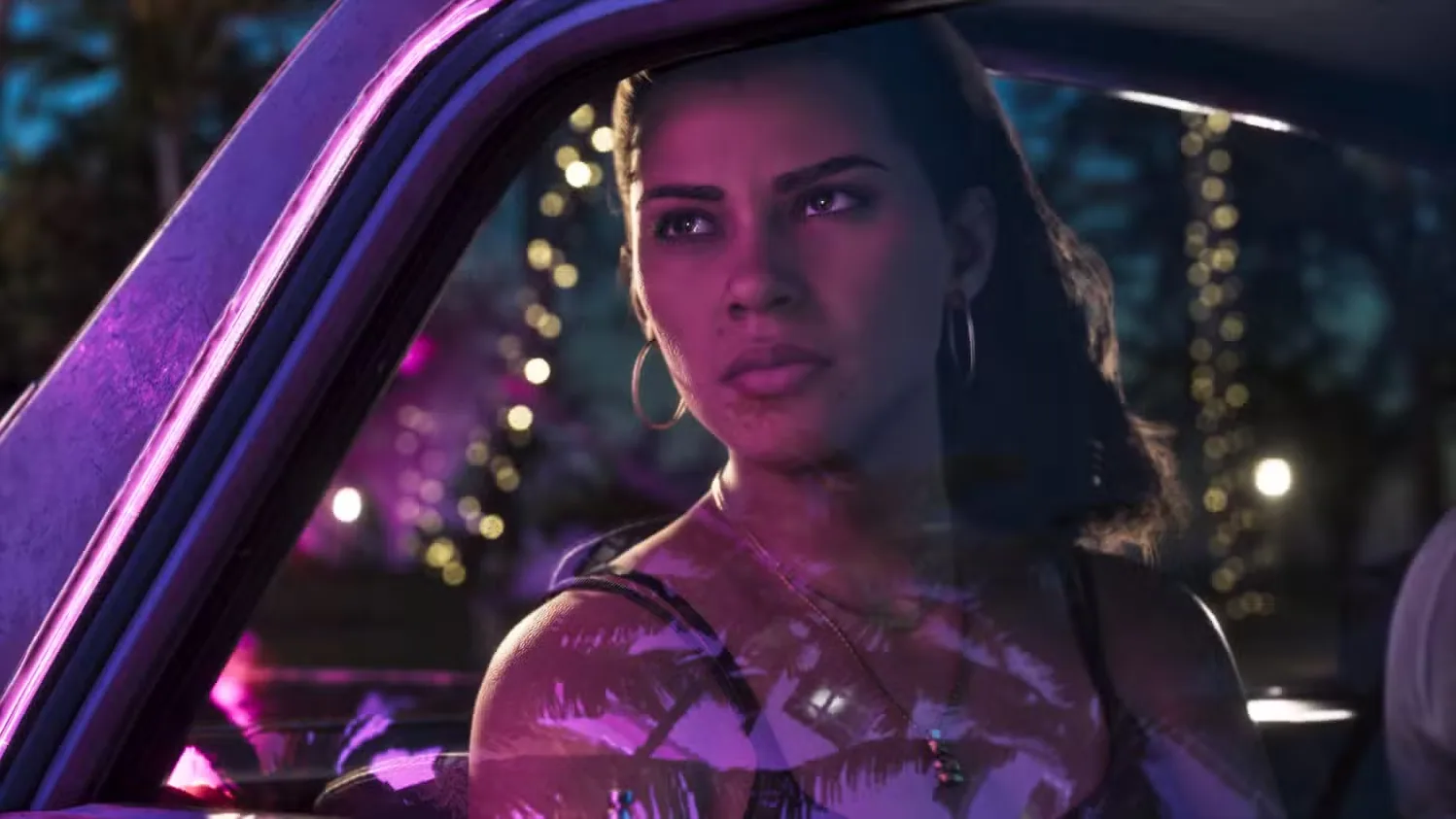
GTA6 also adds a two-protagonist Bond System, an entirely new dimension RDR2 did not have: players can actively manage the intimacy between Jason and Lucia, which affects everyday interactions and parts of the story.
4. Narrative Structure
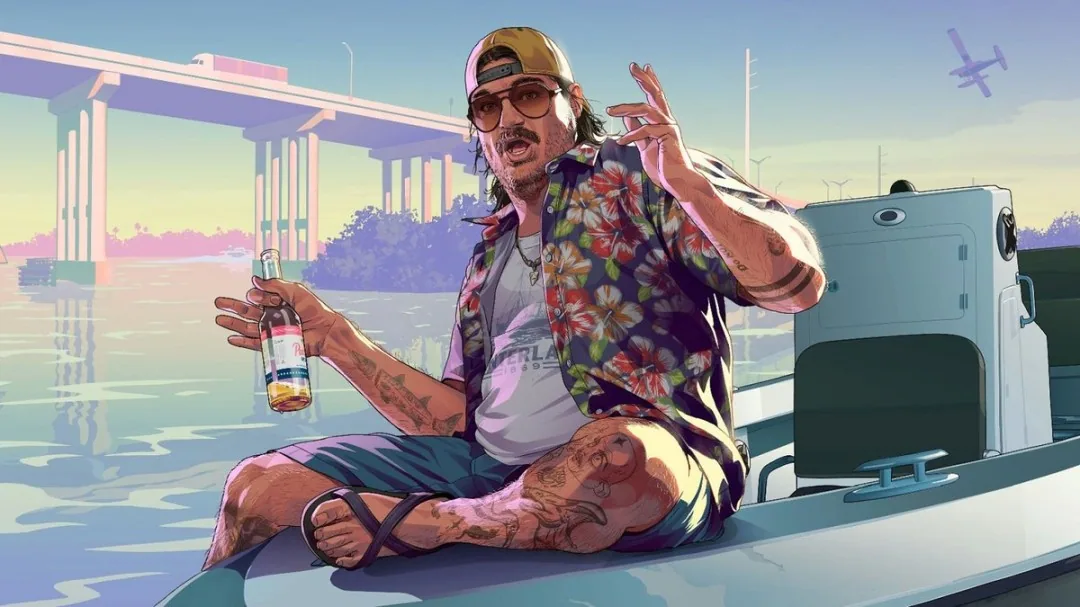
RDR2 told its story in chapters, shifting camp locations and world states over time. GTA6 brings a similar chapter structure to the GTA series for the first time, with official descriptions referring to “chapters spanning the story of Jason and Lucia.” That gives the pacing and the world changes more layers than the traditional linear GTA mission flow.
On main-story length, developers say a full run through the main story plus some optional content takes about 80 hours, close to RDR2’s volume.
5. Blending Gameplay Styles
| Dimension | Red Dead Redemption 2 | GTA6 (Expected) |
|---|---|---|
| Pacing | Slow, immersive, detail-focused | Between RDR2’s immersion and GTA5’s chaos |
| Combat | Realistic, Dead Eye slow motion | Keeps a similar slow-motion mechanic while emphasizing modern gunplay |
| Exploration Rewards | Strong, with abundant random events | Emphasizes emergent discovery, less reliance on map icons |
| Economy | Hunting, skinning, selling | More realistic fencing, damaged vehicles lose value, money matters more |
GTA6 does not copy RDR2’s slow pacing wholesale; it tries to keep deep world simulation inside a modern urban crime story while preserving GTA’s signature chaos and satire.
6. Technology and Engine
Both run on the RAGE engine. GTA6 runs on next-gen consoles with higher visual fidelity, more complex physics and lighting, and far more NPC density and animation than RDR2. RDR2 pushed last-generation hardware to its limit; GTA6 pushes further on much more capable platforms.
Summary: Evolution Through Inheritance
GTA6 can be seen as a continuation and amplification of RDR2’s open-world philosophy in a modern urban setting:
- Inherited: world reactivity, body simulation, witness logic, chapter-based storytelling, high-density detail.
- Evolved: a map three times larger, the two-protagonist bond system, modern crime and wanted mechanics, denser city population and animation.
- Different: pacing leans toward GTA’s freedom and chaos, and the theme shifts from a Western epic to contemporary crime and social-media satire.
If RDR2 proved Rockstar could create a living world across a vast frontier, GTA6’s goal is to repeat and surpass that feat in a denser, more modern, noisier environment. After launch, players will see for themselves what happens when RDR2’s immersion collides with GTA’s chaos and satire.