Guides · Crime & Wanted
GTA6 Properties and Safehouses: A Home on the Move and a Base for the Story
GTA6's safehouse system works noticeably differently from earlier entries in the series. Because Jason and Lucia's story is built on being on the run and constantly moving, residential safehouses are not fixed assets you can buy at will in the traditional sense. Instead they unlock automatically as the story progresses, closer to the camp model of Red Dead Redemption 2. Functional properties such as garages, however, retain some room for acquisition and use.
On this page
GTA6’s safehouse system works noticeably differently from earlier entries in the series. Because Jason and Lucia’s story is built on being on the run and constantly moving, residential safehouses are not fixed assets you can buy at will in the traditional sense. Instead they unlock automatically as the story progresses, closer to the camp model of Red Dead Redemption 2. Functional properties such as garages, however, retain some room for acquisition and use.
Confirmed Safehouses
The safehouses that appear explicitly in official material so far include:
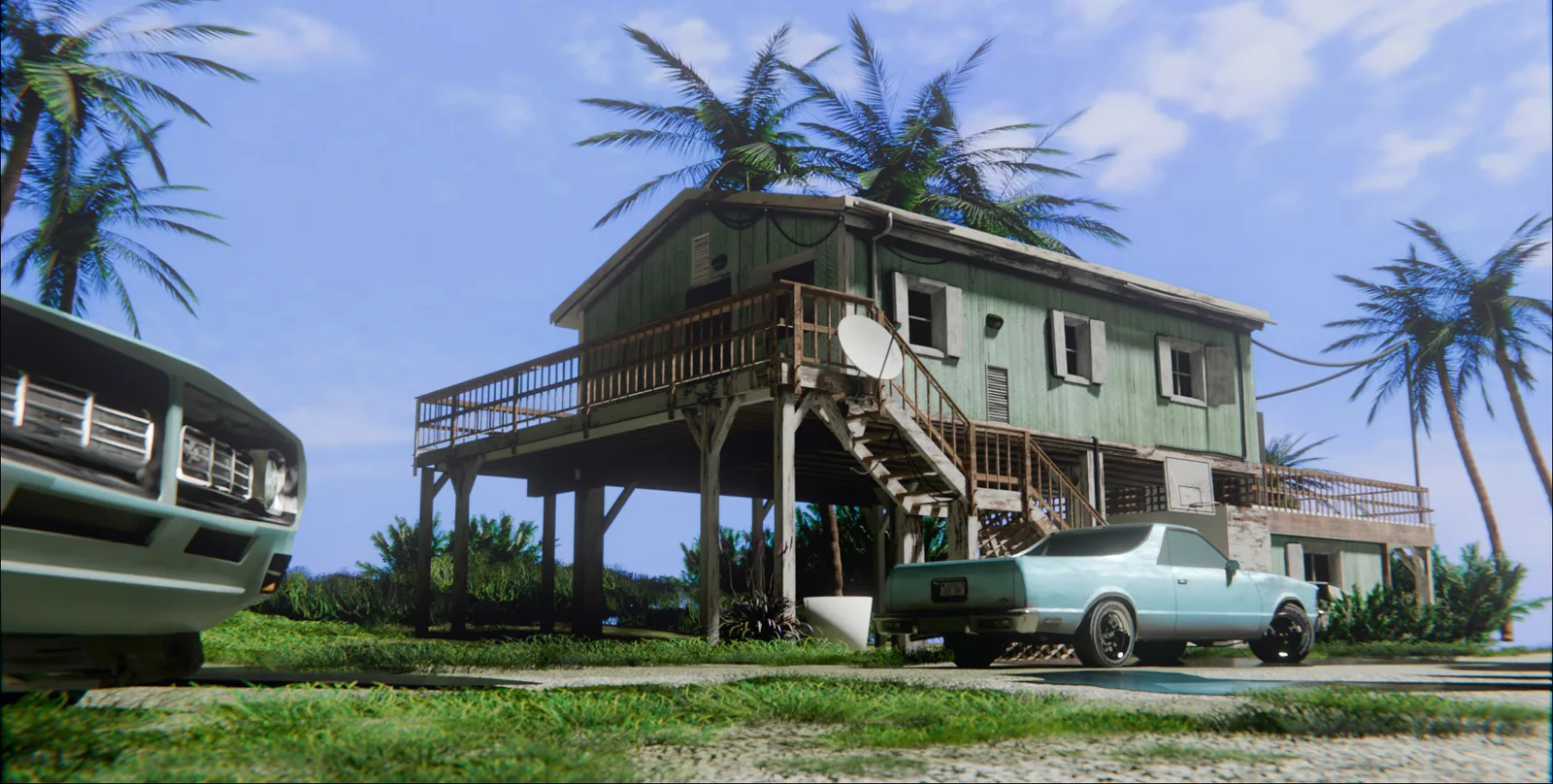
- Leonida Keys safehouse: Jason’s starting home, located in the Keys. The house belongs to smuggler Brian Heder, and Jason earns free lodging by helping collect debts, among other jobs. Trailers show him patching a leak on the roof, a moment steeped in everyday life. Lucia moves in after her release from prison, making it the pair’s first shared base.
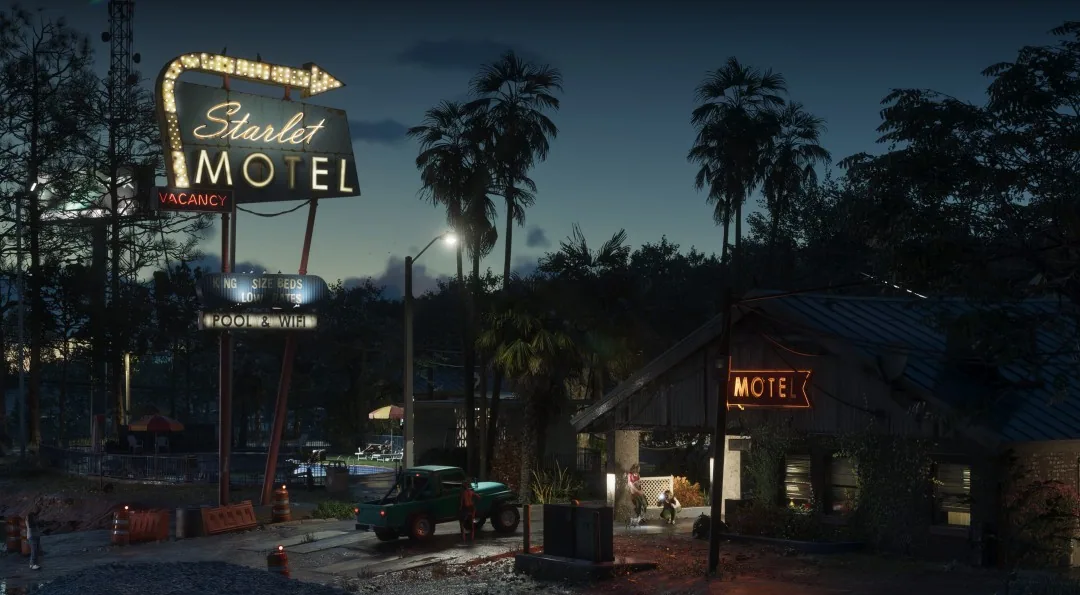
- Starlet Motel: Located in Port Gellhorn, where the two deliver the famous “Trust?” exchange in the first trailer. As a motel-style safehouse, it captures the idea of a temporary stop while on the run.
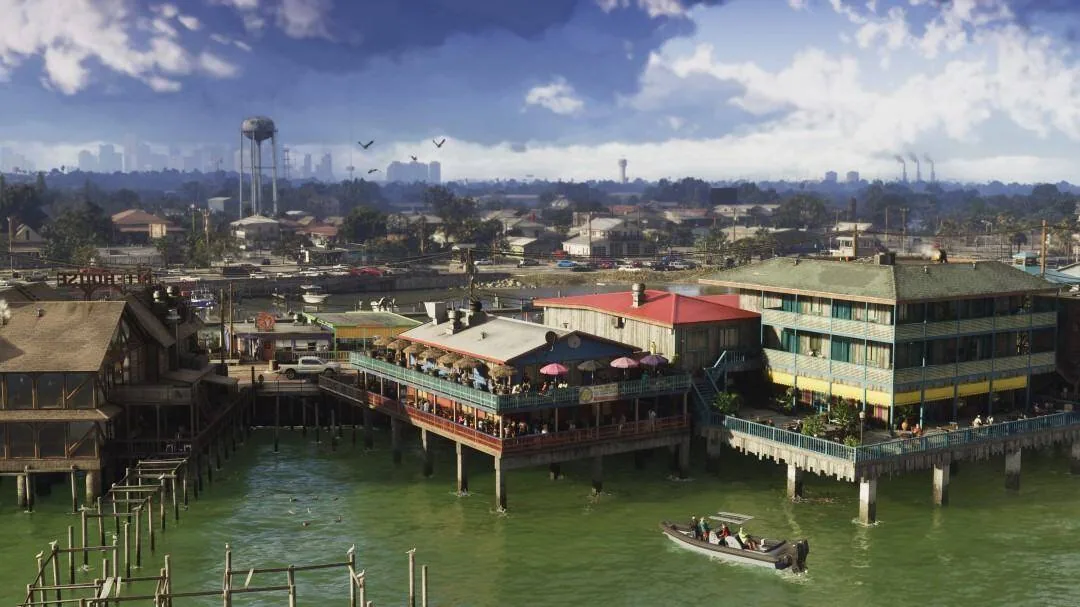
- Bayside area safehouse: Appears in the Extended Look. Domestic in style, it may be tied to Lucia or be a residence unlocked later in the game.
Functional garages have also been confirmed, including the Shore Court garage (a pre-order bonus) and Paradise Garage (Ultimate Edition exclusive), used for storing vehicles.
Deeply Interactive Safehouses
Safehouses are no longer just save points but living spaces with deep interaction:
- Food and supplies: Open the fridge to choose from beer, smoothies, protein powder and more, some of which grant temporary stat boosts.
- Rest and appearance management: Sleep to recover, and trim or shave existing hair and facial hair at home (full haircuts still require a salon).
- Entertainment: Watch TV, switch channels and sit through in-game commercials.
- Outfits and preparation: Store multiple outfits for quick changes before heading out, or to build a disguise for a job.
- Shared routines: Both characters can move around the house at once, one changing clothes while the other watches TV, reinforcing the sense of daily life and the relationship.
These interactions make each safehouse an extension of the characters’ real lives rather than a bare function menu.
Tied Tightly to the Story
Rockstar has made clear that the safehouse design serves the always-on-the-run arc of the story. Homes do not work as they did in GTA5, where players could buy up a stack of properties and collect rent. Instead they:
- Unlock new places to stay as the story unfolds
- Reflect the characters’ current circumstances, from a bare-bones Keys shack to possibly more upscale addresses later
- Can be visited by other characters, adding a sense of motion
The approach avoids the dissonance of settling down the moment you have money, keeping the tension and momentum of a fugitive narrative intact.

Garages and Functional Properties
While residential safehouses are mainly story unlocks, functional spaces such as garages can still be acquired:
- Some garages are pre-order or edition exclusives
- Can hold vehicles, weapons and spare outfits
- Tie into vehicle customization and escape planning
Through garages, players can still manage their mobile assets and keep a measure of control while constantly on the move.
Cross-System Integration
| Function | In Practice | Linked Systems |
|---|---|---|
| Rest and recovery | Sleeping, eating | Physique, condition, stat boosts |
| Appearance | Changing outfits, trimming hair | Wanted identification, relationship interactions |
| Storage | Outfits, weapons, vehicles | Job preparation, escape strategy |
| Daily interaction | Watching TV, paired activities | Relationship system, immersion |
| Story progression | New residences unlocked with the story | Narrative pacing, character growth |
Safehouses thus become the hub linking life simulation, tactical preparation and story progress.
Why It Matters
The reworked safehouse system reflects Rockstar’s commitment to keeping the characters perpetually in motion. Players are not handed a stable mansion early on in a way that would blunt the tension of being on the run; instead they pick up new places to stay step by step as the story advances. The high level of interaction offsets the lack of property buying, filling each safehouse with traces of daily life.
It also strengthens the sense of a shared life between the two leads: the pair share a roof and a routine, and everything from the drinks in the fridge to the commercials on TV becomes a small footnote to their relationship.
The Bottom Line
Properties and safehouses in GTA6 center on story-unlocked, mobile residences, supported by deeply interactive domestic features and functional garages. Locations such as the starting shack in the Leonida Keys and the Starlet Motel are confirmed, and players can eat, rest, change clothes and watch TV in them, getting a feel for the characters’ everyday lives. Homes cannot be bought at will, but that is precisely what makes each safehouse serve the on-the-run storyline more tightly.
After launch, players will push open the door of that Keys shack for real, pick a drink from the fridge alongside Lucia, or catch their breath in a motel between escapes. Together these spaces form the temporary definition of home in GTA6. On November 19, 2026, Leonida’s safehouses will become a shared base for players and characters alike as the story unfolds.