Guides · Crime & Wanted
GTA6 Witness System: The Real Consequences of Being Seen
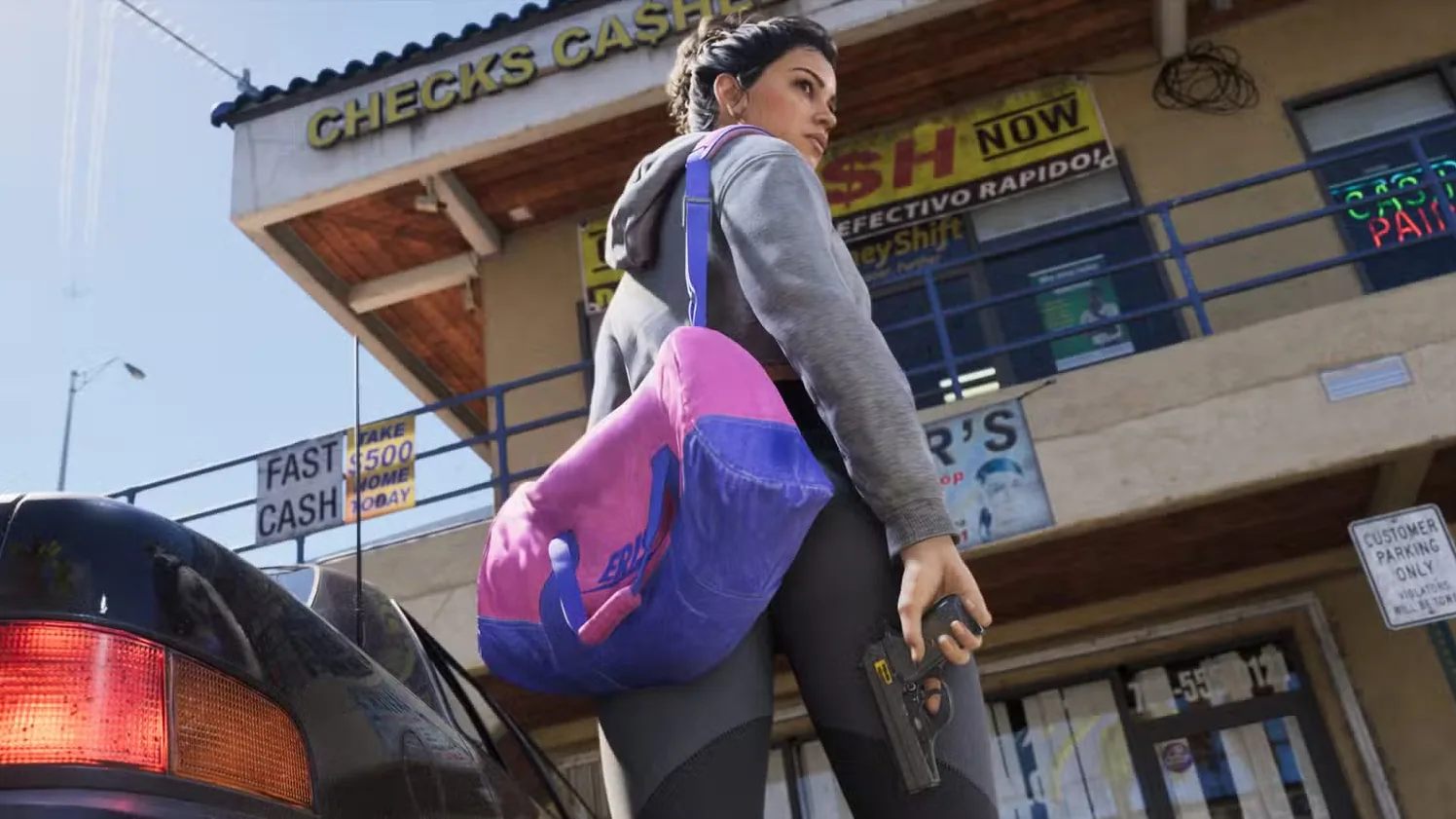
GTA6's witness system is at the heart of the upgraded wanted mechanics. It is no longer a simple “commit a crime, get reported” trigger; someone has to see it, or a camera has to catch it, before the police get involved. That gives stealth, disguise, splitting up and destroying evidence real meaning, and it brings every crime closer to a real-world calculation of risk.
On this page
GTA6’s witness system is at the heart of the upgraded wanted mechanics. It is no longer a simple “commit a crime, get reported” trigger; someone has to see it, or a camera has to catch it, before the police get involved. That gives stealth, disguise, splitting up and destroying evidence real meaning, and it brings every crime closer to a real-world calculation of risk.
How Crimes Get Reported
Rockstar North co-head Rob Nelson said plainly:
“GTA6’s wanted system requires that someone witnesses the crime, or that an alarm is triggered, before it is reported to the police.”
This means:
- A crime nobody sees, with no alarm and no camera, may not generate a wanted level for the time being.
- Bystanders, shop clerks, customers and security guards can all become witnesses.
- Surveillance cameras (CCTV) can provide evidence on their own.
- A triggered alarm also notifies the police directly.
Witnesses are no longer ignorable background; they are the key variable that decides whether the police know what you did.
What the Police Know: The HUD Icon System
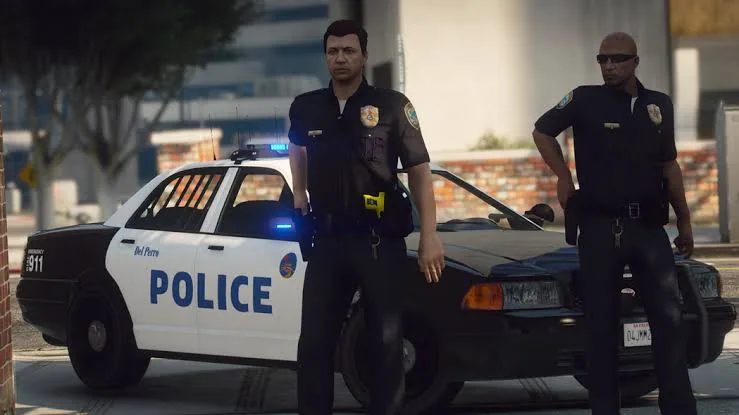
Once a crime is reported, the police gradually build up a description of the suspect from what witnesses saw or the cameras recorded. The game displays that information as red icons beneath the wanted stars:
| Icon | What the Police Know | Counter |
|---|---|---|
| Figure outline | Appearance description (facial features) | Wear a mask, change hairstyle or facial marks |
| Coat hanger | Your current clothing | Change your entire outfit |
| Camera | CCTV footage | Avoid the lens, destroy the relevant evidence |
| Vehicle | The vehicle you are using | Ditch the car, switch vehicles |
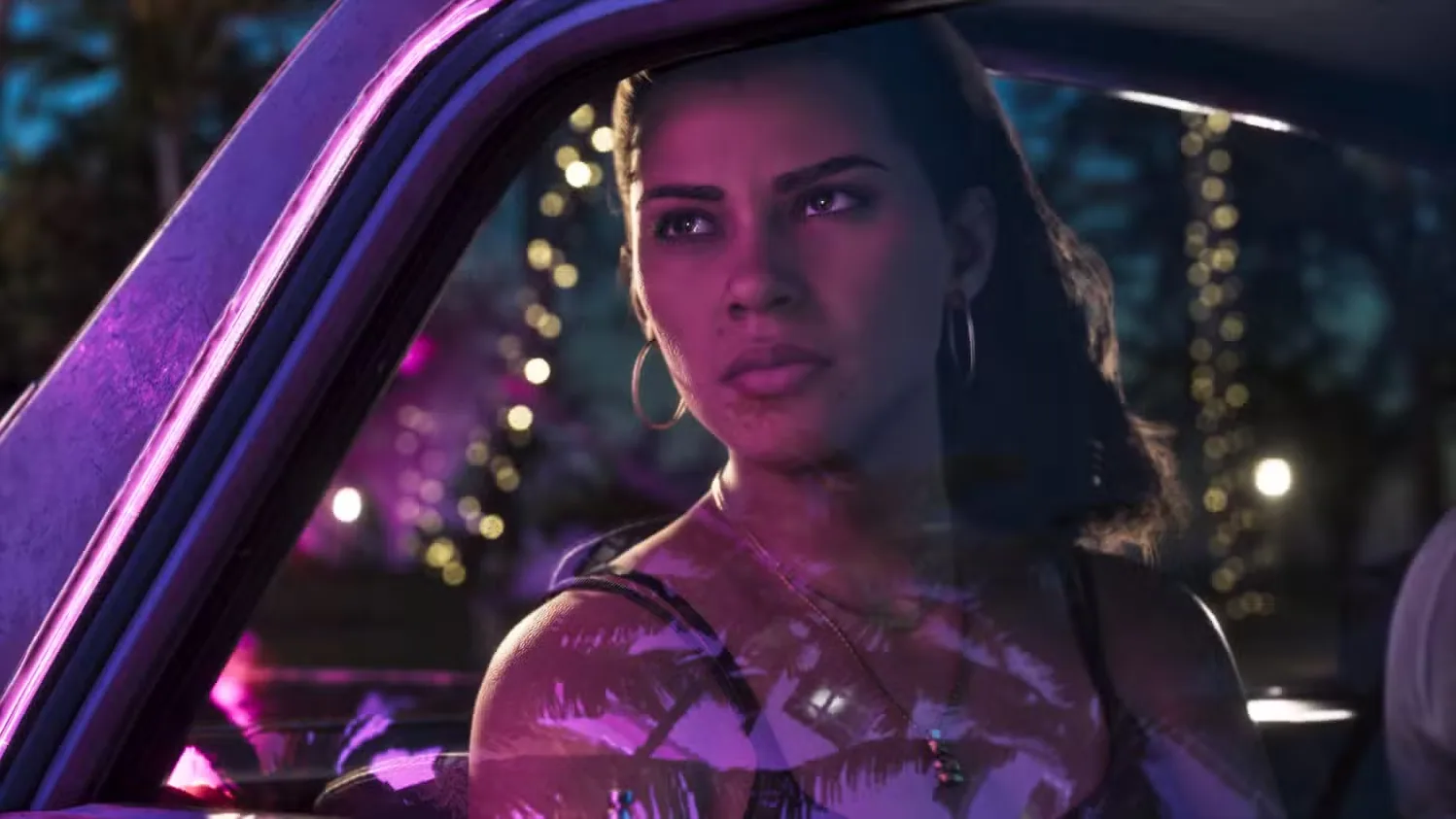
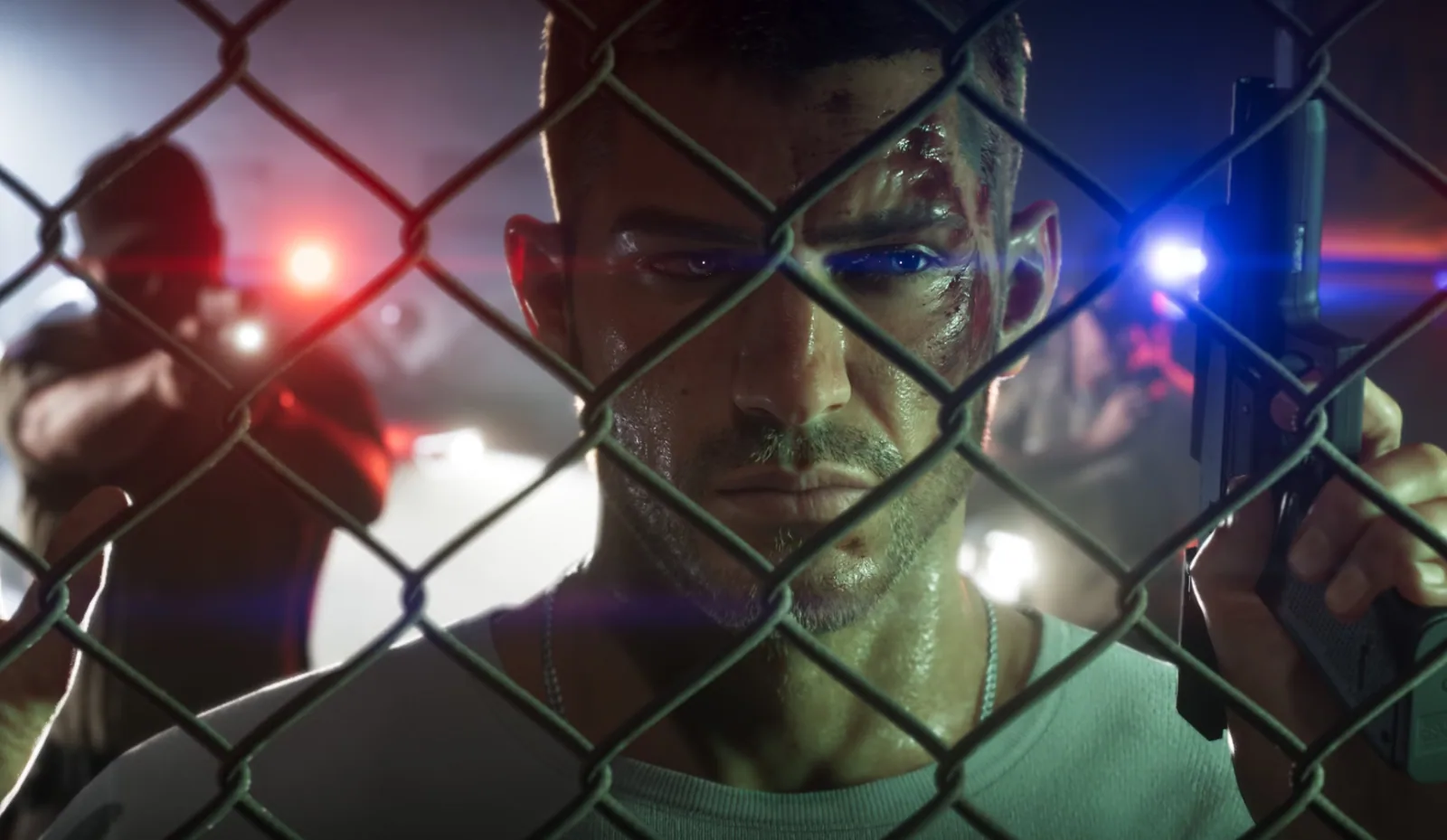
| Two people | Jason and Lucia are together | Split up |
| Weapon | The specific weapon used | Drop or swap the weapon |
The more icons there are, the more precisely the police can identify you. Players can erase that information one item at a time with targeted actions, lowering the risk of being tracked continuously.
How Witnesses and Cameras Actually Affect You
- Bystander witnesses: they may call the police, run off, or even livestream from their phones. Staring or following for too long can also raise suspicion.
- Surveillance: high-value targets (jewelry stores, banks) usually have cameras. Being caught on film adds the “camera” icon directly.
- Area heat: a “hot zone” forms near the crime scene. Even if you shake the police for now, going back to that area can re-trigger the wanted level.
- Hollow stars: when police know a crime happened but have no specific description, the stars may display as hollow, and you still have a chance to walk past an officer without being identified immediately.
Escaping and Lowering Your Wanted Level
Hands-on demos and official statements show that effective ways to lower a wanted level include:
-
Change clothes: the trunk can hold spare outfits for a fast change.
-
Change your appearance: a hat, glasses or a new hairstyle can partly defeat an appearance description.
-
Ditch the car and switch: a flagged vehicle has to be abandoned as soon as possible.
-
Split up: when police know two people are traveling together, separating immediately lowers their identification priority.
-
Wear a mask: masking up before a crime greatly reduces how much appearance information leaks.
-
Leave the hot zone and wait: let the area heat cool off naturally.
Simply “hiding in an alley and circling for a while” is no longer enough; players have to actively counter the specific information the police hold.

Ties to the Criminal Profile
The witness system works hand in hand with the Criminal Profile. Crimes that are efficient, spare innocent lives and lean on disguise build a more “professional” rating; indiscriminate violence and repeated clear sightings push the profile toward the extreme end. The world’s long-term attitude toward the character shifts accordingly.
What the Design Means
The witness system shifts crime in GTA6 from instant gratification to decisions with consequences. Before acting, players have to weigh:
- Are there any witnesses?
- Are there any cameras?
- Could my clothes and vehicle become evidence?
- Does moving as a pair raise the risk?
It greatly increases the value of stealth and planning, and it gives the two-protagonist setup a new tactical dimension: one drawing attention while the other hits the objective, or splitting up afterwards to shake pursuit.
Summary
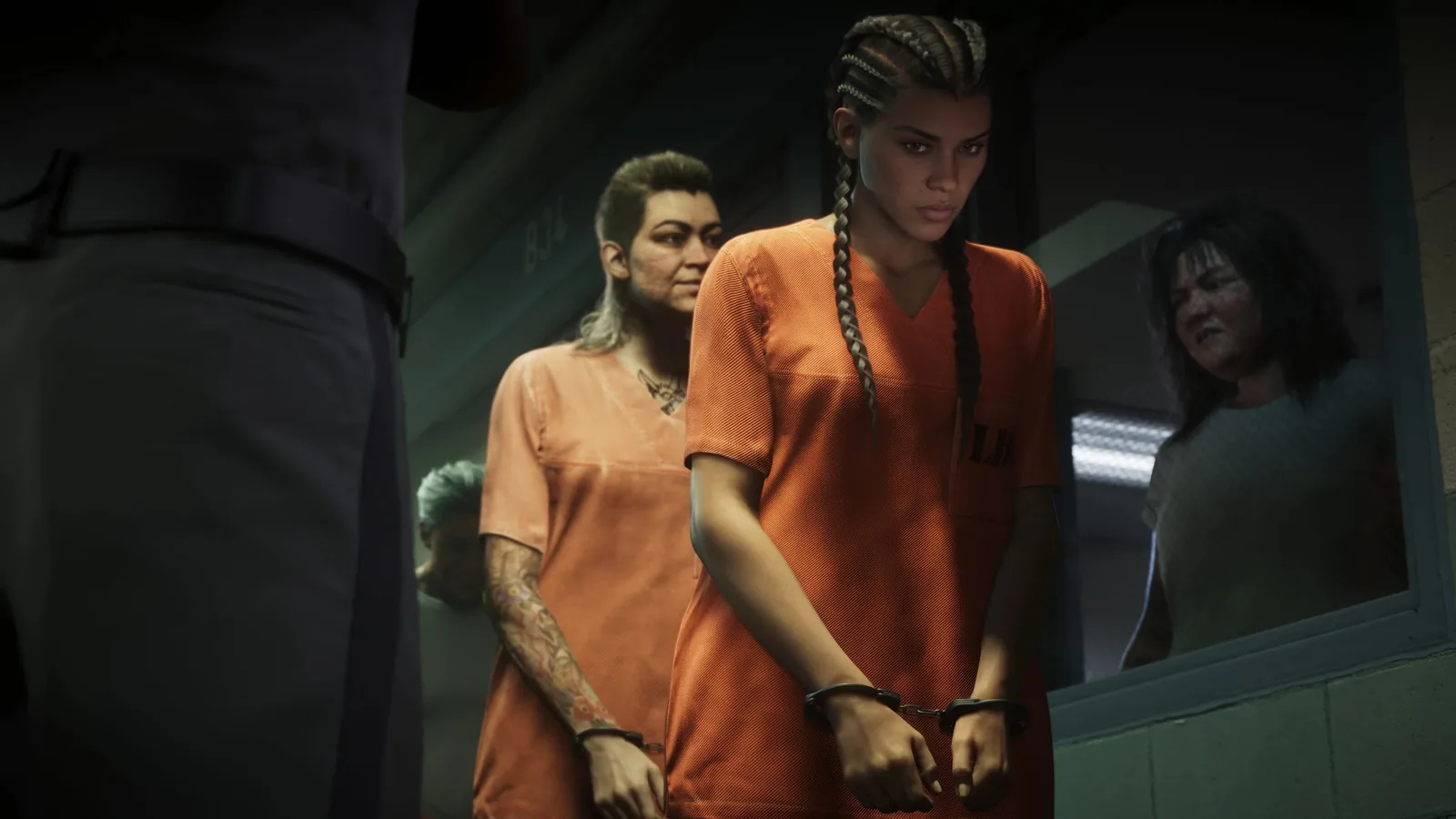
GTA6’s witness system is built on the rule that a crime is only reported if it is seen or recorded, and it pairs that with multi-layered identification icons covering appearance, clothing, vehicle, companions and surveillance, producing the most detailed wanted-and-escape mechanics the series has had. It turns every crime into an information battle: you have to pull off the job while leaving as few traceable marks as possible.
After launch, players will genuinely feel it: in Leonida, crime is no longer just button presses and gunfire, but an ongoing contest against witnesses, cameras and police memory. On November 19, 2026, the system will officially change how players understand being wanted.