Guides · World
GTA6's Vice City Setting: Sunshine and Shadow in a Modern Leonida
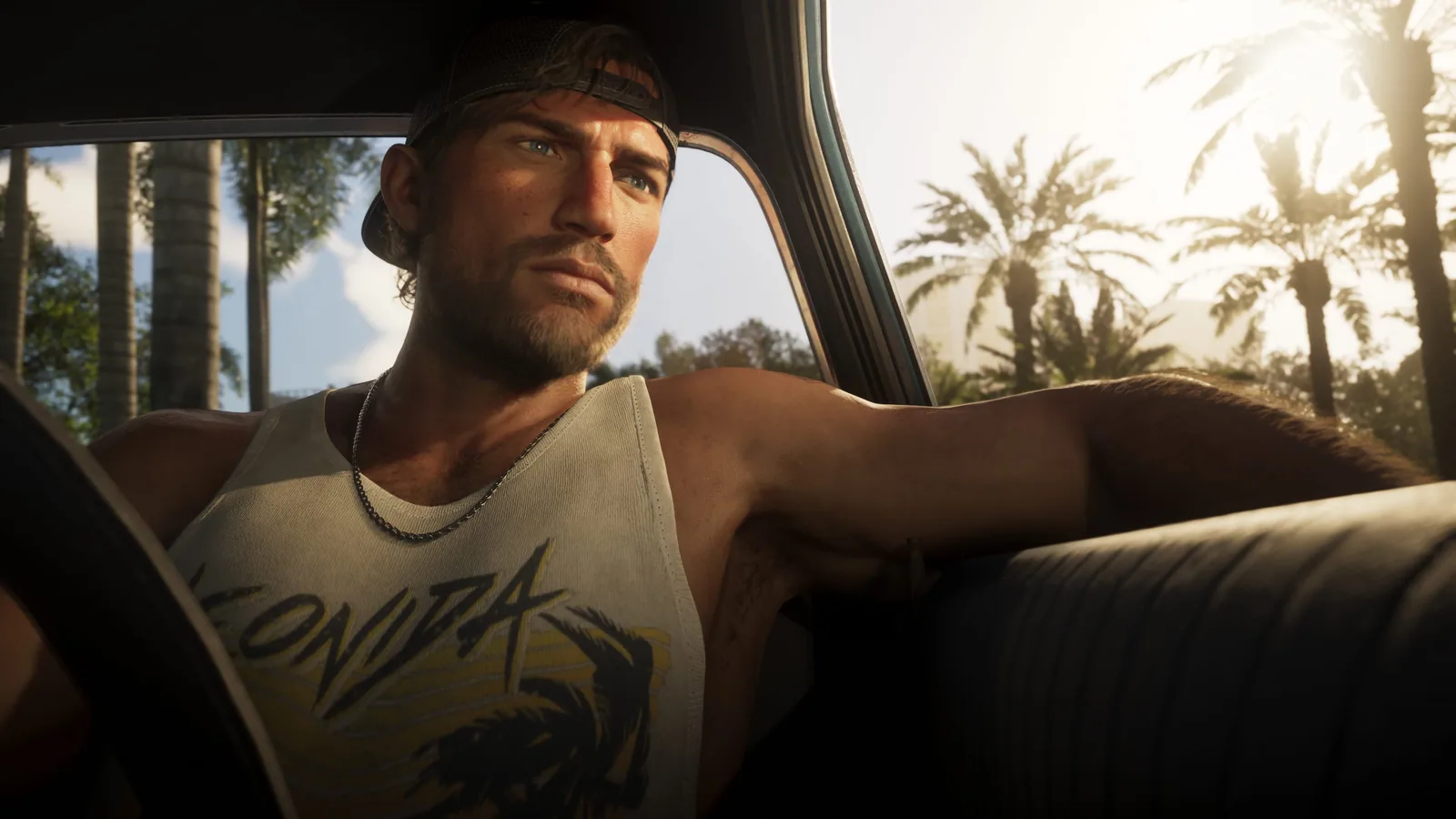
GTA6 marks the series' official return to its classic stage, Vice City. Unlike the neon-soaked 1980s version of 2002's Grand Theft Auto: Vice City, this entry pushes the timeline into the present day and drops the Miami-inspired city inside a much larger fictional state, Leonida. Rockstar frames it as “America's capital of sun and fun” while stressing that “charm, bustle, and greed all squeeze into one city.”
On this page
GTA6 marks the series’ official return to its classic stage, Vice City. Unlike the neon-soaked 1980s version of 2002’s Grand Theft Auto: Vice City, this entry pushes the timeline into the present day and drops the Miami-inspired city inside a much larger fictional state, Leonida. Rockstar frames it as “America’s capital of sun and fun” while stressing that “charm, bustle, and greed all squeeze into one city.”
Official Description and Overall Tone
Rockstar’s official website introduces Vice City concisely and precisely:
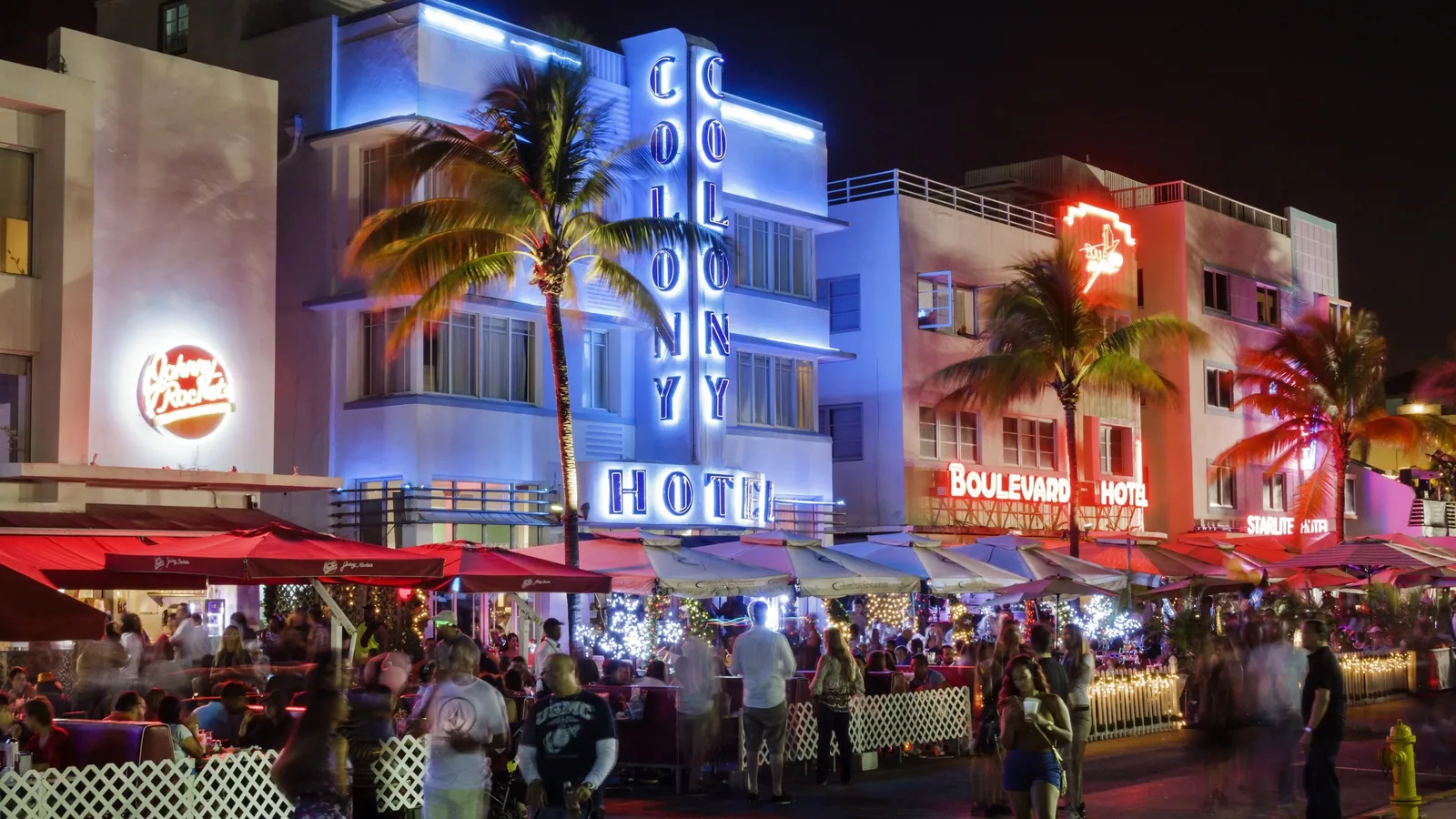
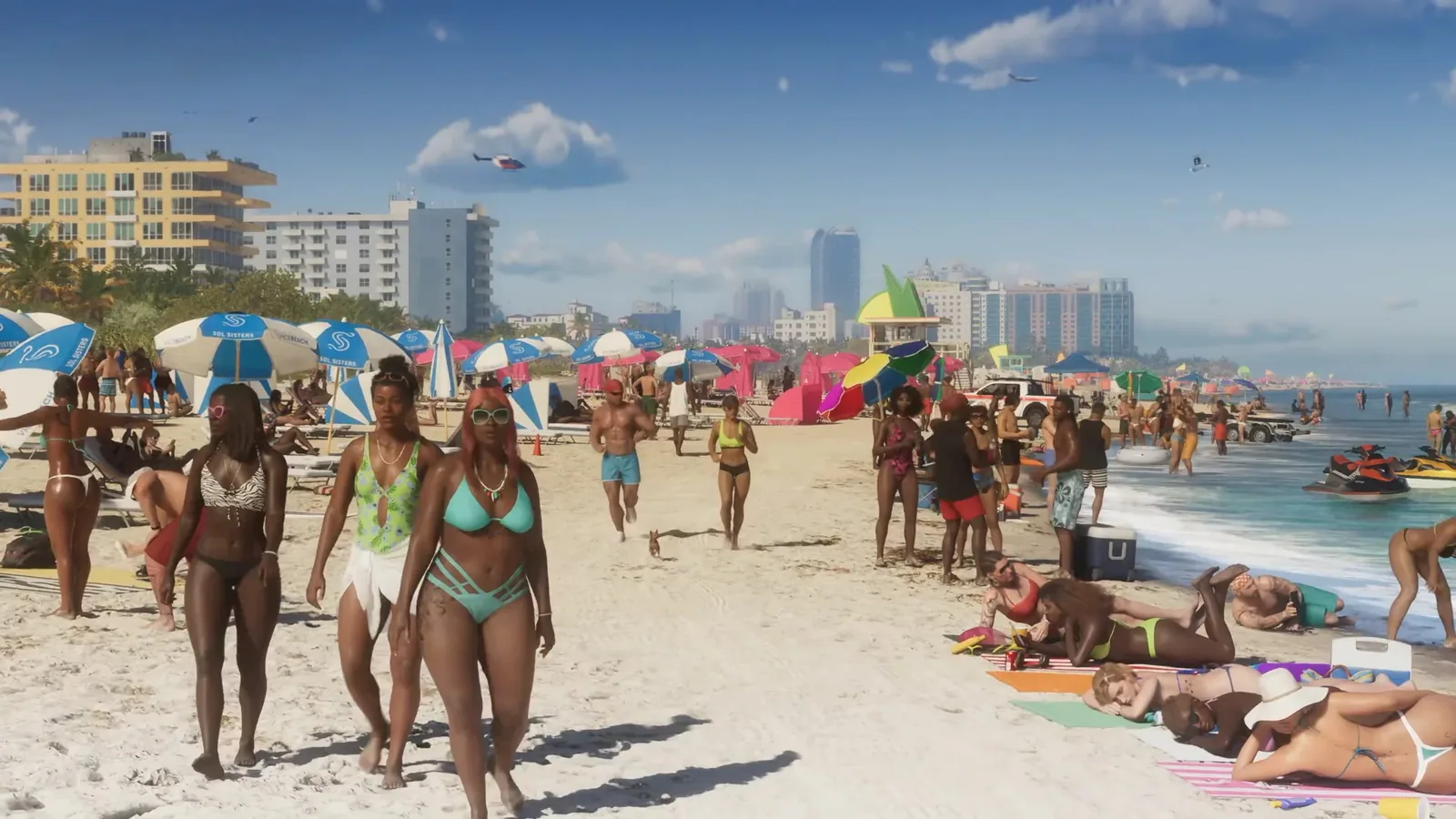
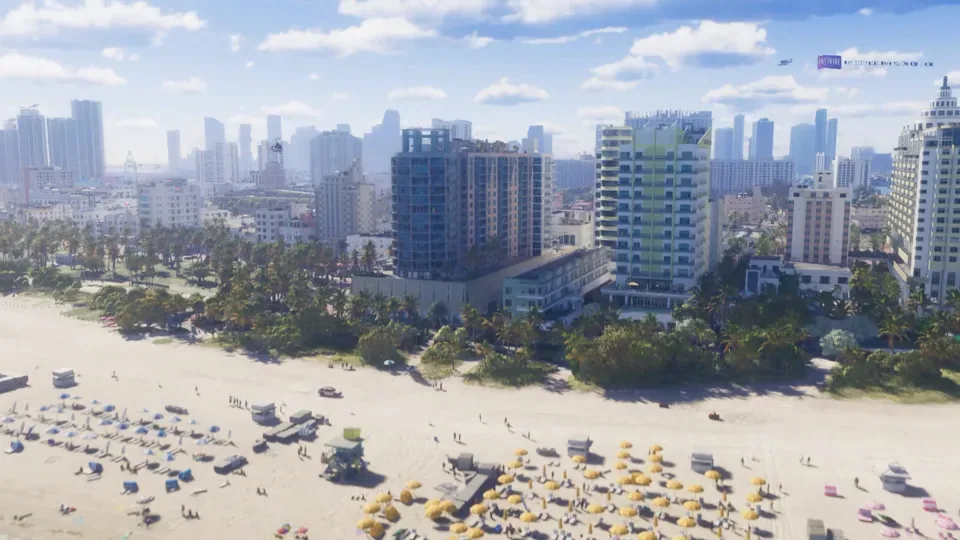
“It may not be the ’80s anymore, but Vice City is still America’s capital of sun and revelry. The nation’s charm, hustle, and greed all squeeze into a single city. From the soft white sand and pastel Art Deco hotels of Ocean Beach to the corner bakeries of Little Cuba and the mountains of counterfeit goods at the Tisha-Wocka flea market, all the way to Vice City Port, a global hub for cruises, every neighborhood has its own flavor.”
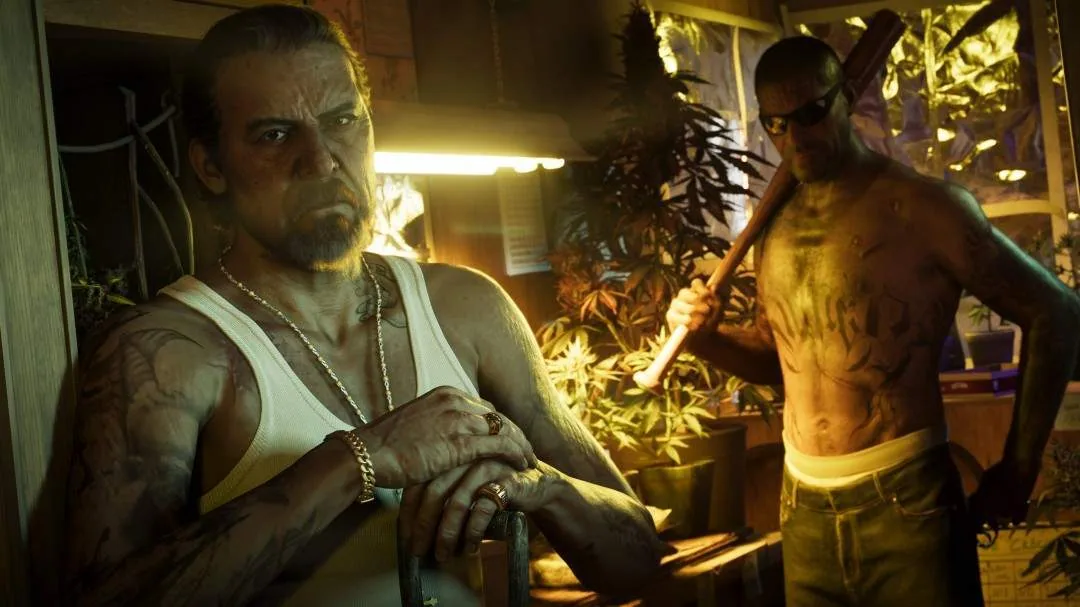
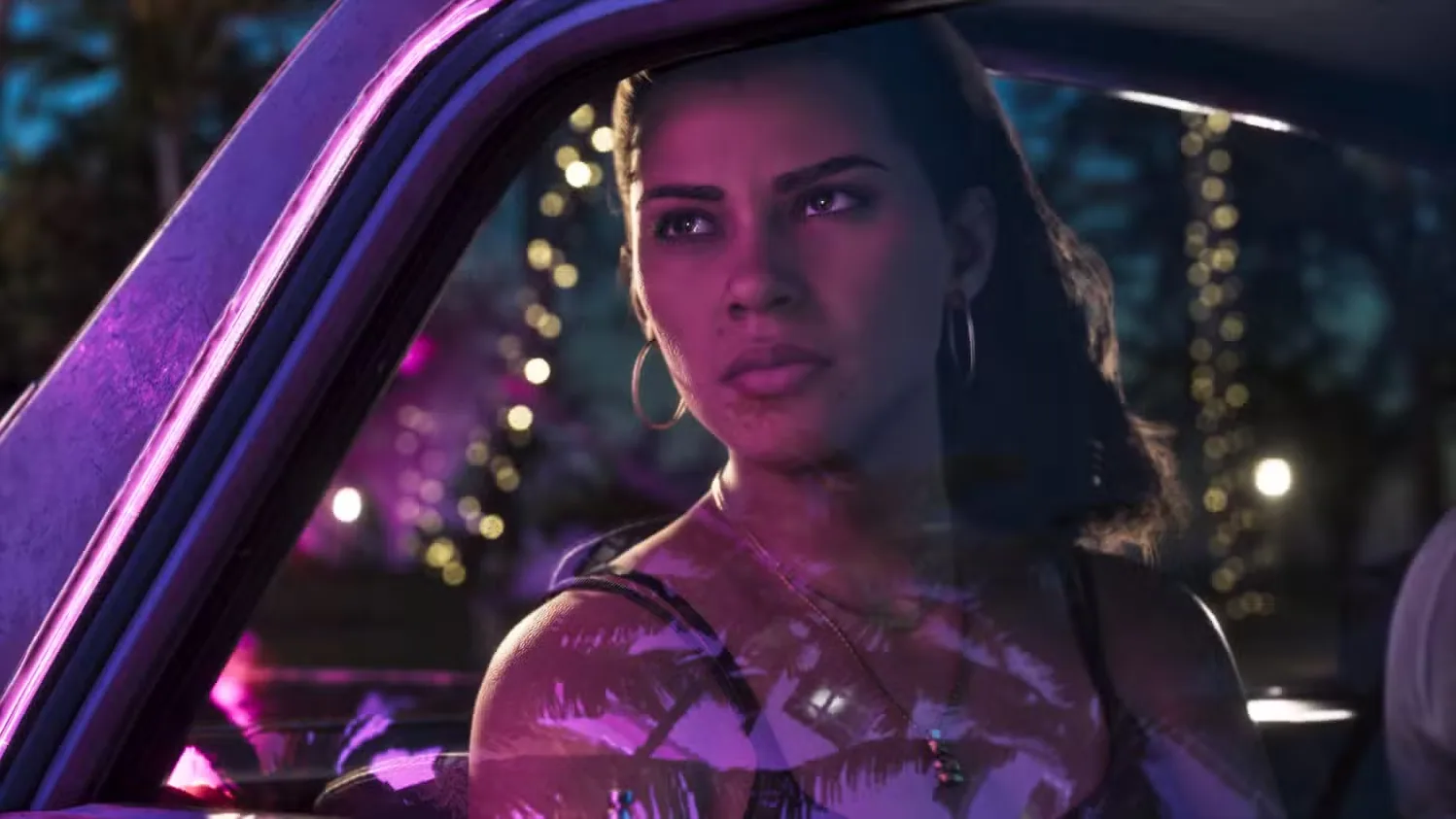
That positioning sets the city’s core character: everything in excess. Glamour and the underclass, the legal and the illegal, sunshine and crime all coexist at extreme density. The main story hangs on the same contradiction. After a botched job, Jason and Lucia are pulled into a statewide conspiracy that exposes “the darkest side of America’s sunniest place.”
Key Districts and Landmarks
Rockstar has already named several featured areas:
- Ocean Beach: pastel Art Deco hotels and white sand, the city’s most iconic stretch of coastline.
- Little Cuba: street bakeries and a strong Latin community, thick with everyday life.
- Tisha-Wocka flea market: a gathering place for counterfeit goods and black-market dealing, a snapshot of the underground economy.
- Vice City Port (VC Port): self-styled “global cruise capital,” and a key node for docks, shipping containers, and smuggling.
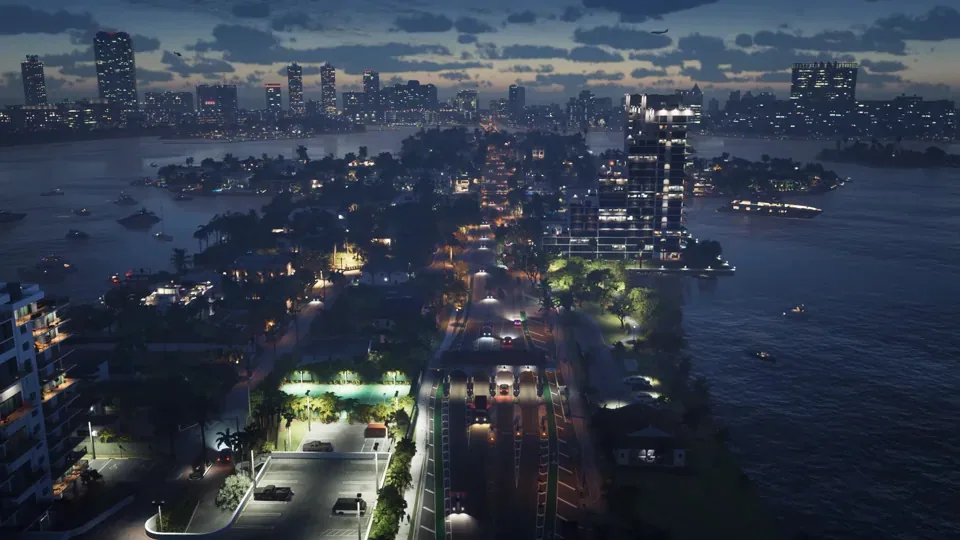
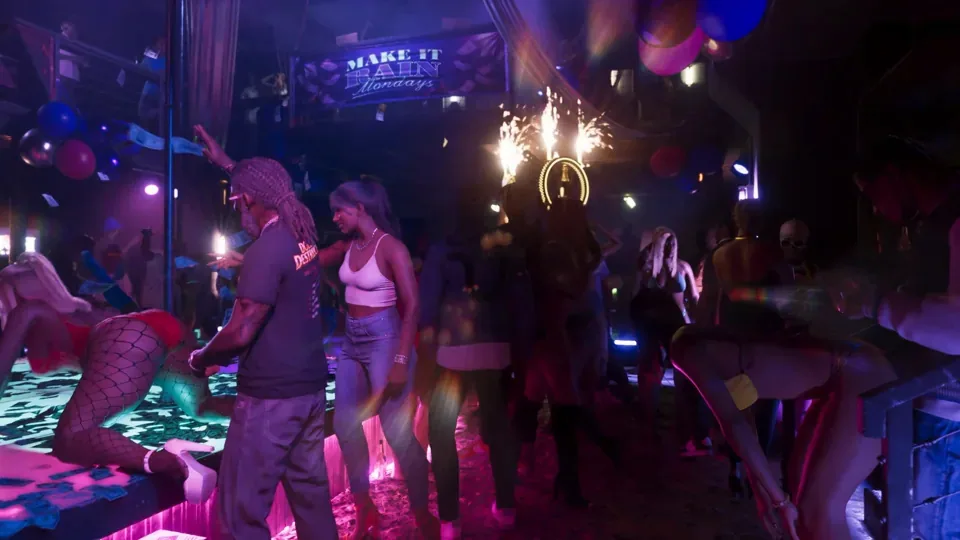
Beyond that, trailers and gameplay footage show dense downtown high-rises, nightlife districts, a stadium, a Ferris wheel, and an airport. Waterways and canals thread through the city, and boats become a major means of transport, reinforcing its coastal character.
Compared with 1980s Vice City
The classic Vice City drew on 1980s Miami, with neon, pink sports cars, and synth music as its signatures. This entry is thoroughly modern: social media, influencer culture, contemporary criminal networks, and tech folded into daily life. The Art Deco architecture survives, but it now sits alongside glass towers, luxury yachts, nightclubs, and street culture, creating a visual layering of old and new.
The change is not a simple reskin. It turns Vice City into a window onto the urban contradictions of the modern American South: extreme wealth and grinding poverty, surface revelry and backroom dealing, all at once.
Where Vice City Sits in Leonida
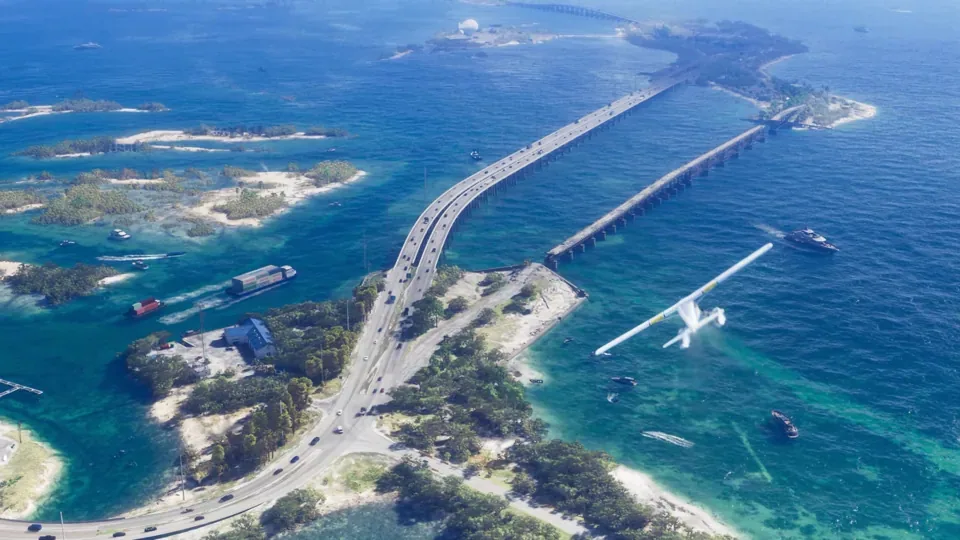
Vice City is the map’s core metropolis, but it is not the whole of it. It sits in southeastern Leonida (around Vice-Dale County), surrounded by:
- The Leonida Keys to the south (tropical islands and smuggling routes)
- The Grassrivers to the west (raw wetlands and wildlife)
- Industrial ports, countryside, and national parks further out
That city-plus-state structure lets players sink into high-density urban crime or switch pace in the wilderness and on small islands, widening what exploration and missions can offer.
Culture and Atmosphere
In the trailer and the Extended Look, Vice City shows an extremely high density of life: pedestrians, club crowds, beachgoers, dock workers, street performers, and criminal crews all in the same frame. Music, fashion, social media, and local subcultures are woven deep into the setting, so the city is not just a backdrop but a continuous feedback system for the characters’ actions.
Rockstar has stressed repeatedly that this is both the “capital of sunshine” and “the darkest side.” The dual-protagonist story unfolds inside that extreme contrast. The two try to find footing between glamour and danger, and keep being dragged deeper into a larger conspiracy.
The Bottom Line
GTA6’s Vice City is no longer a single nostalgic 1980s symbol but a modern metropolis alive in the present and full of tension. It keeps the series’ signature Miami streak while adding new meaning: the social media era, class divides, and a statewide criminal network. As the heart of Leonida, Vice City will carry most of the main narrative’s weight and serve as the stage players return to most often.
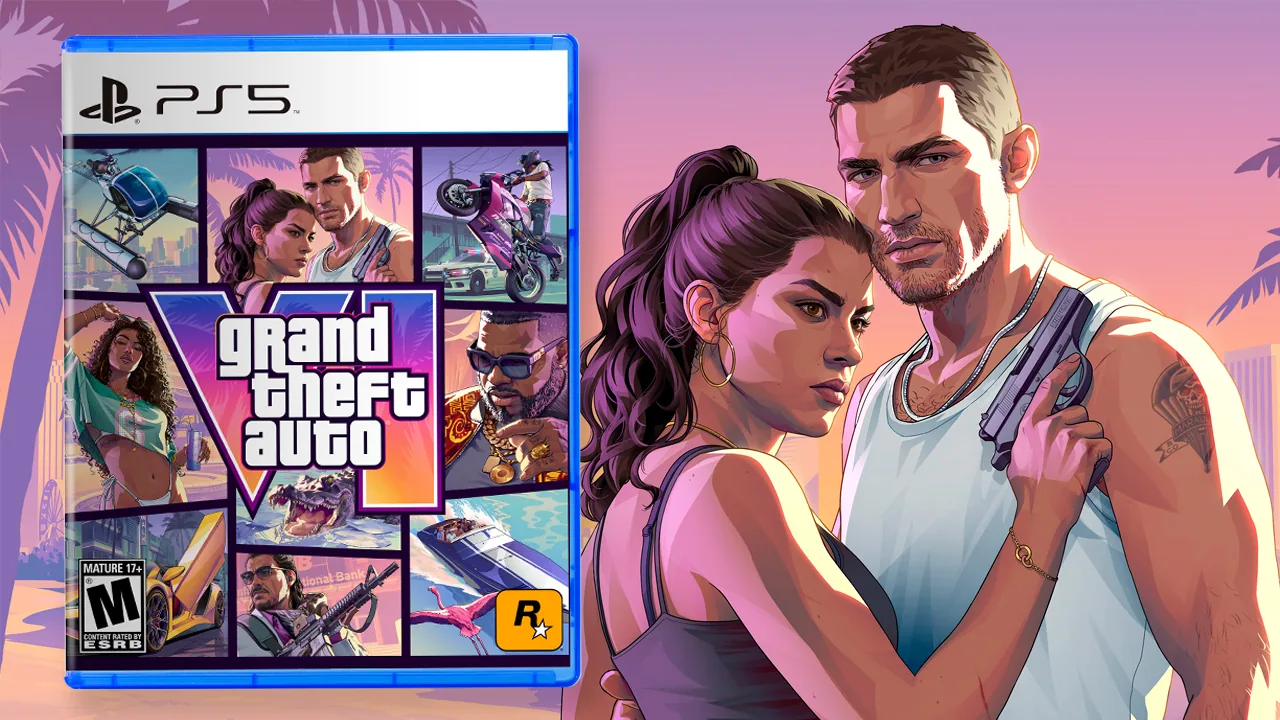
From pastel hotels to port containers, from Little Cuba bakeries to nightclub neon, the city opens a door onto a world where sunshine and shadow coexist, guided by an attitude of everything in excess. When it launches on November 19, 2026, players will walk into a Vice City that is at once familiar and entirely new.