Guides · Systems
GTA6's Weather and Its Impact on Gameplay: From Visual Mood to Real Strategy
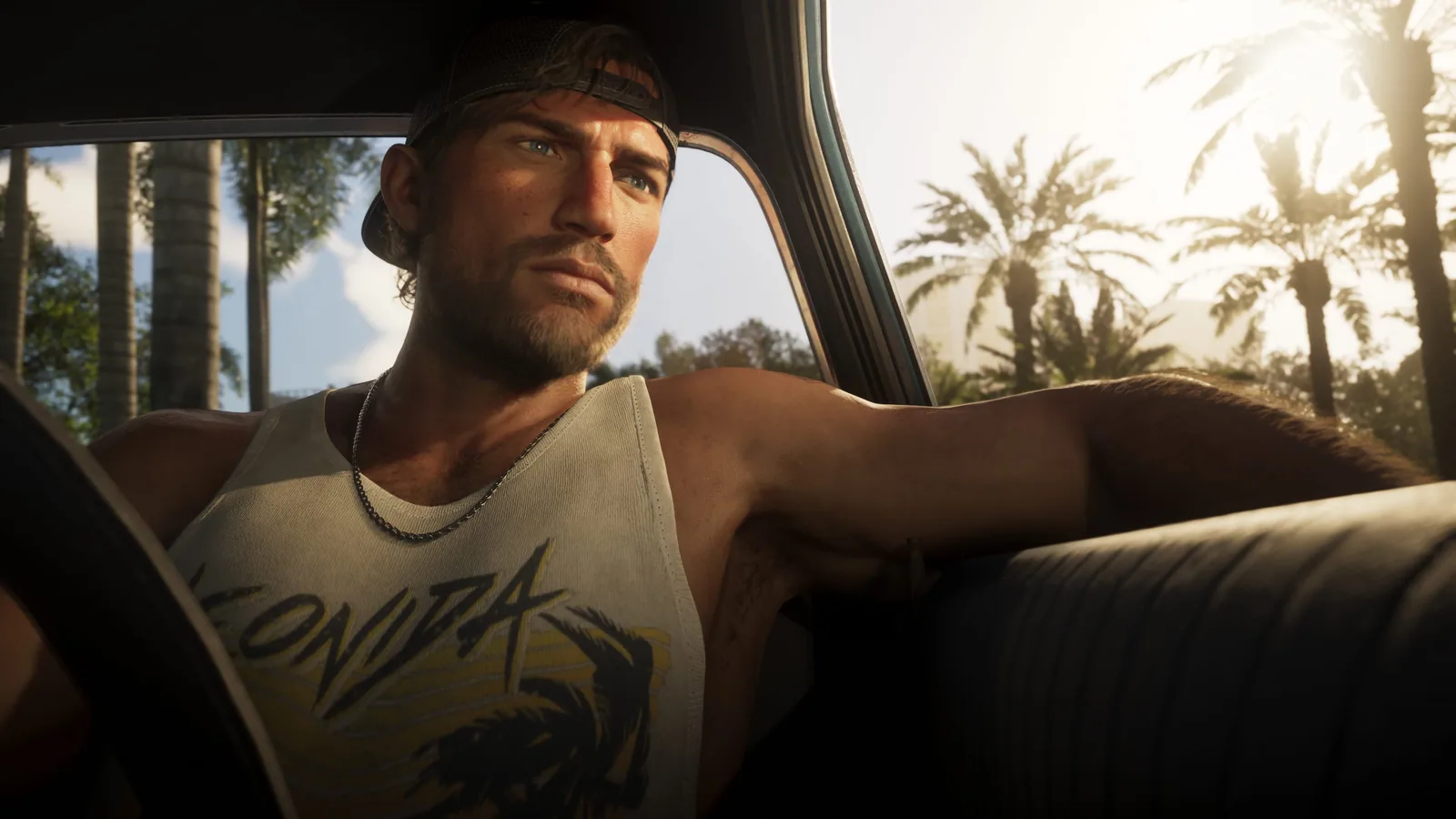
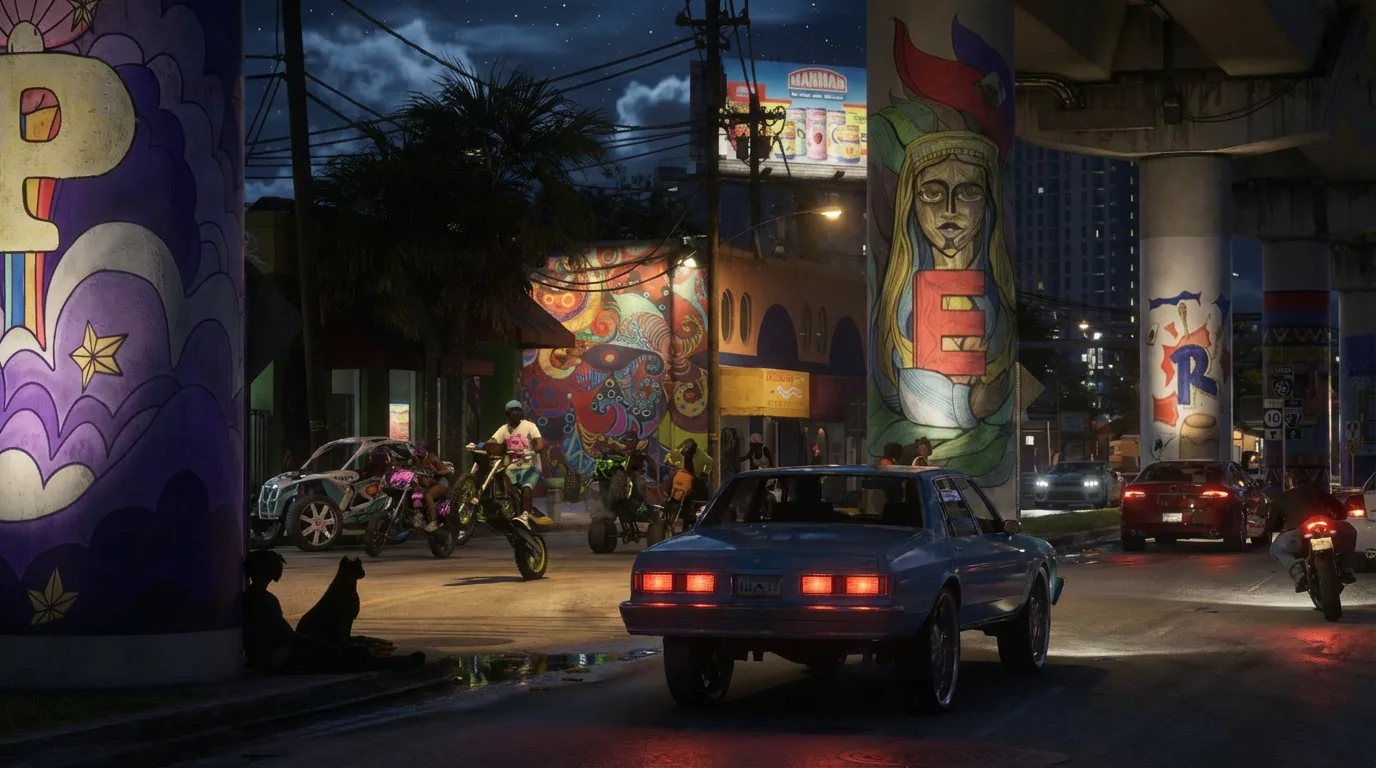
GTA6's Leonida is modeled on Florida, and a subtropical climate inherently means frequent downpours, high humidity, strong winds and the possibility of storms. Rockstar has already shown wet roads, dynamic cloud layers and vegetation buffeted by strong wind in trailers and gameplay footage. Weather is no longer just a background filter, it's a system that directly affects driving, visibility, NPC behavior and some gameplay decisions.
On this page
GTA6’s Leonida is modeled on Florida, and a subtropical climate inherently means frequent downpours, high humidity, strong winds and the possibility of storms. Rockstar has already shown wet roads, dynamic cloud layers and vegetation buffeted by strong wind in trailers and gameplay footage. Weather is no longer just a background filter, it’s a system that directly affects driving, visibility, NPC behavior and some gameplay decisions.
How Driving and Physics Feel Change
Weather’s effect on vehicle handling is the most direct gameplay layer:
- Rain and slick roads: tire grip drops, and high-speed cornering is more likely to end in a loss of control. Supercars become hard to handle in a downpour, while four-wheel-drive pickups or off-roaders gain a clear edge.
- Standing water and possible flooded areas: low-lying stretches may collect water, affecting passability and forcing players to change their escape routes.
- Strong wind: affects the stability of light vehicles and aircraft; helicopters and small planes become harder to handle in bad weather.
- Different road surfaces: asphalt, concrete, sand and mud behave far more differently when dry versus wet, raising the importance of terrain strategy.
These changes mean “which car do I escape in” is no longer just about speed, but about the current weather and road conditions.
Visibility and Combat Effects
Severe weather changes the rhythm of combat and stealth:
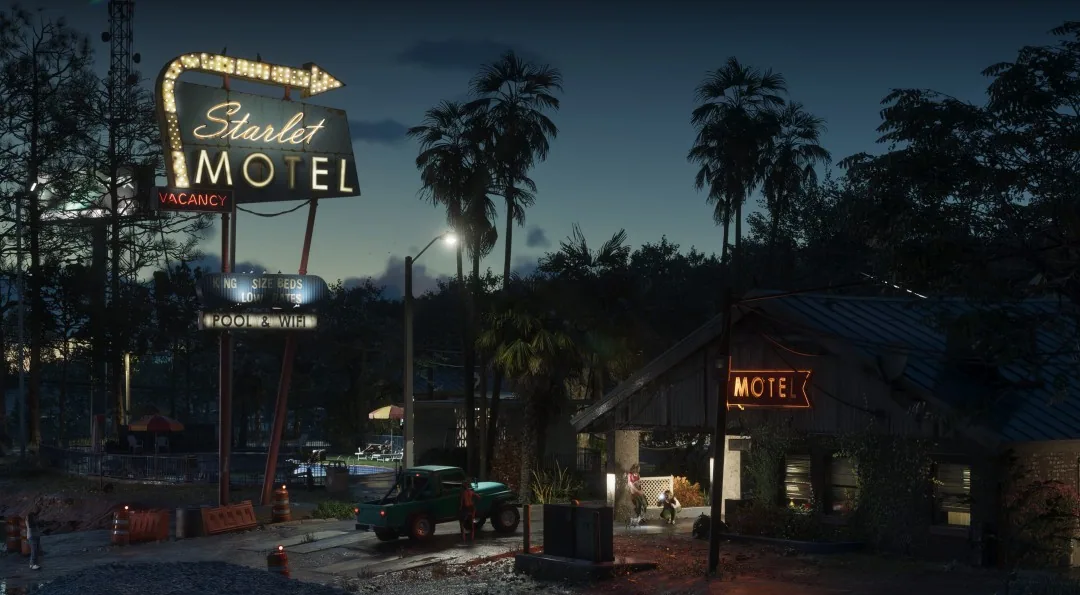
- Downpours and thick fog: sharply reduce long-range visibility, favoring close-quarters stealth or shaking off police, but working against long-range shooting and high-speed driving.
- Thunder as cover: some players speculate that explosions or gunshots could be timed with thunderclaps to lower the risk of being detected (similar to the environmental use in Red Dead Redemption 2).
- Humidity and sweat: in hot, humid conditions characters sweat faster, clothing and appearance states change, which may affect clothing-based identification in the wanted system.
Weather therefore becomes a double variable in combat and escape — an obstacle, and potentially cover.
Dynamic NPC and World Reactions
Weather changes how pedestrians and the environment behave:
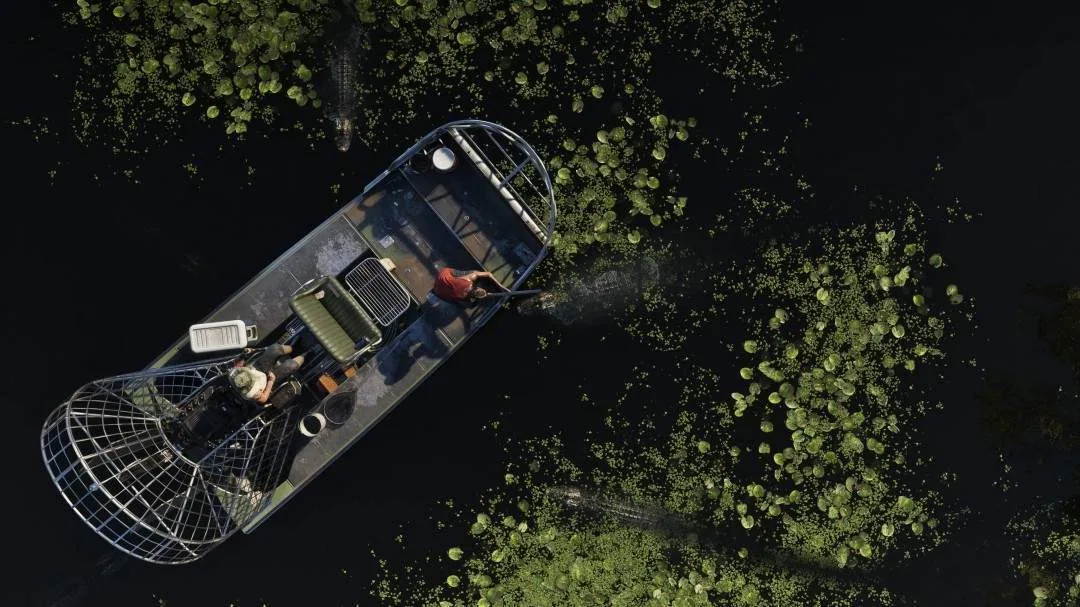
- In rain, NPCs open umbrellas, run for cover or head into buildings; street density drops, and some shops may close temporarily.
- In strong wind and storms, pedestrians are more likely to look for shelter, and traffic behavior turns cautious or chaotic.
- Area heat and police searches may be affected by weather — reduced visibility in a downpour helps you hide, but also makes chases more uncertain.
The world no longer ignores weather; it adjusts its daily rhythm to it.
Potential Ties to Missions and Activities
Rockstar hasn’t detailed how missions bind to weather, but the Florida setting and the system’s logic suggest:
- Some outdoor missions become harder in downpours or storms, or offer alternate routes.
- Water activities (jet skis, speedboats, diving) carry higher risk in bad weather.
- Smuggling or escape routes may need replanning because of standing water or shifting visibility.
- Extreme weather (such as severe storms) may temporarily change access to certain areas or NPC distribution.
Weather is thus upgraded from an “atmosphere tool” to a “mission variable.”

Visual and Immersion Gains
With ray tracing combined with dynamic weather:
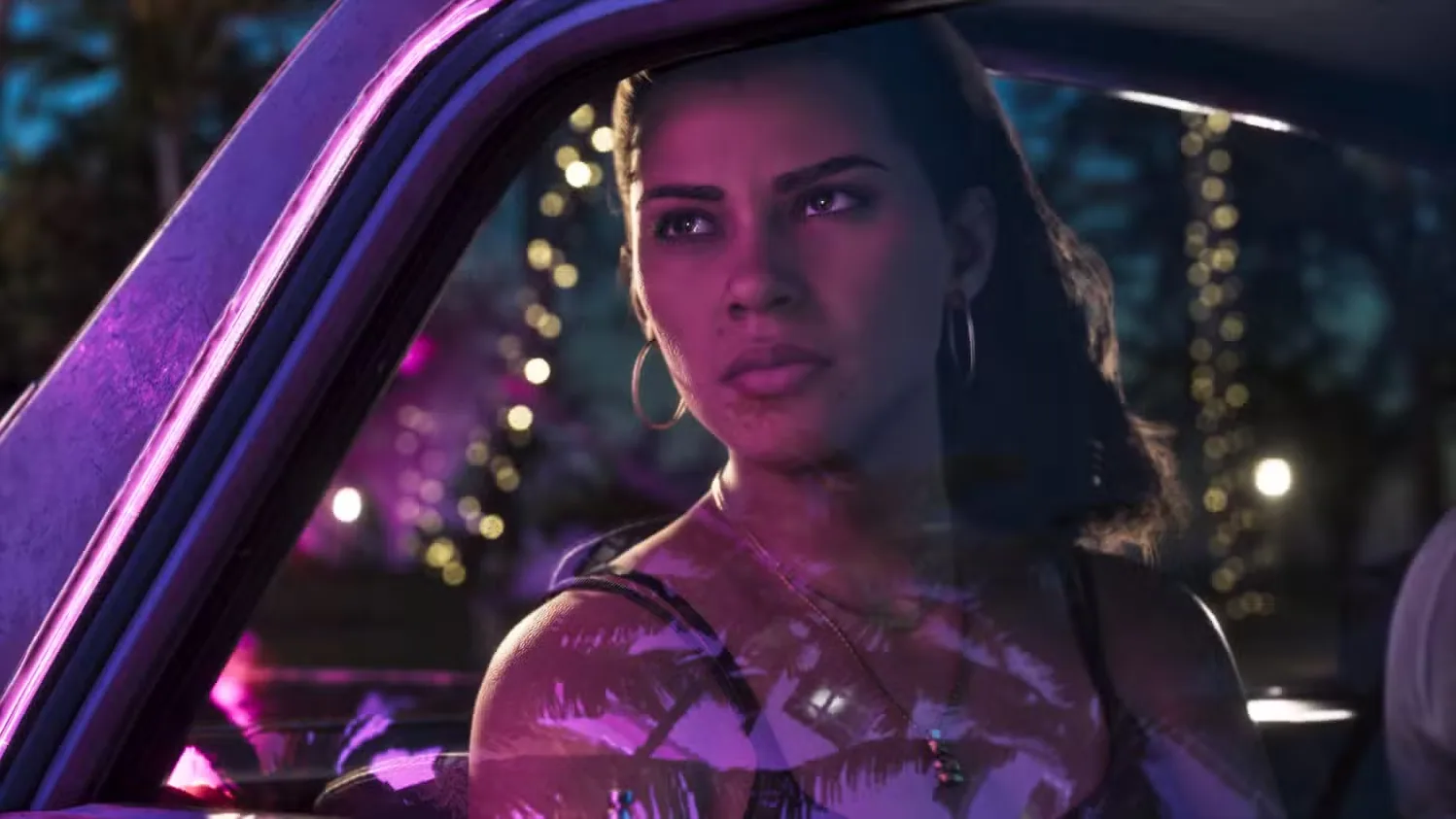
- Reflections on wet roads and car bodies look more realistic.
- Raindrops, standing water, mist and humidity effects add depth to the image.
- Fast shifts between day/night and weather make the same location feel completely different.
Those visual changes in turn reinforce how gameplay feels — a high-speed chase in a downpour doesn’t just handle differently, it also carries more visual pressure.
Comparison with Previous Games
| Dimension | GTA5 | Red Dead Redemption 2 | GTA6 (Expected) |
|---|---|---|---|
| Weather affects driving | Slight slickness | Noticeable (mud, snow) | More detailed grip and standing-water effects |
| NPC reactions | Basic sheltering from rain | Stronger (seeking cover) | More natural rain avoidance, traffic and density changes |
| Visibility impact | Limited | Significant | Storms and fog affect combat and escape more |
| Mission integration | Almost none | Partly environment-related | May affect routes and difficulty |
| Visual fidelity | Good | Very high | Ray tracing adds stronger wetness and reflections |
Design Intent
The upgraded weather system serves two goals:
-
Deepen immersion: let players genuinely “feel” Leonida’s climate.
-
Add strategic depth: force players to adjust vehicles, routes, combat and stealth to the weather.
It links with the wanted, witness and two-protagonist co-op systems — changing clothes in a downpour, splitting up to flee, or using low visibility to hide all become more natural choices.
Summary
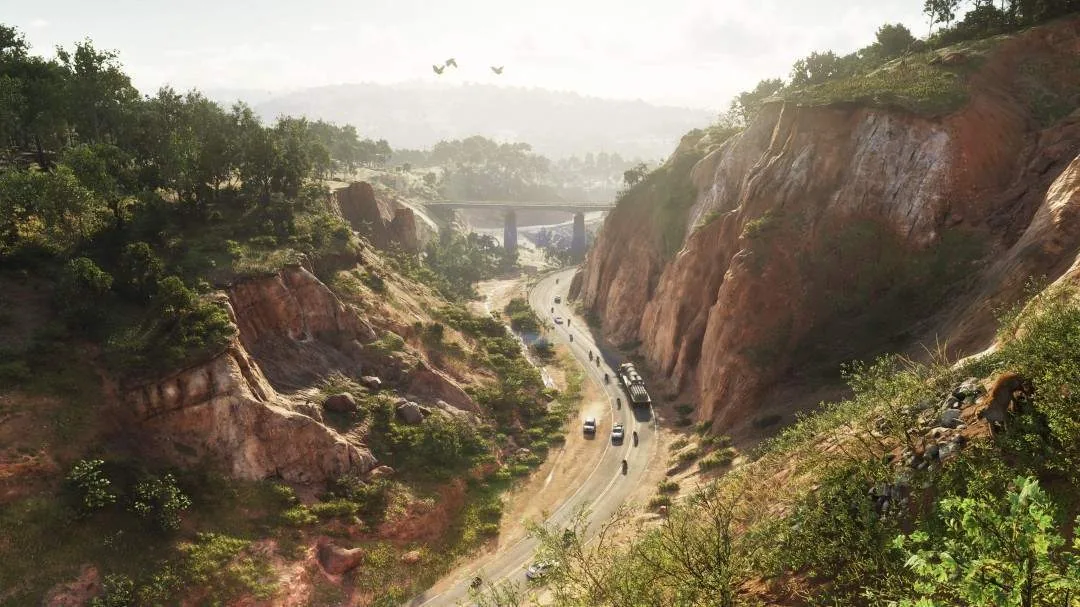
GTA6’s weather system centers on slick rainy conditions, visibility shifts, dynamic NPC reactions and the possible effects of standing water and strong wind, turning climate from visual decoration into a gameplay variable. Driving feel, combat rhythm, escape strategy and the world’s mood will all change with the weather.
After launch, players will truly experience it: high-speed cornering through a Leonida downpour is no longer just a good-looking shot, it’s about whether you can shake the police; stealth in thick fog and a firefight on a clear open day will be two entirely different experiences. On November 19, 2026, this weather system, deeply bound to Florida’s climate, will become a key pillar of GTA6’s open-world realism.