Map & Collectibles
GTA6 City Districts: Vice City's Diverse Neighborhoods Explained
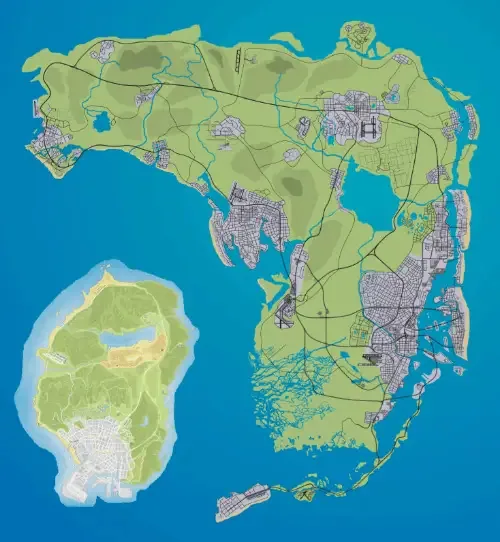
GTA 6 is set in the fictional state of Leonida, and Vice City, its core metropolis, is the densest and most layered city Rockstar has built to date. Official materials and trailers have confirmed several distinctive districts that draw on modern Miami while each keeping its own architecture, culture and criminal ecosystem. Here is a systematic look at Vice City's main neighborhoods, based on what is public so far.
On this page
GTA 6 is set in the fictional state of Leonida, and Vice City, its core metropolis, is the densest and most layered city Rockstar has built to date. Official materials and trailers have confirmed several distinctive districts that draw on modern Miami while each keeping its own architecture, culture and criminal ecosystem. Here is a systematic look at Vice City’s main neighborhoods, based on what is public so far.
Vice City at a Glance
Rockstar describes Vice City as “American glamour, hustle and greed condensed into a single city.” It is no longer the retro 1980s Vice City, but a modern metropolis where neon, social media and class divides coexist. The city itself is about twice the size of GTA 5’s Los Santos and includes beaches, a financial district, a port, arts districts and immigrant communities, at a density far beyond the previous game.
Main Confirmed Districts
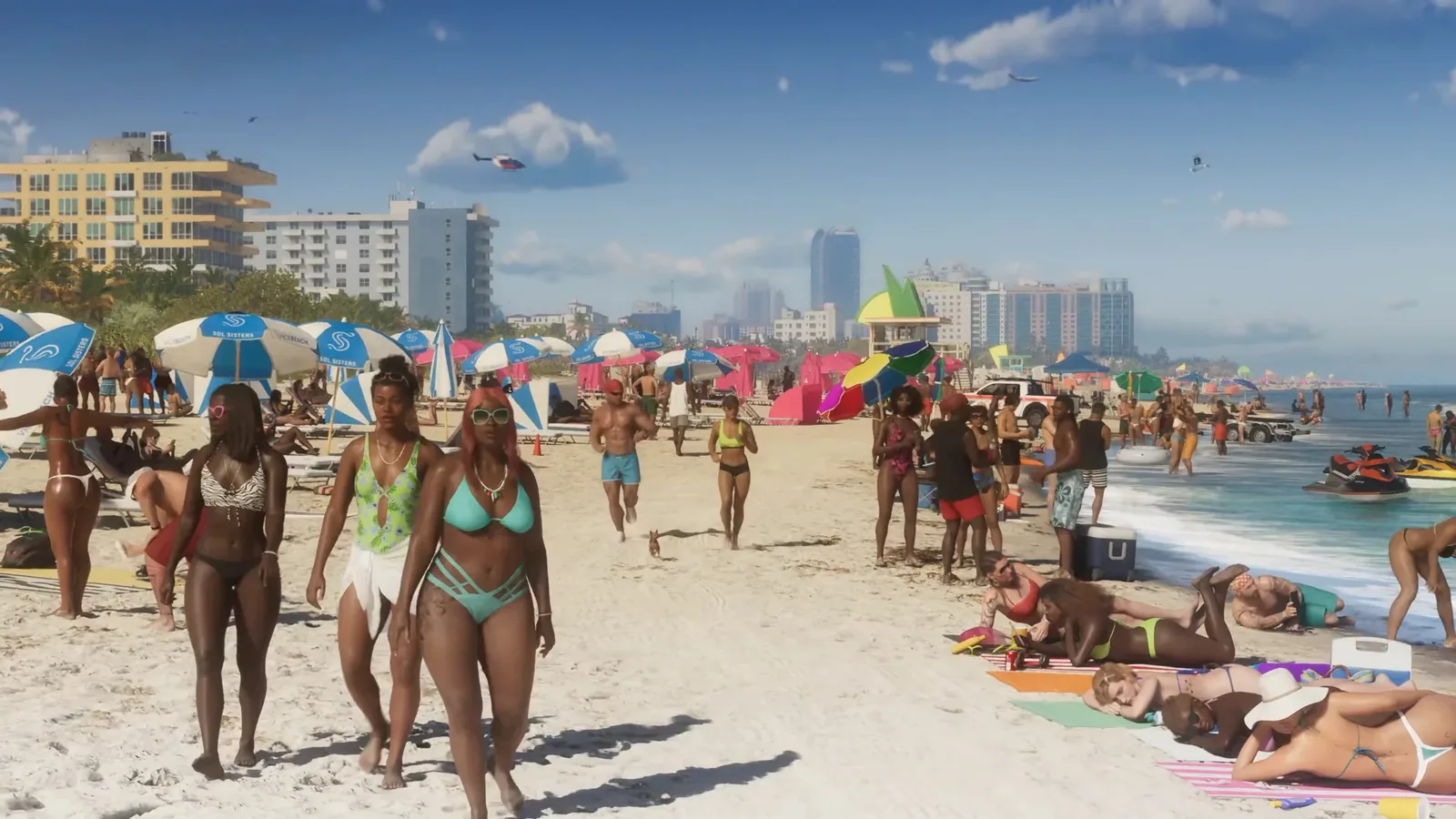
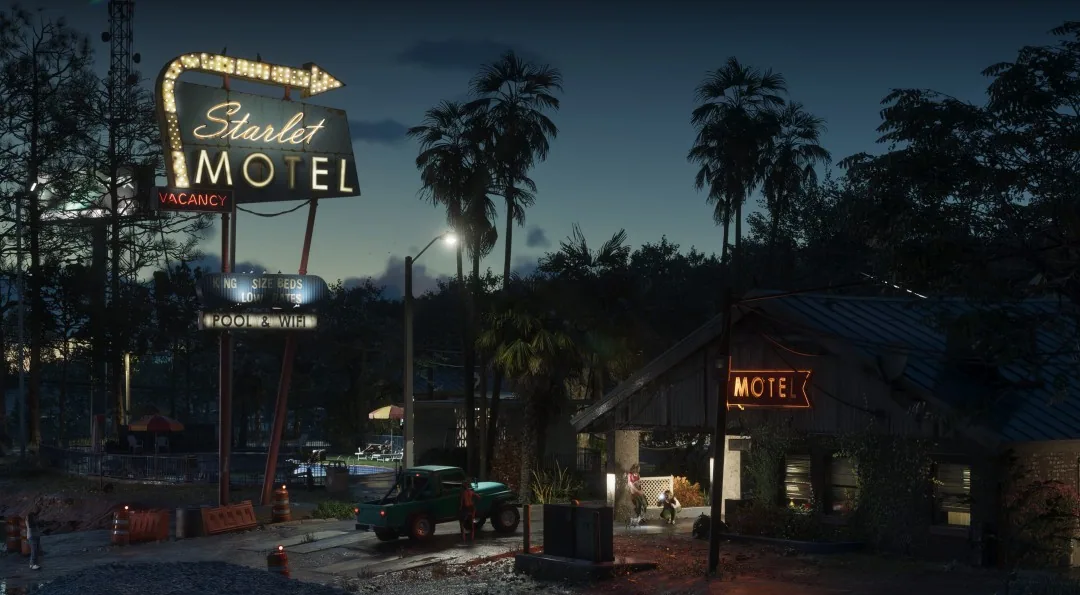
1. Ocean Beach
The most iconic beachfront neighborhood, inspired by South Beach. Pink Art Deco hotels, white sand and Ocean Drive are its visual core. The trailers show plenty of nightlife, sunbathing and neon signage here, making it the hub of tourist and party culture.
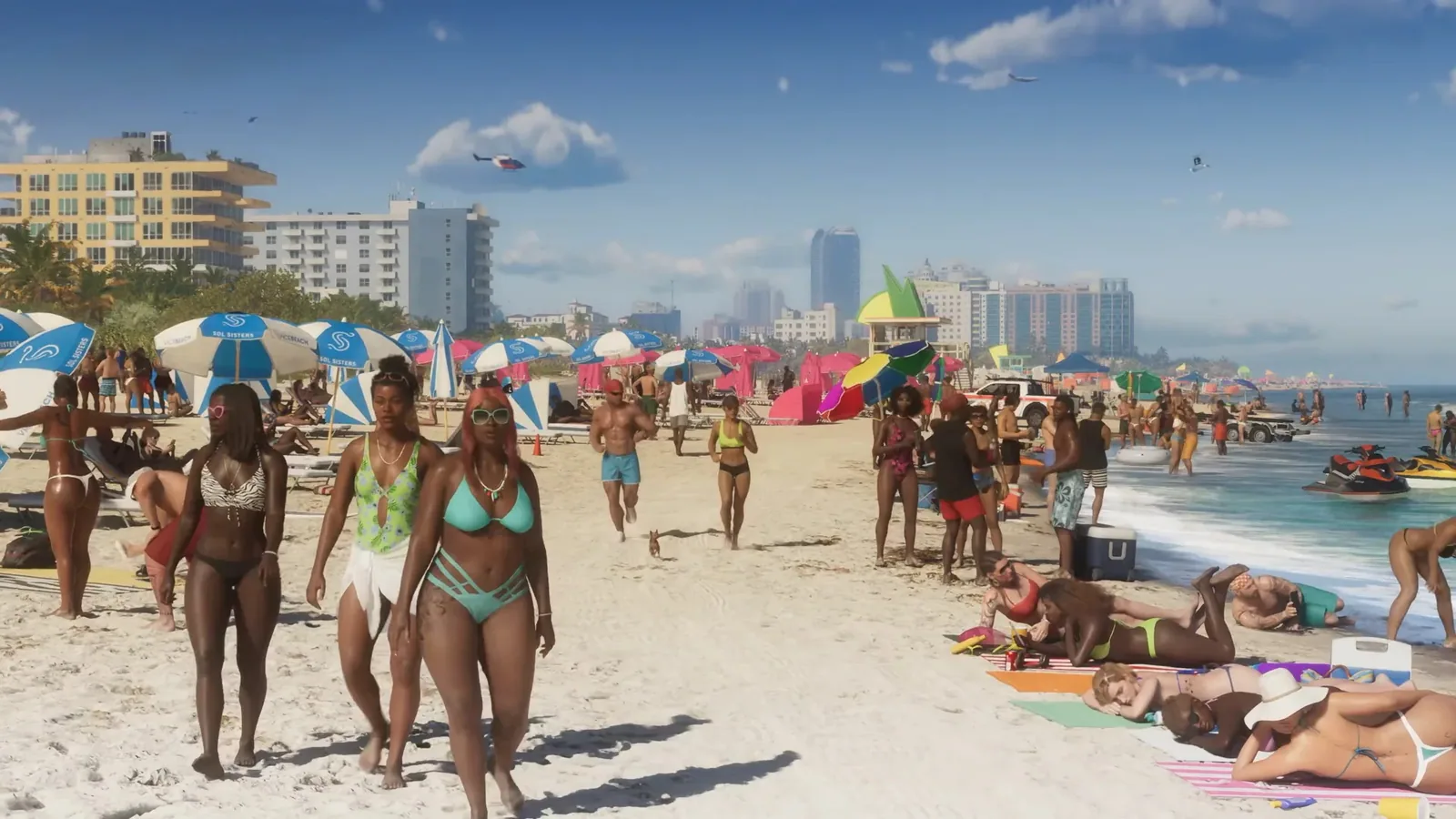
2. Little Cuba
An officially named Cuban community corresponding to real-life Little Havana. It has busy bakeries (panaderías), street markets and a strong Latin atmosphere. The Tisha-Wocka flea market sits near this area and is known for knockoff brands and black-market deals.
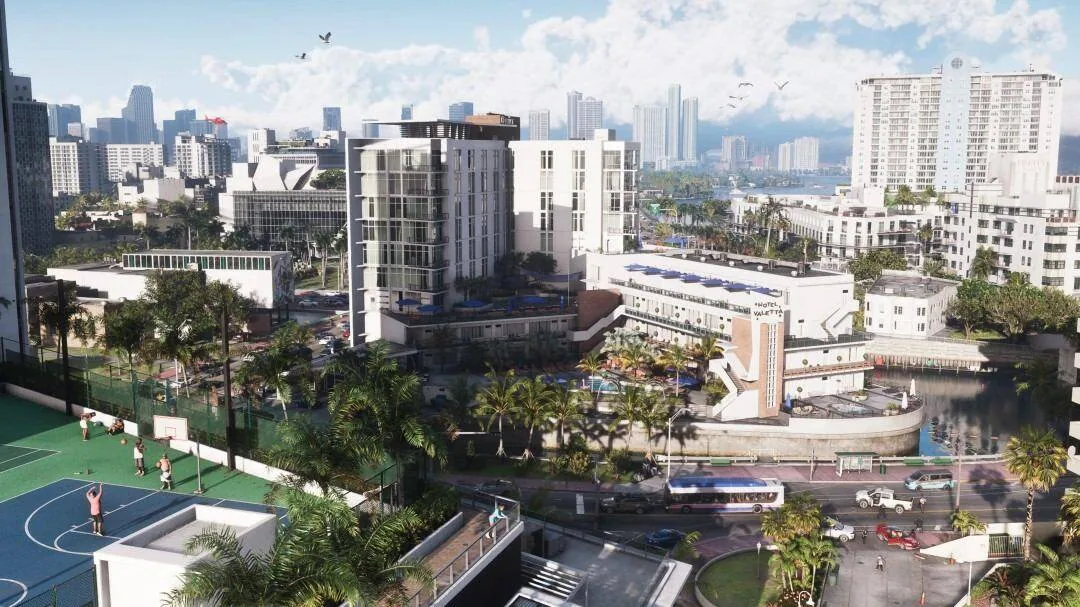
3. La Perle
A neighborhood inspired by Little Haiti, with a rougher, more street-art and gang-tinged feel. Murals, heavy Caribbean flavor and grittier streets contrast sharply with Ocean Beach’s polish.
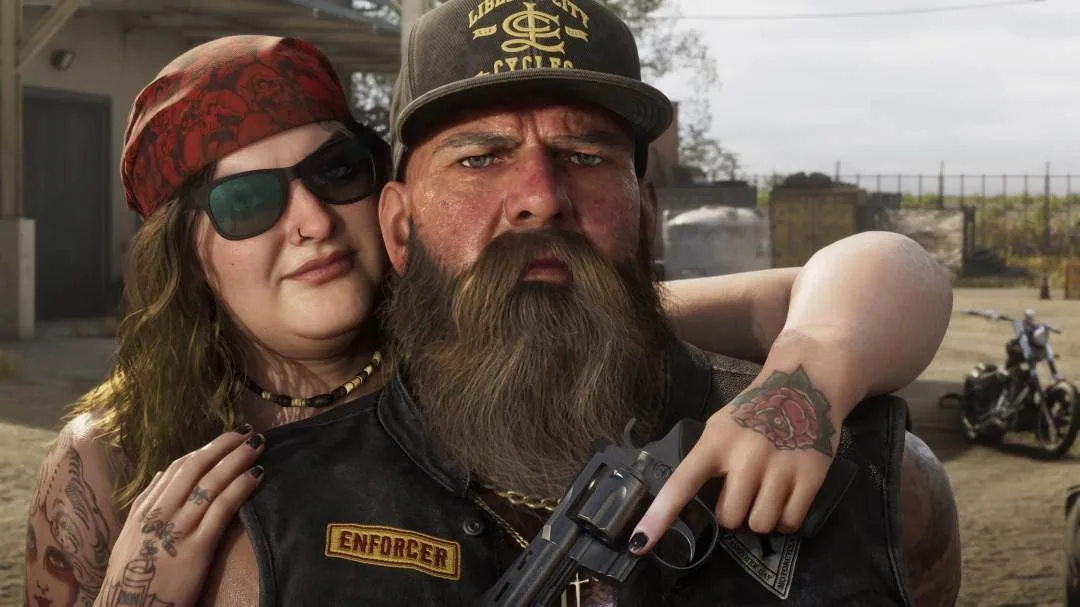
4. Stockyard
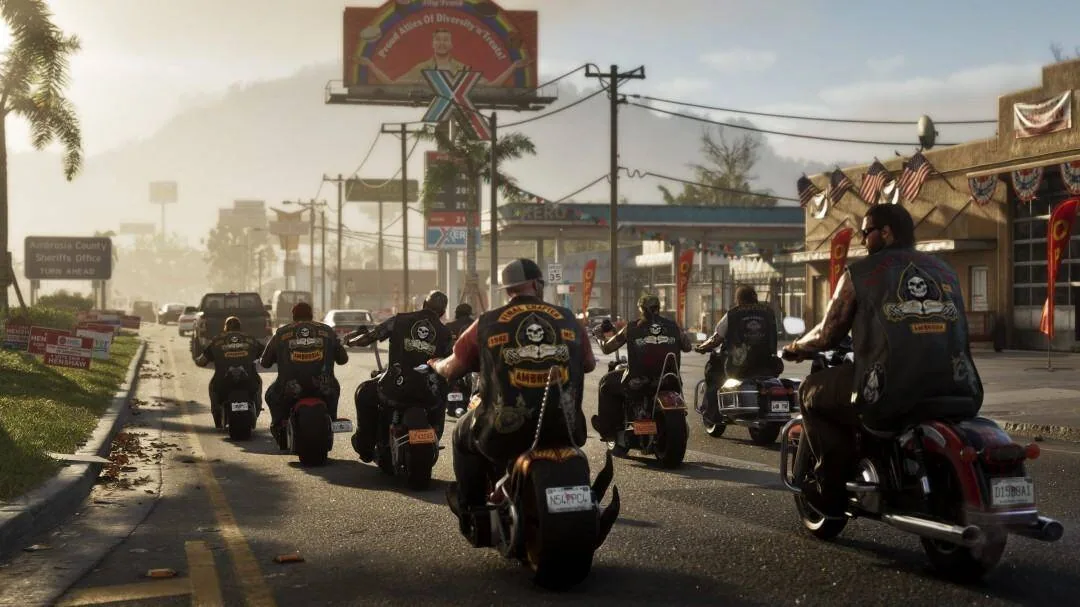
Corresponds to the Wynwood arts district. Galleries in converted warehouses, street graffiti and modified-car meetups define the area, representing Vice City’s young, creative and underground side.
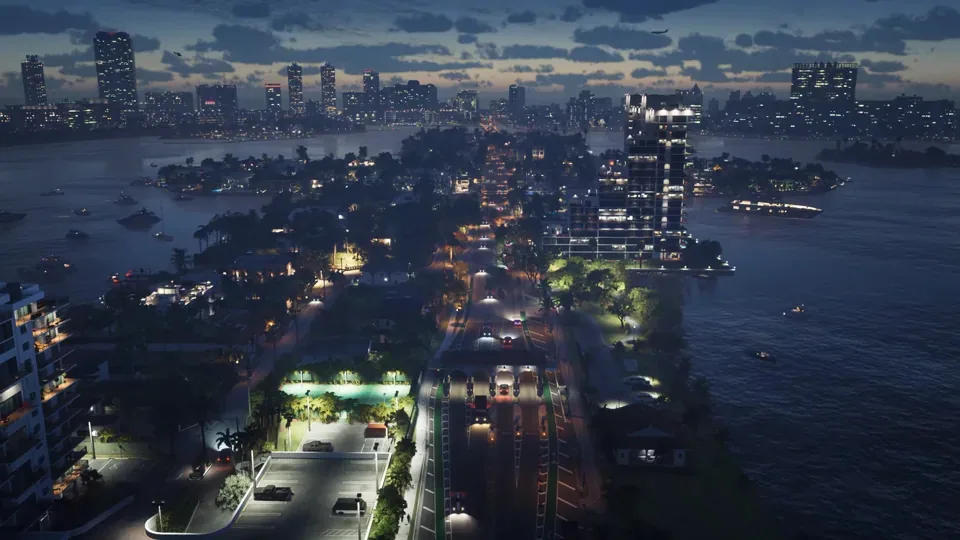
5. Downtown / Tequesta
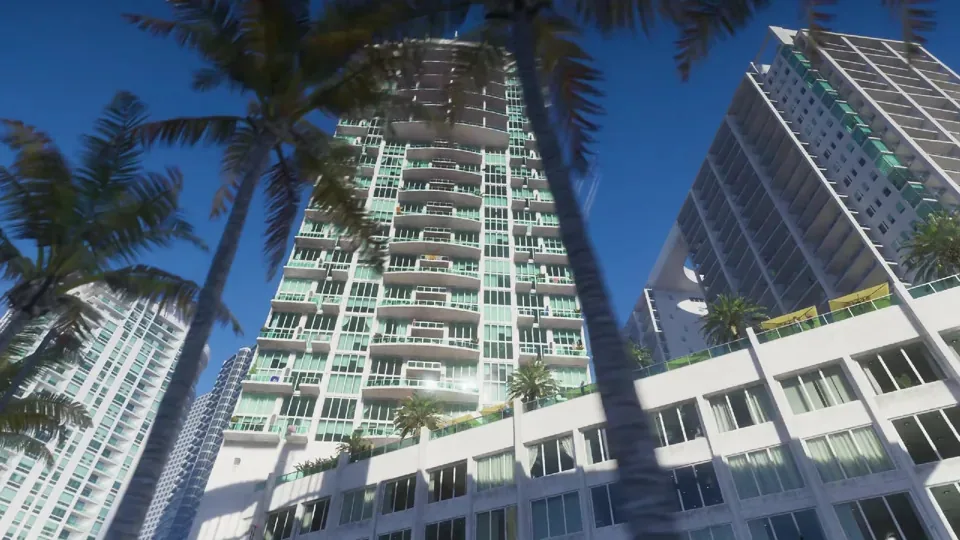
The financial and business core, full of glass high-rises and inspired by Brickell. This is where white-collar crime, high-end apartments and big institutions cluster, a class contrast to the relaxed beach districts.
6. Vice City Port
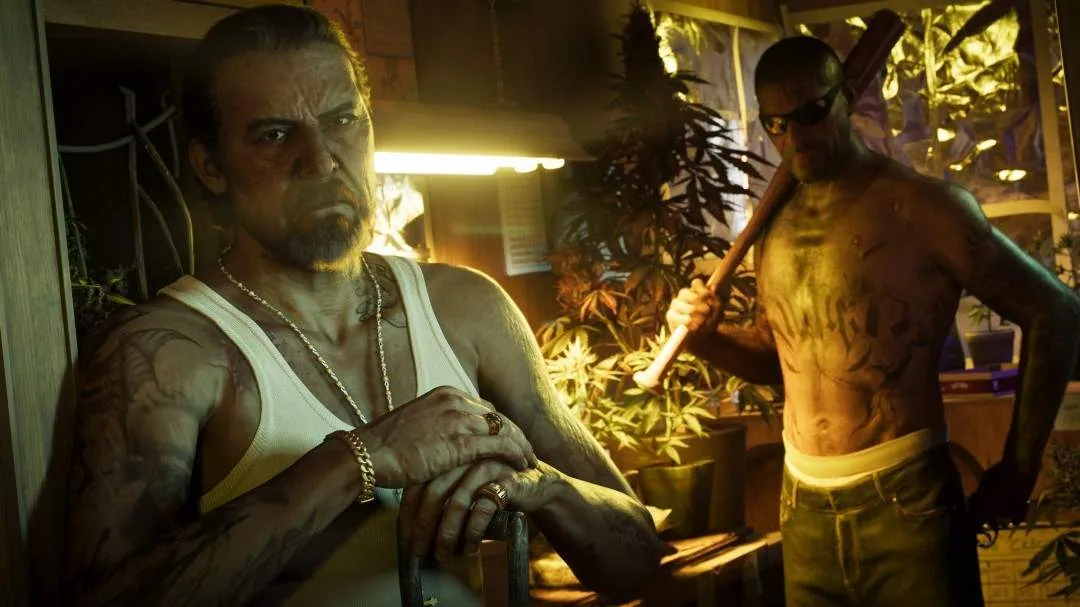
Officially called the “cruise capital of the world.” Container terminals, warehouses and frequent smuggling make it a key node in logistics and criminal networks.
7. Vice Beach and the Surrounding Coast
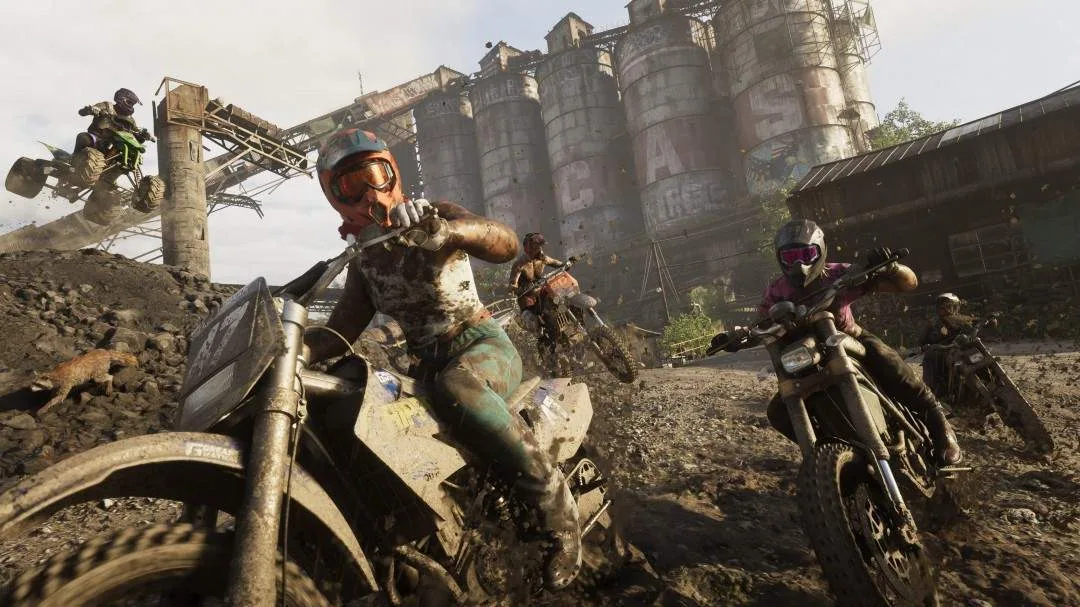
This includes Vice Beach, Washington Beach and more, the barrier-island strip linking the main island to the coast, known for beach parties, jet skis and coastal highways.
How Districts Differ and What It Means for Gameplay
| Neighborhood | Real-World Counterpart | Main Vibe | Likely Gameplay Focus |
|---|---|---|---|
| Ocean Beach | South Beach | Glitz, parties, tourists | Nightlife, socializing, sightseeing |
| Little Cuba | Little Havana | Latin culture, street life, black market | Street deals, cultural missions |
| La Perle | Little Haiti | Lower-income, gangs, street art | Gang conflict, low-level crime |
| Stockyard | Wynwood | Art, modified cars, youth culture | Vehicle customization, street events |
| Downtown/Tequesta | Brickell | Finance, upscale, white-collar | White-collar crime, high-rise interactions |
| Vice City Port | PortMiami | Industrial, smuggling, logistics | Port missions, smuggling |
Districts don’t just look different; the clothing, accents and behavior of NPCs, and the kinds of crime around them, differ too. Openly carrying a gun in Ocean Beach might instantly spark panic, while reactions in lower-income neighborhoods could be more complicated.
Links to the Wider State of Leonida
Vice City does not exist in isolation. It connects through bridges and highways to the following regions:
- Leonida Keys: the tropical islands linked by long southern bridges, and Jason’s early base.
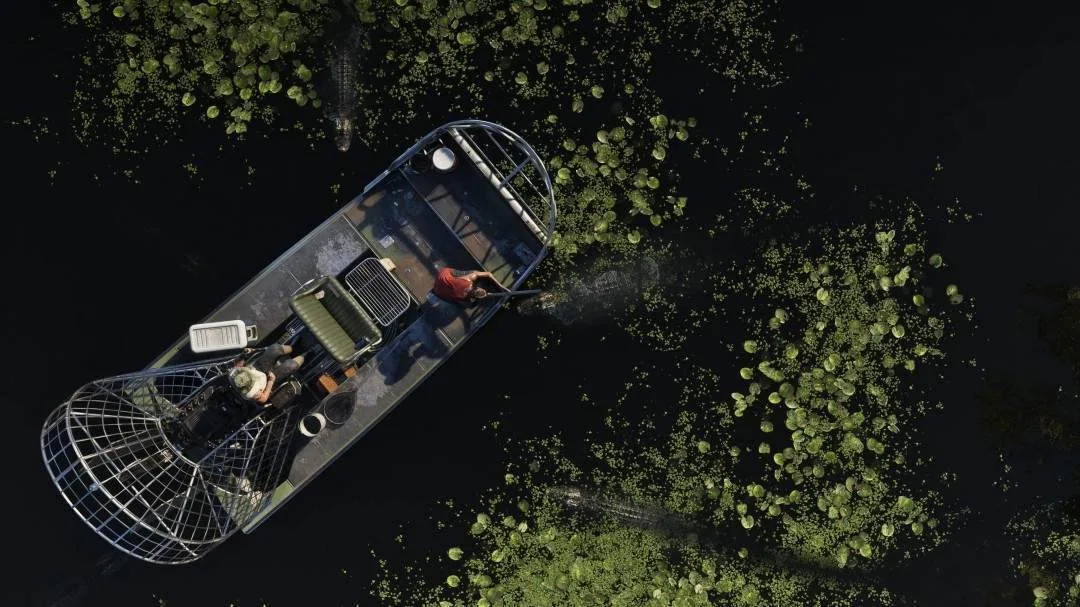
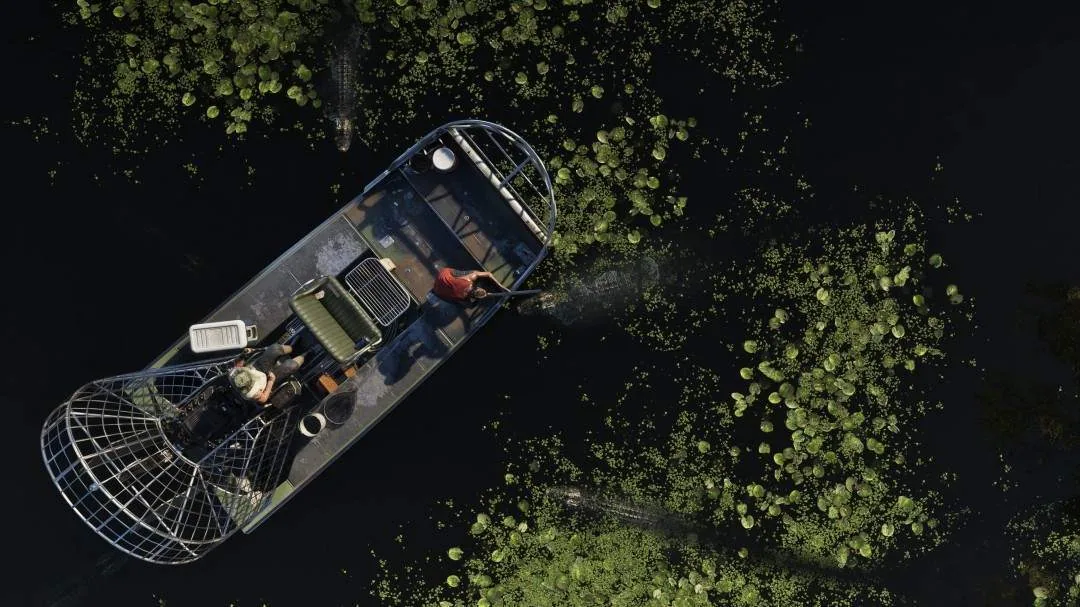
- Grassrivers: Everglades-style wetlands.
- Port Gellhorn: a faded port town on the Gulf coast.
- Ambrosia: inland industry and sugar mills.
- Mount Kalaga National Park: northern mountains and national parkland.
That shift from dense city to sparse nature lets players experience completely different pacing and atmosphere on a single map.

Design Significance
Through neighborhood differentiation, Rockstar reinforces the idea of a “living world.” Each area has its own cultural symbols, economic activity and criminal ecosystem rather than reusing the same pedestrians and buildings. Combined with 600,000 animations, a wanted system that recognizes clothing and appearance, and NPCs who react to player behavior, the districts become spaces with memory, class and attitude.
Summary
GTA 6’s Vice City is built around the glitz of Ocean Beach, the street life of Little Cuba, the grit of La Perle, the art of Stockyard and the finance of Downtown, forming the most layered city-district system in the series. They are both a satirical portrait of modern Miami and the main stage for players to commit crimes, explore and socialize.
After launch, players will move through these wildly different districts: from the neon glare of Ocean Drive to the noise of the flea market to the container shadows of the port. On November 19, 2026, Vice City, which the official description calls the “embodiment of American glamour, hustle and greed,” will be fully open to players.