Guides · Systems
GTA6 Animation Tech: The Next-Gen Character System Behind 600,000 Animations
Animation is one of the areas where Rockstar has invested most heavily in GTA6. The studio has confirmed the game contains more than 600,000 animations, roughly 11 times as many as GTA5 and twice as many as Red Dead Redemption 2. They are not simply piled up: a new dedicated team, physics simulation, and upgrades to the RAGE engine come together to deliver the most lifelike and varied character performance in the series.

On this page
Animation is one of the areas where Rockstar has invested most heavily in GTA6. The studio has confirmed the game contains more than 600,000 animations, roughly 11 times as many as GTA5 and twice as many as Red Dead Redemption 2. They are not simply piled up: a new dedicated team, physics simulation, and upgrades to the RAGE engine come together to deliver the most lifelike and varied character performance in the series.
A Historic Jump in Animation Count
| Game | Animations (approx.) | vs. GTA6 |
|---|---|---|
| GTA5 (2013) | 55,000 | about 1/11 |
| Red Dead Redemption 2 (2018) | 300,000 | about 1/2 |
| GTA6 (2026) | Over 600,000 | — |
Rockstar North co-head Aaron Garbut told The New York Times that the game has “well over 600,000” animations. They cover character walking, interactions, facial expressions, animal behavior, vehicle reactions, and even environmental details, with the goal of keeping every character in Leonida from feeling repetitive.
A Dedicated Team: Art-Directing Every NPC
To support that scale, Rockstar set up a dedicated team in Los Angeles made up of writers, directors, and producers focused on NPC authenticity. Garbut said:
“We art-directed each individual one of them.”
That means passersby are no longer randomly assembled templates but designed individuals: posture, drinking habits, what is left on a table, the people in the photos on the wall, tattoos, and so on are all the product of deliberate creation. The idea that someone thought about every room directly raises the credibility of the world.

Physics and Bones: A Breakthrough in Soft Tissue Simulation
Former Rockstar animator Mike York broke down how character body physics are implemented. The system uses a two-layer structure:
-
Traditional skeletal animation: drives basic movement (walking, running, shooting, and so on).
-
Physics Bones: dedicated to simulating the movement of soft tissue. These extra bones are calculated in real time from speed, inertia, and gravity, producing natural jiggle and recoil.
The system brings character body reaction closer to that of real people. Whether it is a passerby on the beach, Lucia on a yacht, or the sway of a firefight, the fine detail comes from real-time physics. Cloth combines precomputed and real-time simulation, so skirts, coats, and the like keep looking natural during violent movement.
Hair and Faces: Next-Gen Expressiveness
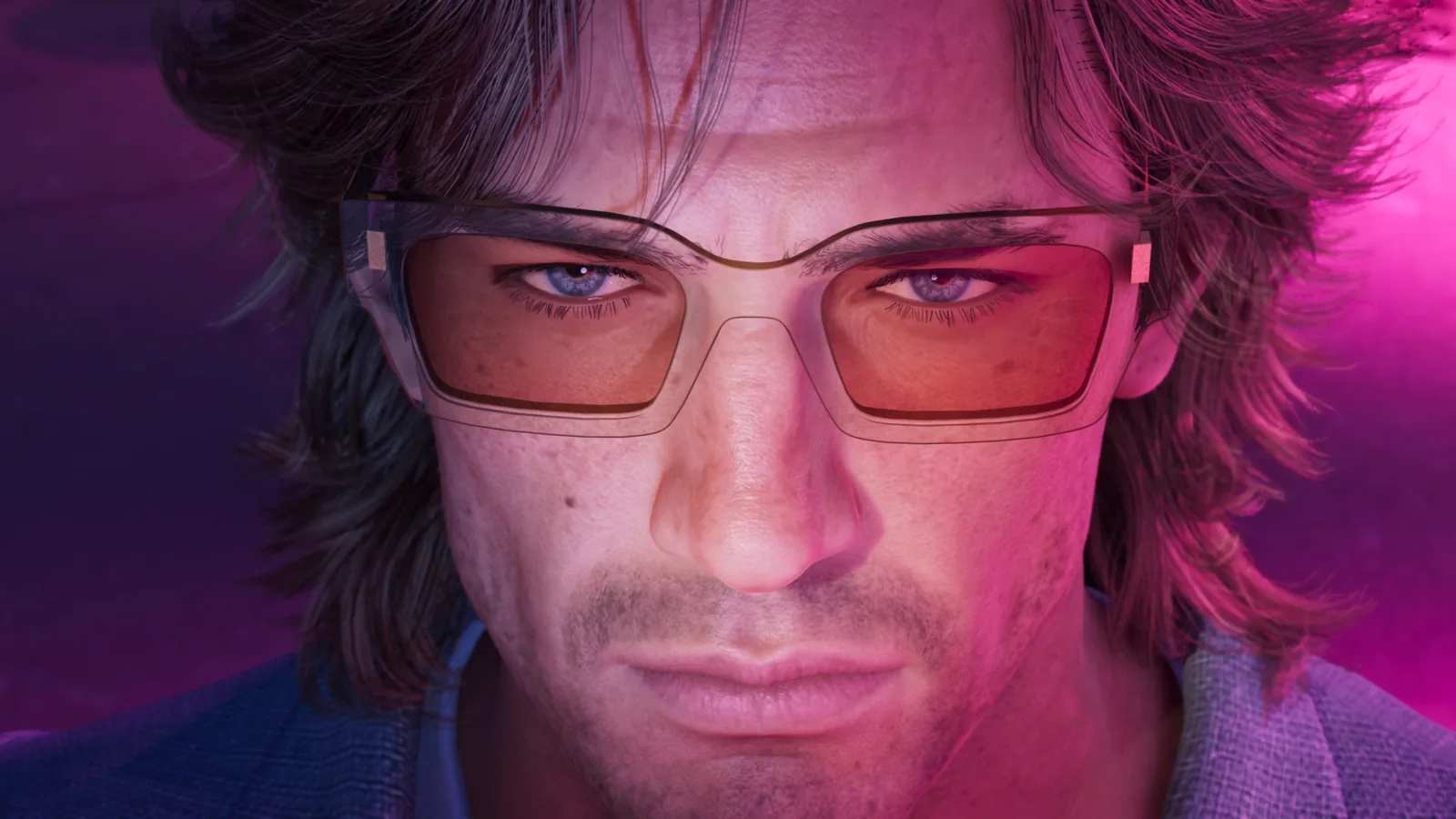
Digital Foundry’s analysis notes that GTA6’s hair technology marks significant progress:
- strand-based simulation that supports straight, wavy, and curly hair.
- realistic light transport and secondary motion, so strands follow with a delay and spring back naturally.
- Both leads and a large number of NPCs benefit, not just key characters.
Facial performance is finer as well, with a big improvement in how skin diffuses and reflects light, allowing for richer shifts in expression. These advances make characters more convincing in close-up interaction and in cutscenes.

Animation Meets AI: From Playing to Reacting
GTA6’s animation system does not run in isolation; it is bound tightly to NPC AI:
- Characters produce different reaction animations depending on the weapons they carry, their clothing, and their behavior.
- When players switch between the two leads, the character not under control has separate waiting and following animations.
- Interactive actions (petting an animal, greeting someone, threatening them) each have their own dedicated animation library.
At the same time, the system keeps the long-standing RAGE engine trait in animation update cadence (a slight unevenness between frames). It shows up in GTA5 and Red Dead Redemption 2 as well and is inherent to the engine.
Technical Comparison with Previous Games
| Technical Area | GTA5 | Red Dead Redemption 2 | GTA6 |
|---|---|---|---|
| Total animations | 55,000 | 300,000 | 600,000+ |
| NPC creation | Templates + procedural | High-density handcrafted | Individual art direction + dedicated team |
| Soft tissue physics | Limited | Stronger | Real-time physics bones |
| Hair tech | Single mesh | Improved | Strand-level simulation |
| AI integration | Basic | Deep | Deeper, supports wanted and interaction systems |

Design Significance and Challenges
Behind 600,000 animations is Rockstar’s drive to build a world that is truly alive. It turns passersby into individuals with personality, reactions, and memory rather than background dressing. Along with the wanted system (which recognizes clothing and appearance), the two-lead relationship, and changing body states, animation tech feeds directly into immersion and gameplay depth.
The challenges are just as real: an animation library this large places enormous demands on memory, streaming, and real-time blending. Rockstar addresses them through continuous RAGE engine optimization and a dedicated toolchain, and has stated plainly that the game does not use generative AI content; all animations are the product of human creation combined with motion capture.
Summary
GTA6’s animation tech is built on more than 600,000 animations, individually art-directed NPCs, real-time soft-tissue physics, and strand-level hair, marking another leap forward from GTA5 to Red Dead Redemption 2. It is not just that things look smoother; character behavior, body reaction, and interaction with the world all reach a new level of realism.
After launch, players will feel the difference this animation system makes at every street corner, in every conversation, and in every chase across Leonida. On November 19, 2026, a system the studio calls its most complex animation framework to date will face players’ judgment for real.