Guides · World
GTA6 Animal Ecology: The Living Nature of Leonida
GTA6 sets its stage in the Florida-inspired state of Leonida, and animal ecology is a major part of building immersion. The trailers and official screenshots have already shown a range of native species, from swamp alligators to coastal sharks, from city strays to panthers in a national park, together sketching an open world that feels closer to the real thing and holds more potential for interaction.
On this page
GTA6 sets its stage in the Florida-inspired state of Leonida, and animal ecology is a major part of building immersion. The trailers and official screenshots have already shown a range of native species, from swamp alligators to coastal sharks, from city strays to panthers in a national park, together sketching an open world that feels closer to the real thing and holds more potential for interaction.
Confirmed Signature Species
Alligator
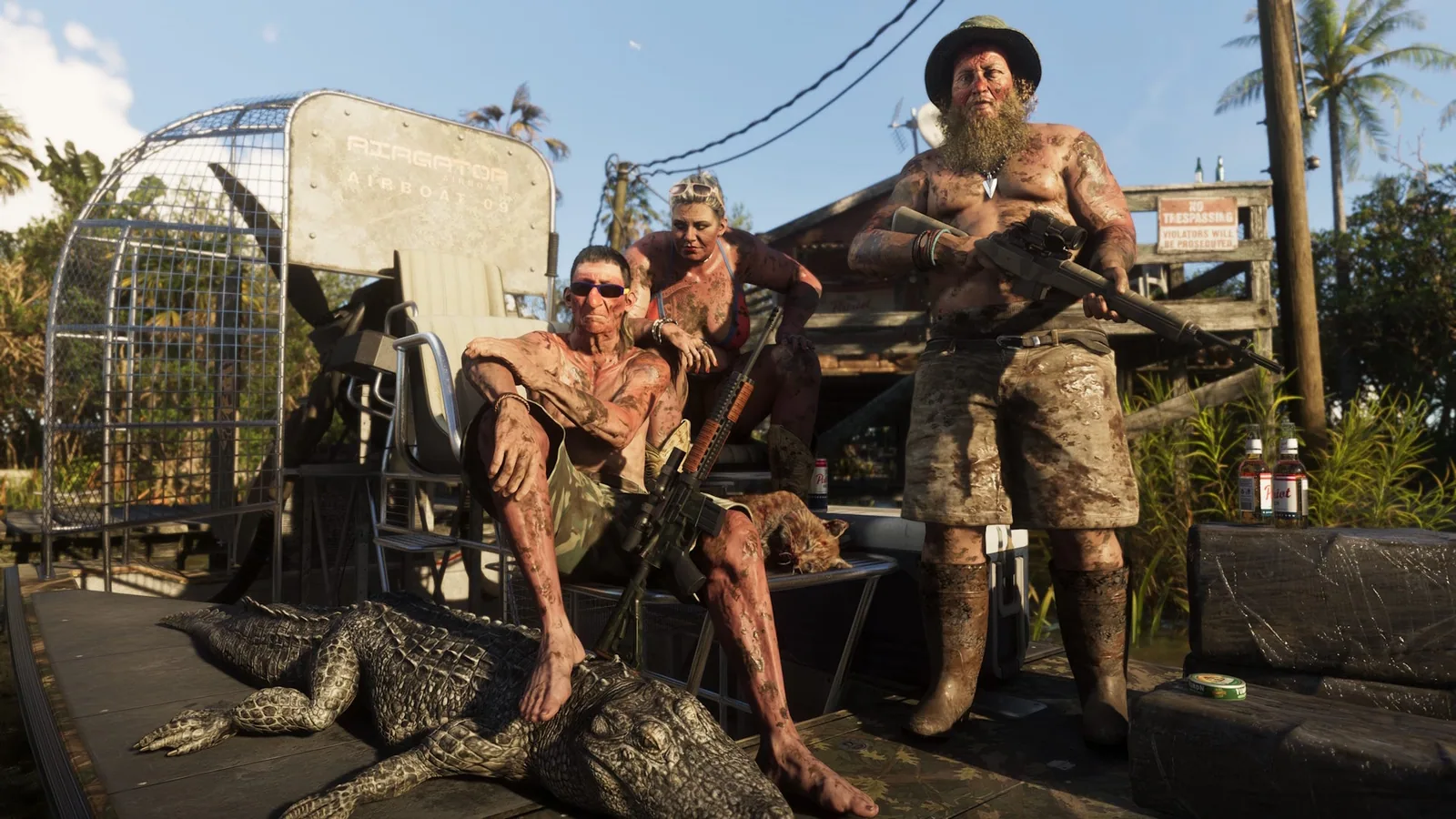
The most emblematic animal of the bunch. Trailer 1 shows animal control officers removing an alligator from a residential swimming pool, while Trailer 2 and official Grassrivers images show them turning up in shallows, swamps, and areas where people live. One alligator even walks into a convenience store, echoing the real-world absurdity of Florida Man headlines. The Leonida state seal also uses an alligator attacking a person as an element, underlining its status as a symbol of the region.
Marine Life
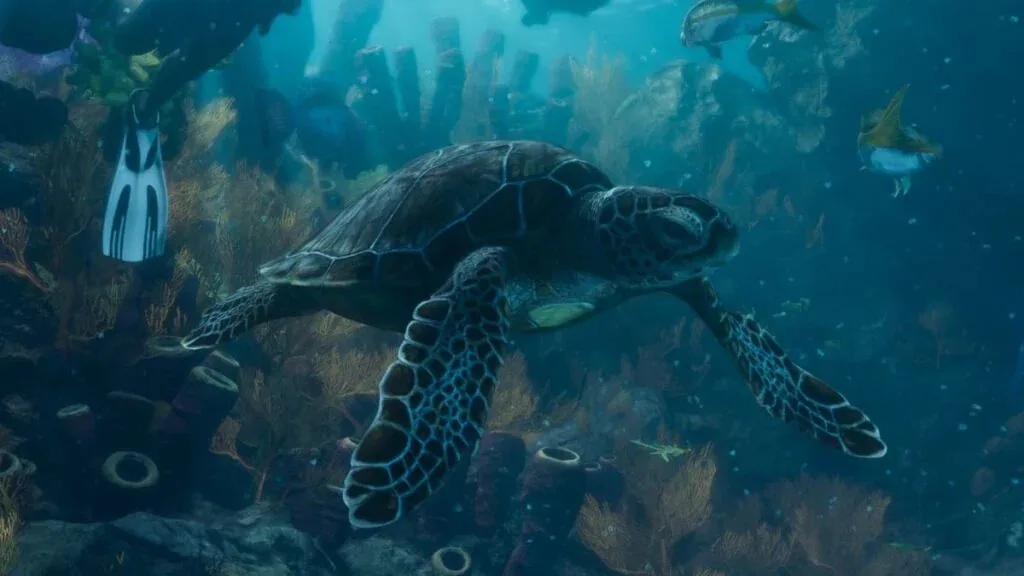
Along the coast and in the waters of the Keys, the dorsal fin of a tiger shark (or a similar large shark) cuts the surface, alongside sea turtles, dolphins, and more. Underwater screenshots show sea turtles in close detail, hinting at an explorable aquatic ecosystem. These creatures reinforce Leonida’s geography as a coastal, island state.
Birds
Flamingos appear in wetland scenes, while pelicans, seagulls, and ducks show up frequently along the coast and in the marshes. Most of them serve as ambient wildlife, but their numbers and the detail of their behavior are clearly a step above previous games.
Land Mammals
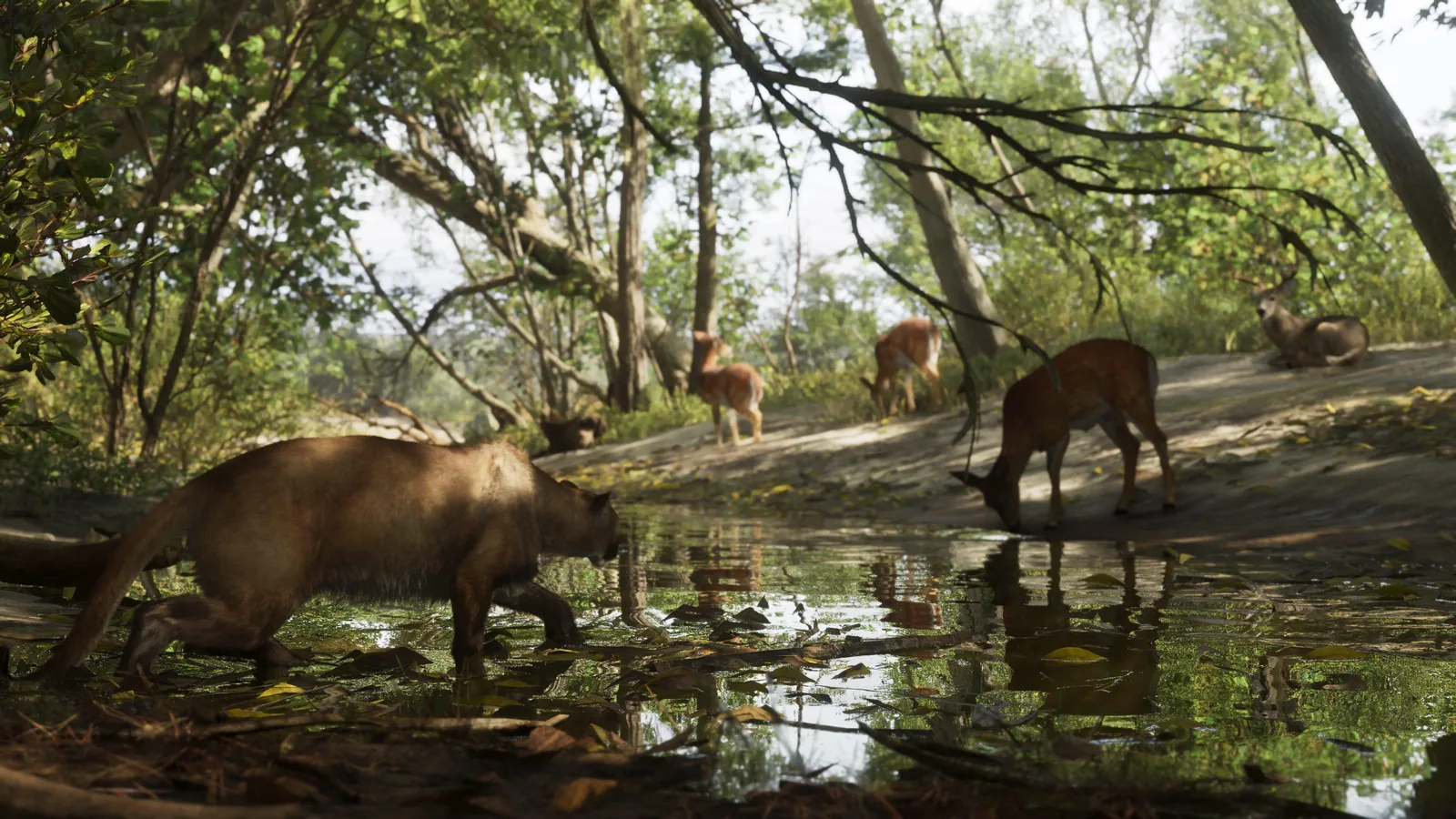
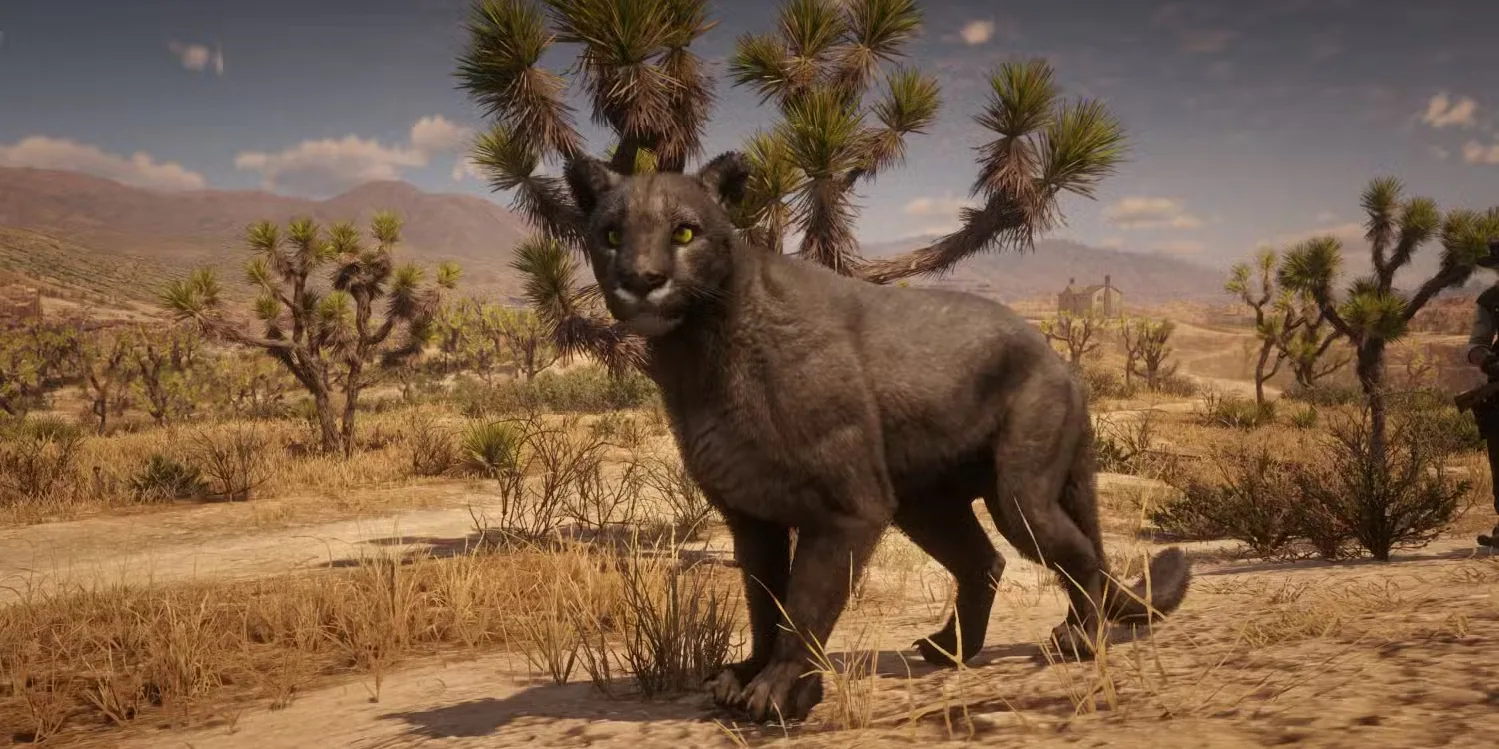
Official screenshots and analysis confirm white-tailed deer, the Florida panther, and wild boar, among others. Panthers are mostly found in Mount Kalaga National Park and deep forest areas, where they exist as apex predators. Deer are common in forests and parks, rounding out a more complete food chain.
Urban and Suburban Animals
Dogs (both walked and stray), cats, raccoons, iguanas, and squirrels have also appeared. A pet python can be seen in Jason and Lucia’s home, showing that some animals exist as pets or interior fixtures.
Ecological Distribution and Regional Differences
Animals are not scattered at random. They are tied closely to map regions:
- Grassrivers: core habitat for alligators, water birds, and wetland mammals.
- Leonida Keys: dolphins, sea turtles, sharks, and tropical birds.
- Mount Kalaga National Park: forest species such as deer, panthers, and squirrels.
- Vice City and the suburbs: stray cats, dogs, raccoons, city birds, and the occasional alligator that wanders in.
This zoning gives each environment its own natural atmosphere and makes exploration more distinctive.
Comparison with Previous Games and System Potential
GTA5 already had deer, coyotes, sharks, and dolphins, but interaction was limited. Red Dead Redemption 2 built a deep system of hunting, study, and ecological interaction. GTA6 appears to be looking for a balance between the two: keeping the pace of an urban crime game while raising the density and believability of wildlife.
Confirmed interactions so far include:
- Animals enter areas where people are active (pools, stores).
- Underwater and surface creatures have the potential to attack or chase (sharks).
- Some animals work as environmental threats or atmosphere.
Whether a full hunting system, an animal study compendium, or tameable pets exist, the studio has not explained in detail, but the community widely expects some Red Dead Redemption 2 mechanics to carry over.
Immersion and Design Intent
Rockstar uses its animal ecology to reinforce the theme of sunshine and danger coexisting. An alligator walking into a convenience store is both a joke and an exaggerated mirror of real Florida wildlife, while the panther in the national park reminds players that even in heavily urbanized Leonida, nature stays wild. Details like these turn the world into something more than a stage for NPCs and vehicles; it becomes an environment that is genuinely alive.
The animal models in trailers and screenshots carry a high level of detail and move naturally, suggesting dedicated behavior logic behind them rather than simple decoration. As launch approaches, more species and interactions are likely to be revealed in future official material.
Summary
GTA6’s animal ecology is headlined by the alligator and spans swamps, oceans, forests, and cities, forming a layered natural system. It serves atmosphere, and it may also play a real role in exploration, hunting, or random events. From the alligator in the convenience store to the sea turtles of the Keys, these creatures together make Leonida feel more real and more unpredictable.
Once the game launches, players will step into this sunlit, dangerous land themselves and share the open world with alligators, sharks, panthers, and its other residents.