Guides · Crime & Wanted
GTA6 Asset System Explained: Safehouses, Garages, and Money Management
The GTA series’ asset system has long been a major part of its open-world immersion, from Vice City’s purchasable properties to GTA5’s business empire and GTA Online’s varied real estate. GTA6 adjusts that tradition to fit Jason and Lucia’s “always on the run” story. Based on the official trailers, Extended Look footage, and reliable reports, here’s what is confirmed about asset mechanics so far.
On this page
The GTA series’ asset system has long been a major part of its open-world immersion, from Vice City’s purchasable properties to GTA5’s business empire and GTA Online’s varied real estate. GTA6 adjusts that tradition to fit Jason and Lucia’s “always on the run” story. Based on the official trailers, Extended Look footage, and reliable reports, here’s what is confirmed about asset mechanics so far.
Safehouses: Story-Driven, Not Freely Purchasable
Unlike previous entries, safehouses in GTA6 cannot be bought outright with money. Rockstar has said clearly that this is because the protagonists are constantly on the run, and fixed property purchases would not fit the narrative. Safehouses unlock automatically as the main story chapters progress, much like Red Dead Redemption 2’s camp system.
Confirmed or shown safehouses include:
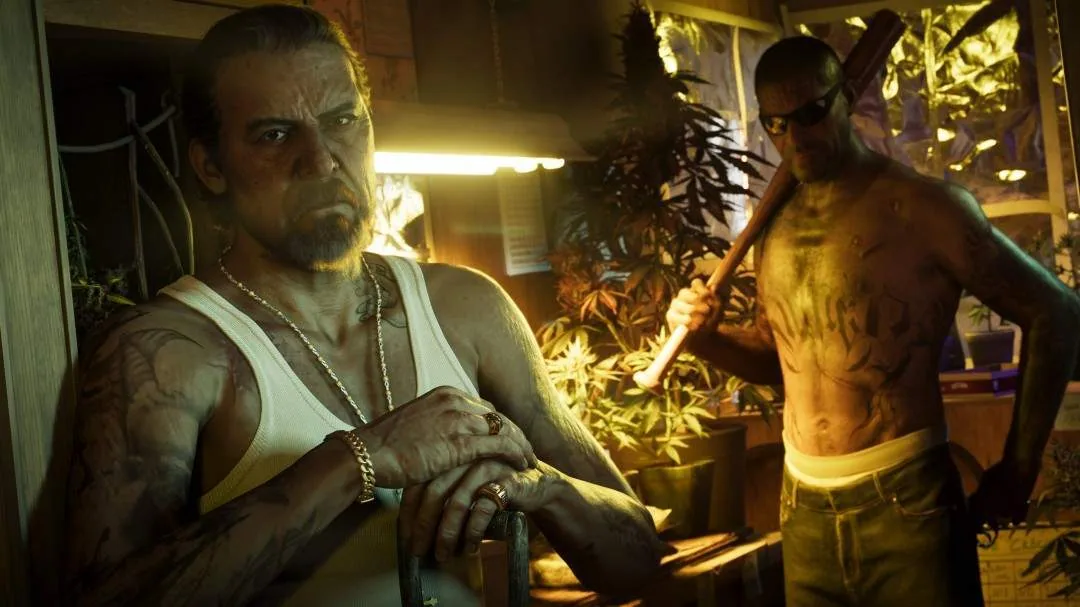
- Leonida Keys safehouse: Jason’s early home, provided by drug dealer Brian Heder. Rent-free, but he has to help collect debts.
- Starlet Motel: Located in Port Gellhorn, the room where Jason and Lucia stay together in the trailer.
- Other temporary hideouts unlocked through the story.
These safehouses are more interactive: you can eat, take out the trash, shave or fix your hair in the bathroom mirror, and characters go about their own schedules while players can switch control at any time. Both characters can share the same safehouse, which builds a more genuine sense of daily life.
Garages: Vehicle Storage You Can Buy
Unlike safehouses, garages can be purchased individually to expand your personal vehicle storage. The starting garage has limited capacity, and buying more lets you store more cars. Stolen vehicles can be placed in a garage first, but only become personal property once the tracker is removed and registration is complete.
High-value stolen cars cannot be registered at first; the ability unlocks through story progress. Garages also affect how much loot you can carry. A motorcycle can barely take on any extra load, while sedans, vans, and trucks can hold far more duffel bags.
Some garages are tied to specific editions:

- Shore Court Garage (pre-order bonus)
- Paradise Garage (Ultimate Edition exclusive, in Watson Bay)
Money and the Economy: A Three-Part Structure
GTA6’s money system is split into three forms, adding a noticeable amount of realism and risk:
-
Bank balance: Managed through the in-game BuckMe app. Safe and secure, and it is not lost on death.
-
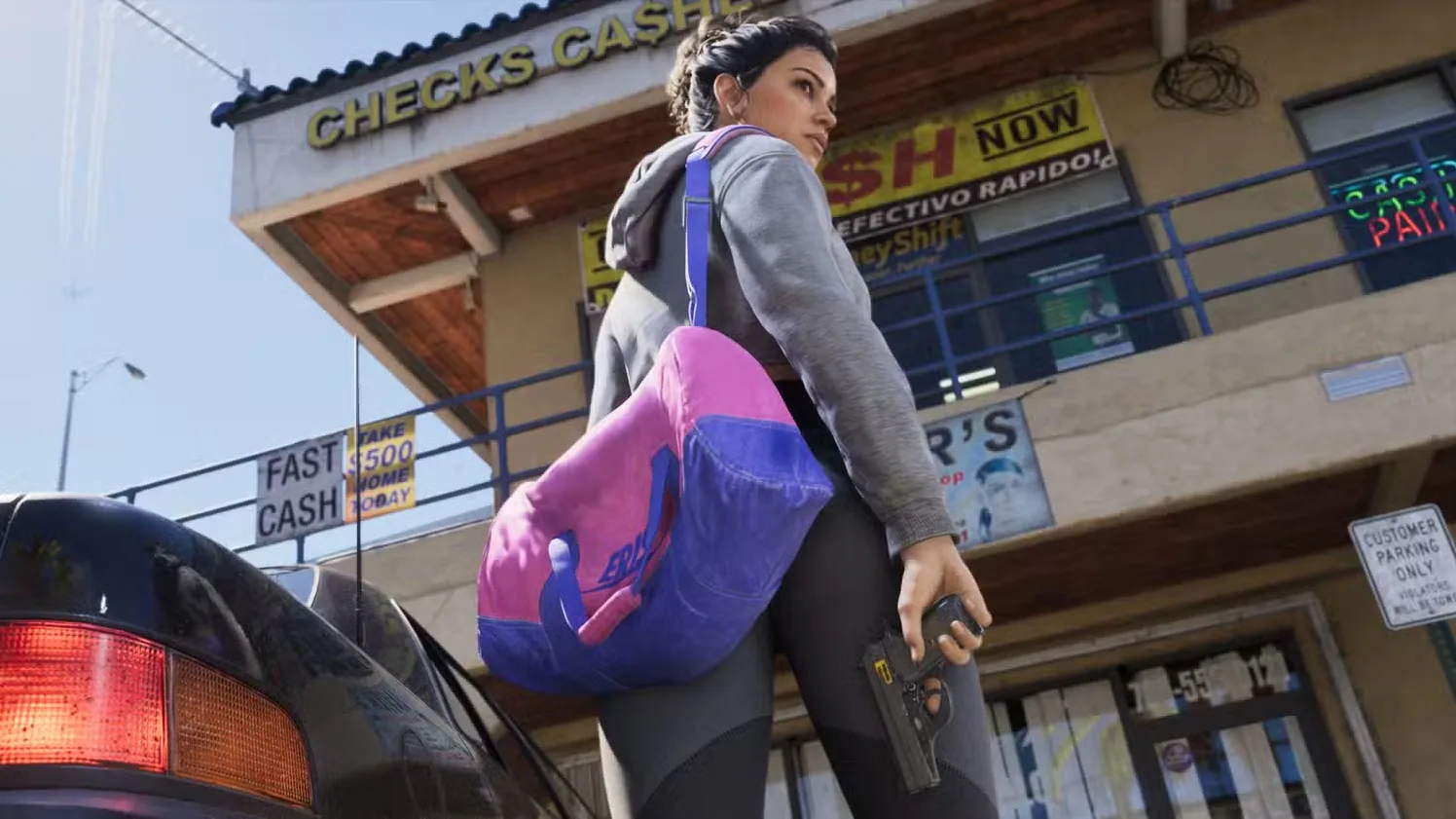
Cash on hand: Can be lost entirely when you die or get arrested, so it should be deposited at an ATM as soon as possible.
-
Duffel bag loot: Robbery proceeds (drugs, jewelry, cash, and more) have to be taken to a Fence to be turned into money, and different fences specialize in different goods.
The design pushes players to manage their assets carefully, avoiding a situation where one death wipes them out. Several points in the main story require raising a specific amount of money before you can move on, which gives money more narrative weight than in previous games.
Businesses and Passive Income: Not Yet Confirmed
There is currently no official confirmation of business assets in single-player that can be bought and run for passive income, such as nightclubs, dealerships, or cinemas. Character backgrounds do mention that Boobie Ike owns real estate and a recording studio as part of a “legitimate empire,” but that is an NPC detail and does not mean players can replicate it.
The series’ history, especially Vice City and GTA5, has left players expecting a business system, but Rockstar has stayed quiet on it so far. More likely, that kind of deep asset management is being held back for the online mode.
Comparison with Previous Games
| Item | GTA5 / Online | GTA6 (Confirmed) |
|---|---|---|
| Safehouse purchases | Purchasable | Not purchasable, unlocked with the story |
| Garages | Partly tied to properties | Purchasable separately, expands vehicle storage |
| Money forms | Single currency | Split into bank / cash / loot |
| Business passive income | Yes (single-player and Online) | Not confirmed for single-player |
| Safehouse interactions | Basic saving and outfit changes | More lifelike, with schedules and detailed interactions |

Summary
GTA6’s asset system leans harder into narrative consistency and a sense of risk. Safehouses are no longer homes you buy at will but temporary bases on the run; garages become practical assets worth investing in; and money is split into several risky forms. The design asks players to be more strategic as they build wealth, and it carries the “always on the run” theme through the entire game.
Whether a business empire and large-scale property management will appear in single-player is still waiting on launch or later updates. What is confirmed for now is that asset management will sit closer to the characters’ circumstances than ever before, and be more challenging. After November 19, 2026, players will get to experience this more “realistic” asset system for themselves.