Guides · Systems
GTA6 Pedestrian AI: From Backdrop to Citizens That Breathe
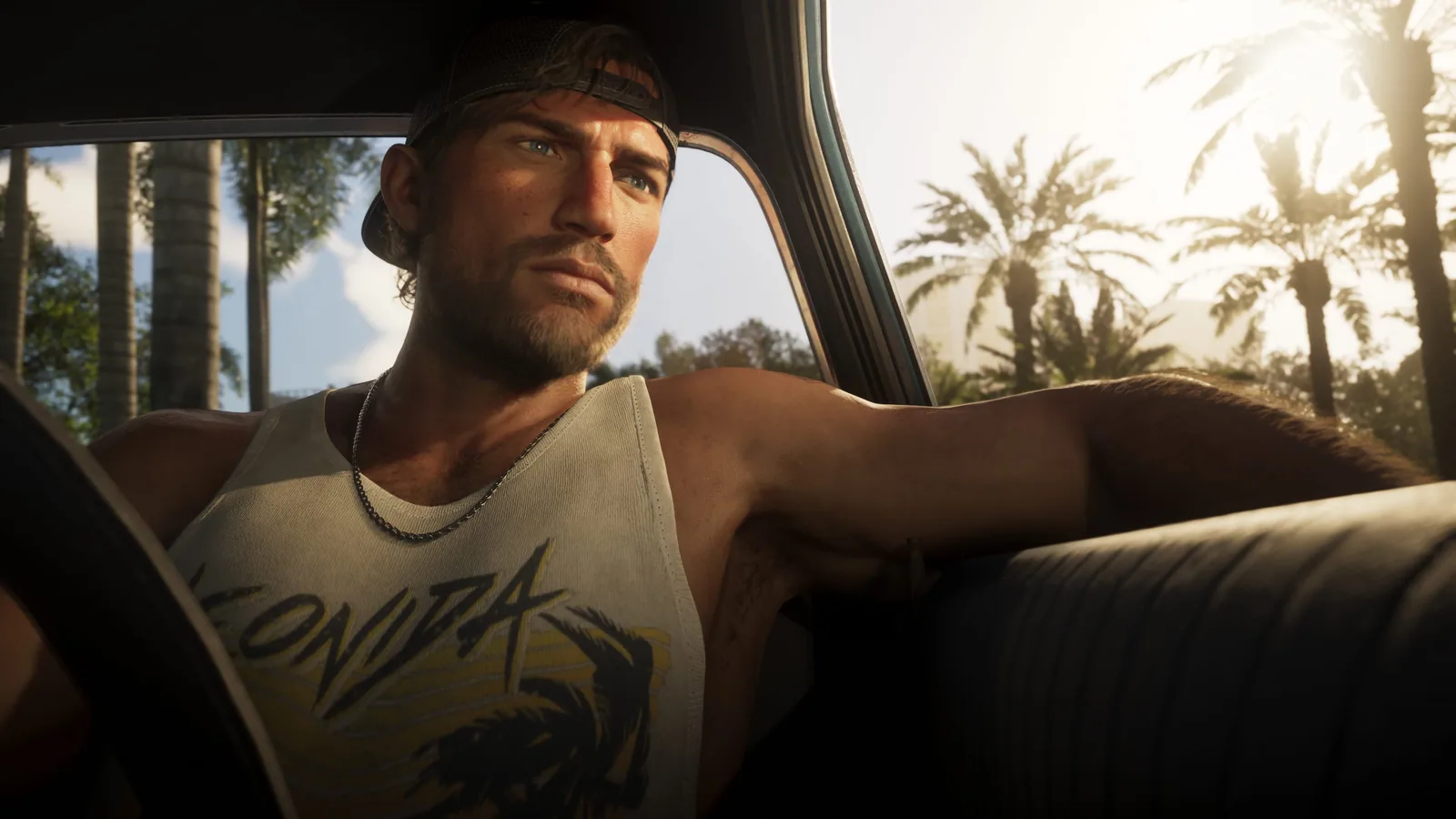
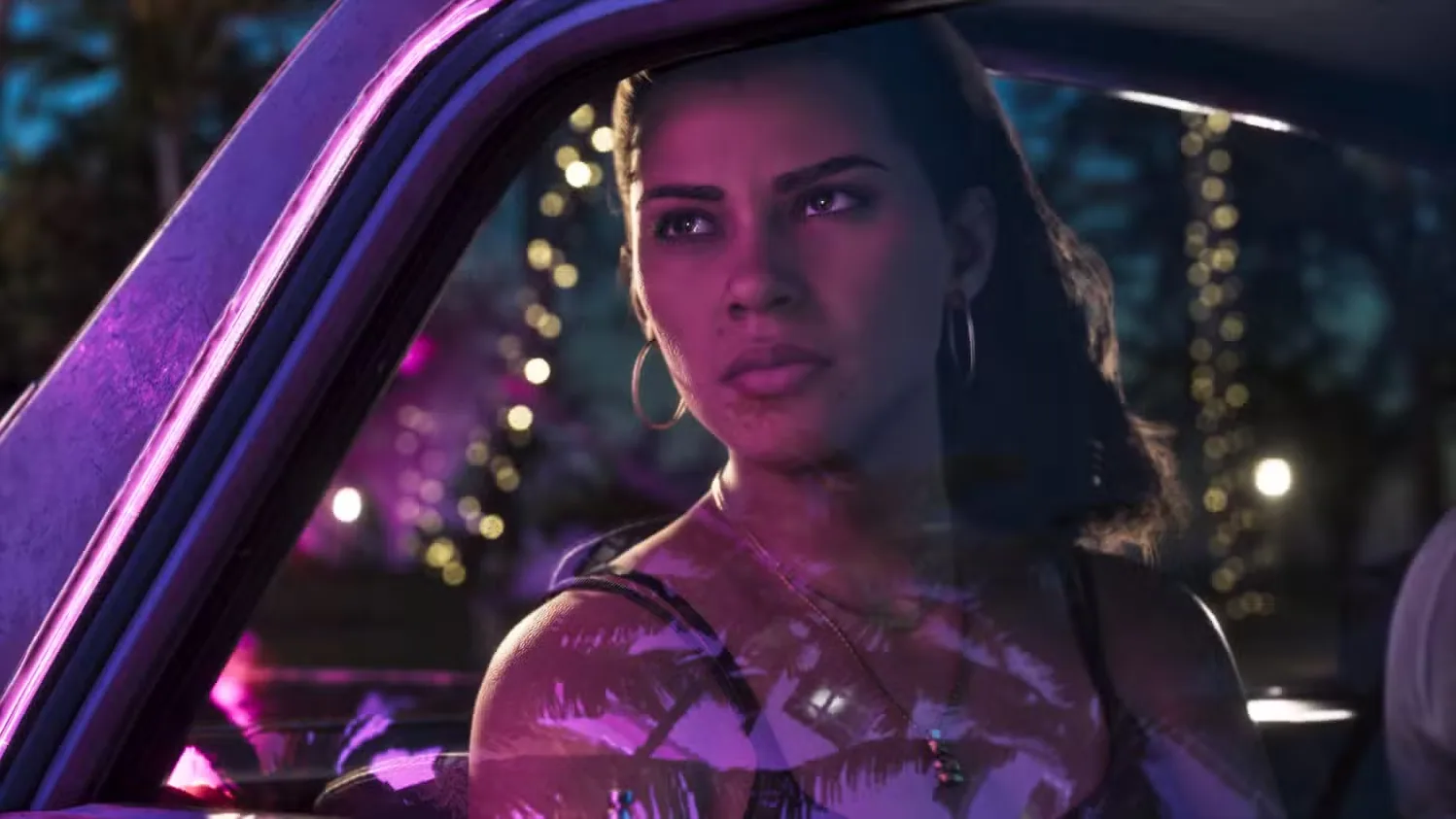
GTA6’s pedestrian (NPC) system is one of the most closely watched technical upgrades in the series to date. Rockstar has said its goal is to make Leonida’s population “look, move, interact, and express themselves more naturally,” and it set up a dedicated Los Angeles team to art-direct every pedestrian. Based on official interviews and Extended Look footage, here is what is confirmed about the core advances in pedestrian AI.

On this page
GTA6’s pedestrian (NPC) system is one of the most closely watched technical upgrades in the series to date. Rockstar has said its goal is to make Leonida’s population “look, move, interact, and express themselves more naturally,” and it set up a dedicated Los Angeles team to art-direct every pedestrian. Based on official interviews and Extended Look footage, here is what is confirmed about the core advances in pedestrian AI.
1. Unprecedented Variety and Density
Officially, GTA6 has more than 600,000 unique NPC animations, over ten times as many as GTA5 and double Red Dead Redemption 2.
Key improvements include:
- Wide body variation: Height, weight, and age ranges are noticeably broader.
- Dynamic animation retargeting: When NPCs of different builds share animations, the system adjusts in real time so that fighting, riding in cars, and interacting with the environment all line up naturally.
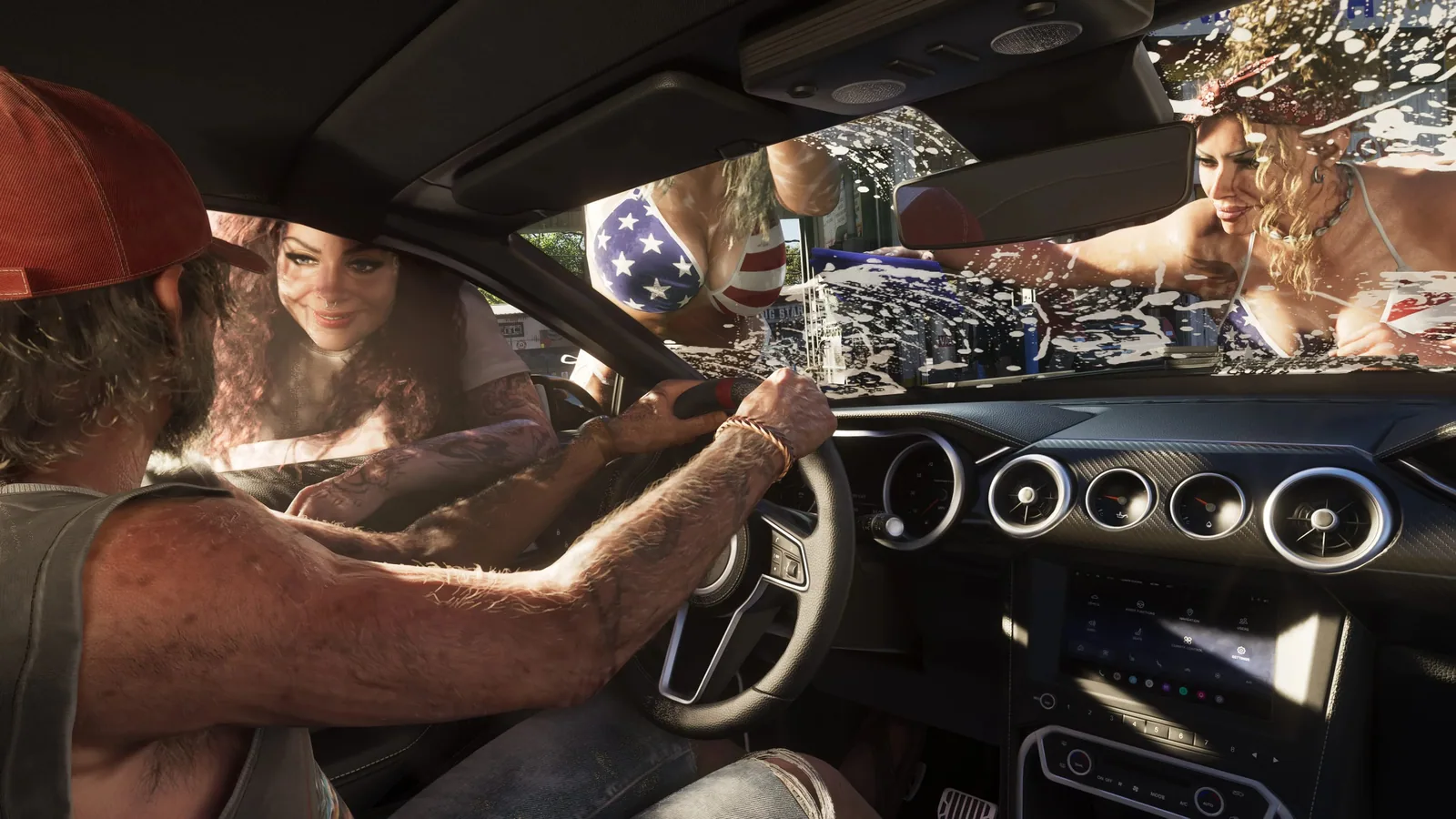
- Regional differences: Residents of Little Cuba dress and look clearly different from people near Mount Kalaga National Park. The population is no longer a single template applied across the whole map.
The Los Angeles team designs these characters one by one, weighing everything from tattoos and piercings to signs of cosmetic surgery individually.

2. Pedestrians That Actually React
In previous games, if you walked down the street with a gun drawn, most pedestrians just screamed and ran. GTA6 changes that logic:
- Openly carrying a gun gets noticed: Pull out a rifle on the street and people around you will dodge, comment, and even call the police.
- Active interaction: The Greet/Antagonize system from Red Dead Redemption 2 returns and is expanded, letting players greet, taunt, or calm people down.
- Contextual reactions: NPCs respond differently depending on whether they witnessed a crime, the weather, the time of day, and their own mood. Some may fight back instead of always running.
- Pet interactions: You can pet, scold, or observe dogs, which may affect your criminal record rating.
The developers stress that the world no longer treats the player as an “invisible god” but actively pushes back.
3. Crowds and Daily Simulation
The Extended Look showed high-density scenes: packed beaches, nightclubs, and streets. Pedestrians have clearer daily routines, such as walking, riding scooters, doing yoga, and chatting.
While Rockstar has not detailed a full schedule system or long-term memory yet, it has confirmed:
- Pedestrians show different activities based on region and time.
- Animations and behaviors persist better; characters do not abruptly vanish or reset when they leave and re-enter the player’s view.
- Interiors are carefully staged too. Who sits where, what they are drinking, and what marks are left on the table are all designed.
Some AI programmers in the industry have even said Rockstar’s crowd technology is “at least a decade ahead of the industry,” because every character is a genuinely simulated individual rather than a looping background animation.
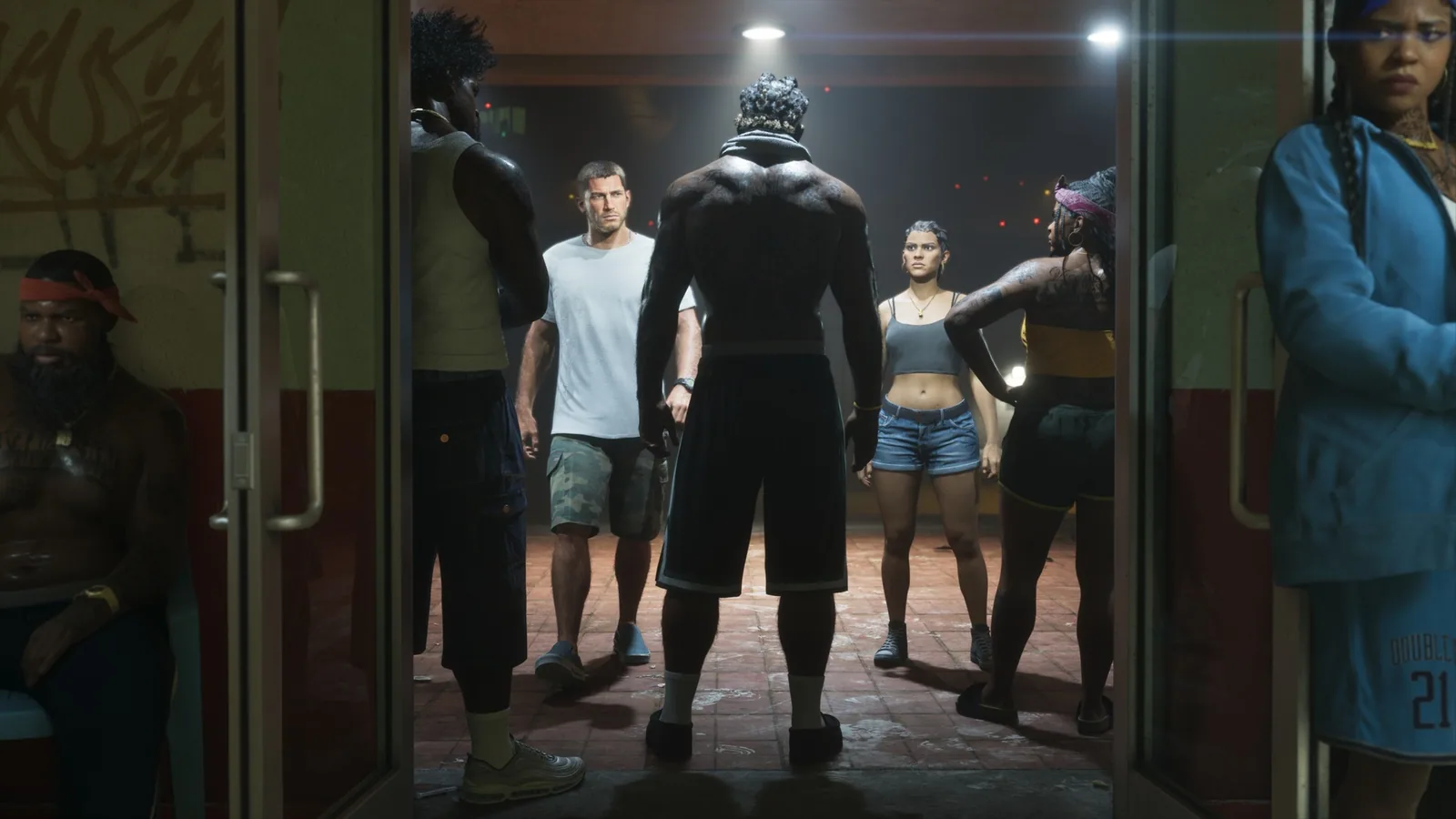
4. Ties to the Wanted System
Pedestrian AI feeds directly into the new wanted mechanics:
- Crimes only get reported if someone witnesses them or an alarm is triggered.
- Police record features such as clothing, face, and vehicle.
- Pedestrians act as witnesses, which turns destroying evidence or avoiding witnesses into a tactical choice.
That makes every street-level confrontation more strategic.
Comparison with Previous Games
| Item | GTA5 | GTA6 (Confirmed) |
|---|---|---|
| Animation count | About 55,000 | More than 600,000 |
| Body variety | Limited | Significantly expanded, dynamic retargeting |
| Reaction to guns | Mostly flee | Noticed, commented on, reported to police |
| Active interaction | Minimal | Strengthened Greet/taunt/calm system |
| Regional differences | Weak | Population clearly customized by region |
| Dedicated team | No dedicated team | Los Angeles team focused on pedestrian design |
Design Philosophy
Aaron Garbut, co-head of Rockstar North, said: “Every room in the game has had someone think about it: who is sitting where, what they are drinking, what marks they are leaving on the table.” That pursuit of extreme detail is meant to make Leonida feel like a place people actually live in, not an empty playground built for the player.
Rob Nelson added that after the sparse but high-fidelity interactions of Red Dead Redemption 2, the team kept imagining “what if we put that same fidelity into a dense modern environment.” GTA6 is that idea realized.
Summary
GTA6’s pedestrian AI comes down to variety, reactivity, and detail. From 600,000 animations and dynamic body adaptation to guns drawing attention and active interaction, Rockstar has turned background pedestrians into a key part of what makes the world feel real. The full depth of the memory and long-term schedule systems still needs post-launch verification, but what has been shown is already enough to prove that Leonida’s citizens feel more like living people than ever before.
On November 19, 2026, players will walk among these virtual citizens who observe, react, and express themselves, in the most alive open world the series has produced.