Guides · Systems
GTA6 Clothing System: From Outfit Swaps to Wanted-Level Disguises, a Full Fashion Ecosystem
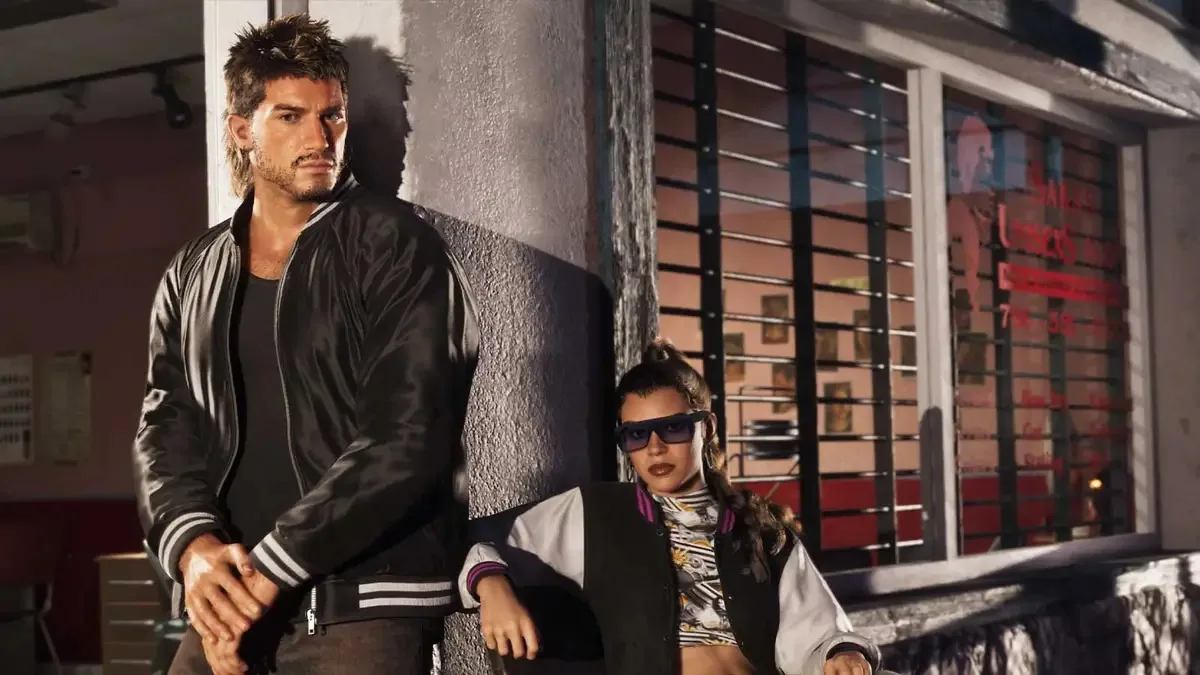
GTA6’s clothing system is one of the most prominent character-customization features the series has had to date. Jason and Lucia change outfits constantly across trailers and official screenshots, and dynamic cloth physics, wanted-system integration, and ties to body condition add up to a fashion framework with more depth than anything in previous entries.
On this page
GTA6’s clothing system is one of the most prominent character-customization features the series has had to date. Jason and Lucia change outfits constantly across trailers and official screenshots, and dynamic cloth physics, wanted-system integration, and ties to body condition add up to a fashion framework with more depth than anything in previous entries.
Two Separate Wardrobes
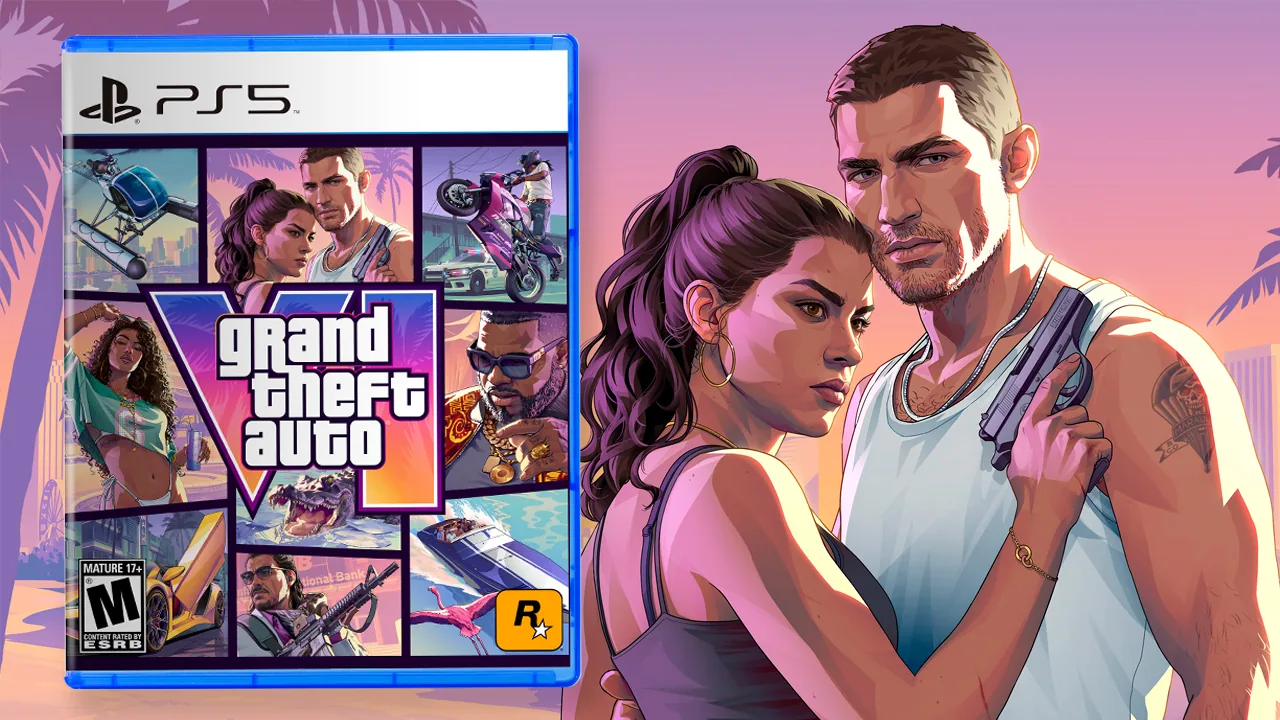
Jason and Lucia have their own separate clothing libraries, each with a distinct style:
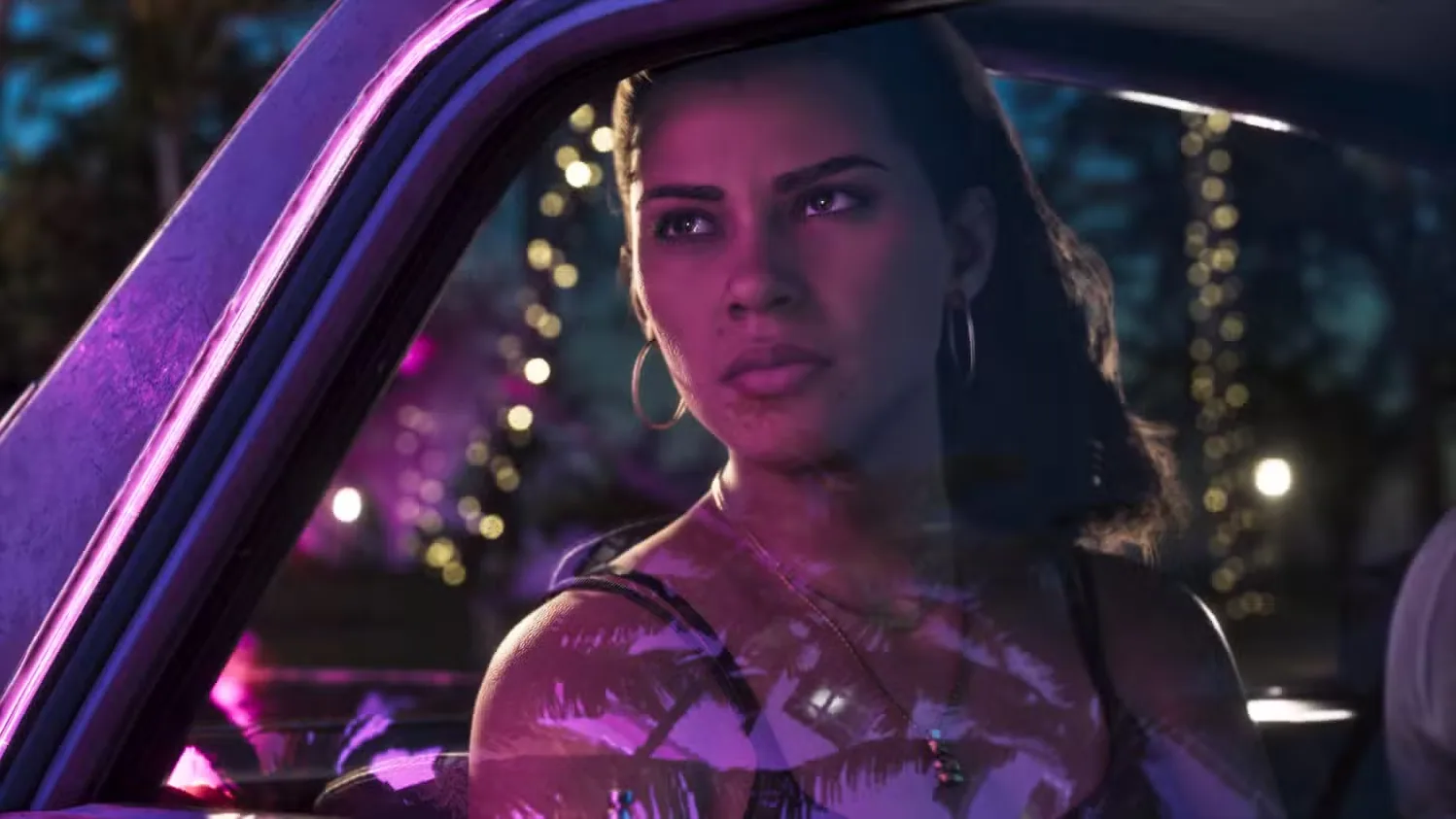
- Lucia: bold and loud. Crop tops, leather jackets, sequined dresses, athletic wear and street style, built around confidence and aggression.
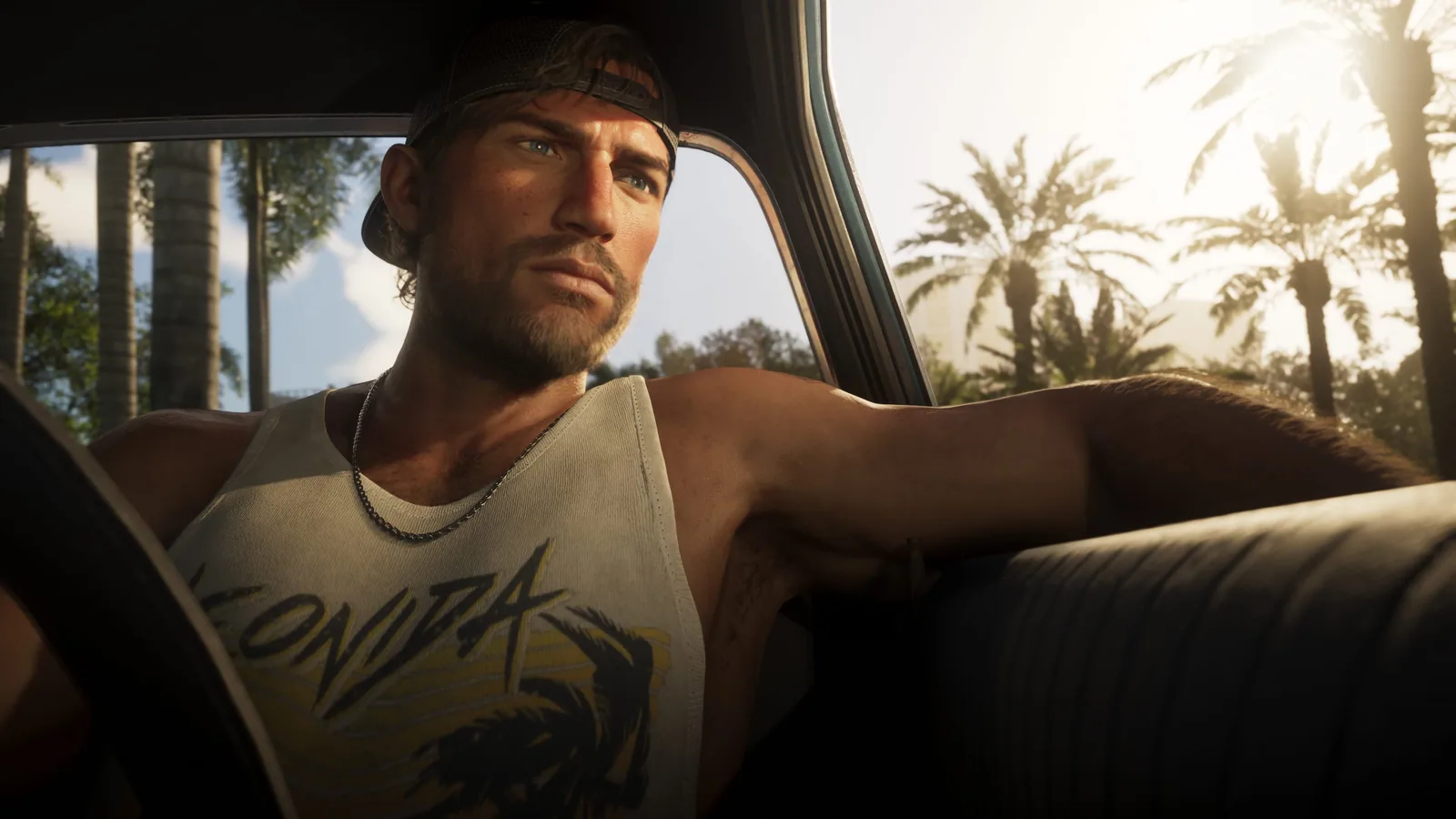
- Jason: laid-back Florida style. Beach tanks, printed shirts, work pants, shorts and the occasional suit, reflecting a character who “wants an easy life but never gets one.”
Either character can change on their own, and during relationship interactions they can comment on or suggest outfits to each other (Lucia asking Jason’s opinion while trying something on, for instance). It reinforces the everyday feel of a couple as the leads.
Dynamic Cloth and Realism
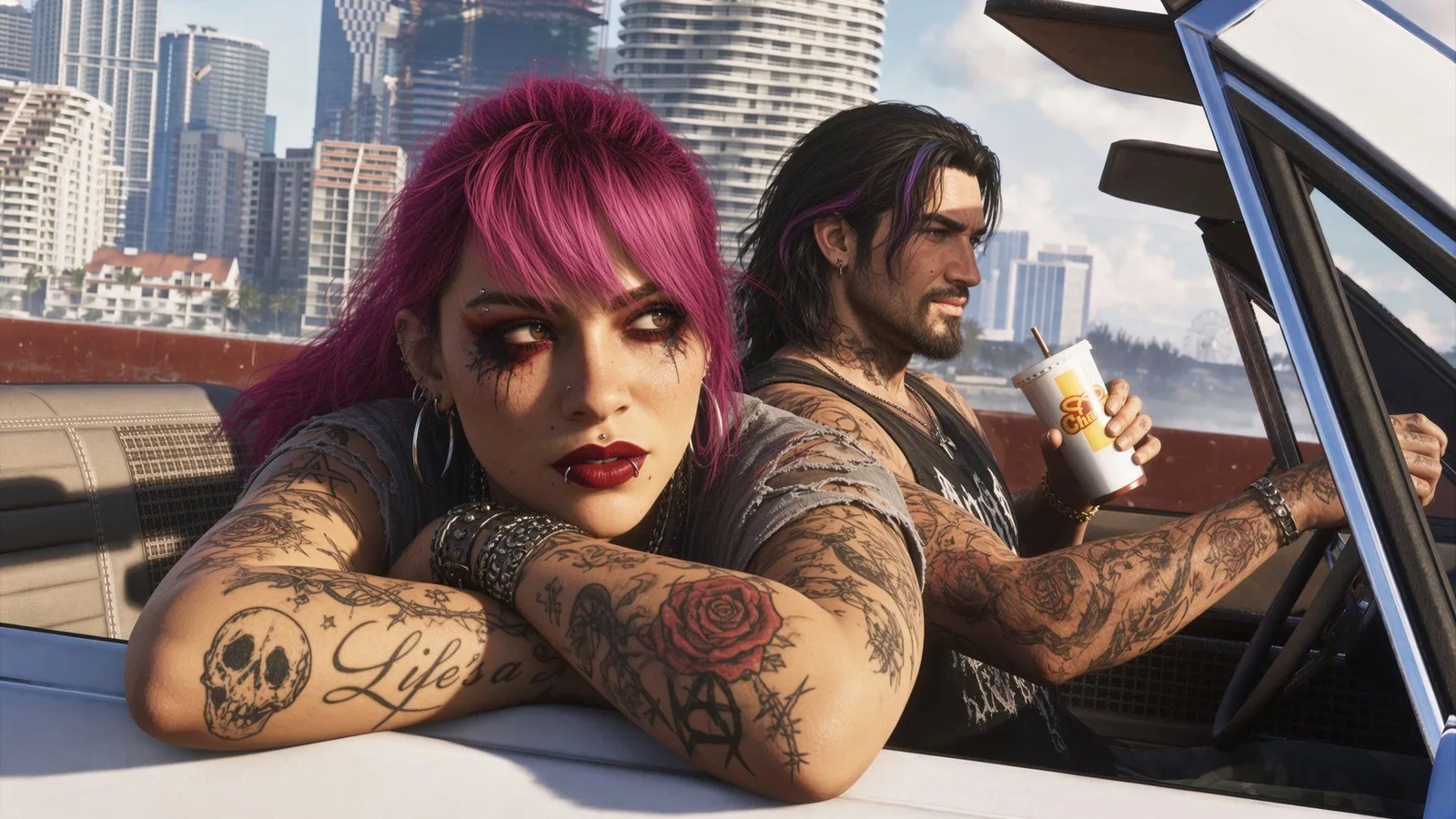
Clothing is no longer a simple texture swap. Official material shows:
- Fabric creases and sways naturally with movement, wind speed and how wet it is.
- Clothes pick up stains, sweat marks and wear over time.
- Entering water or getting caught in rain changes how clothing behaves.
That physical simulation turns changing outfits from a visual tweak into something immersive.
Clothing Tied Deeply to the Wanted System
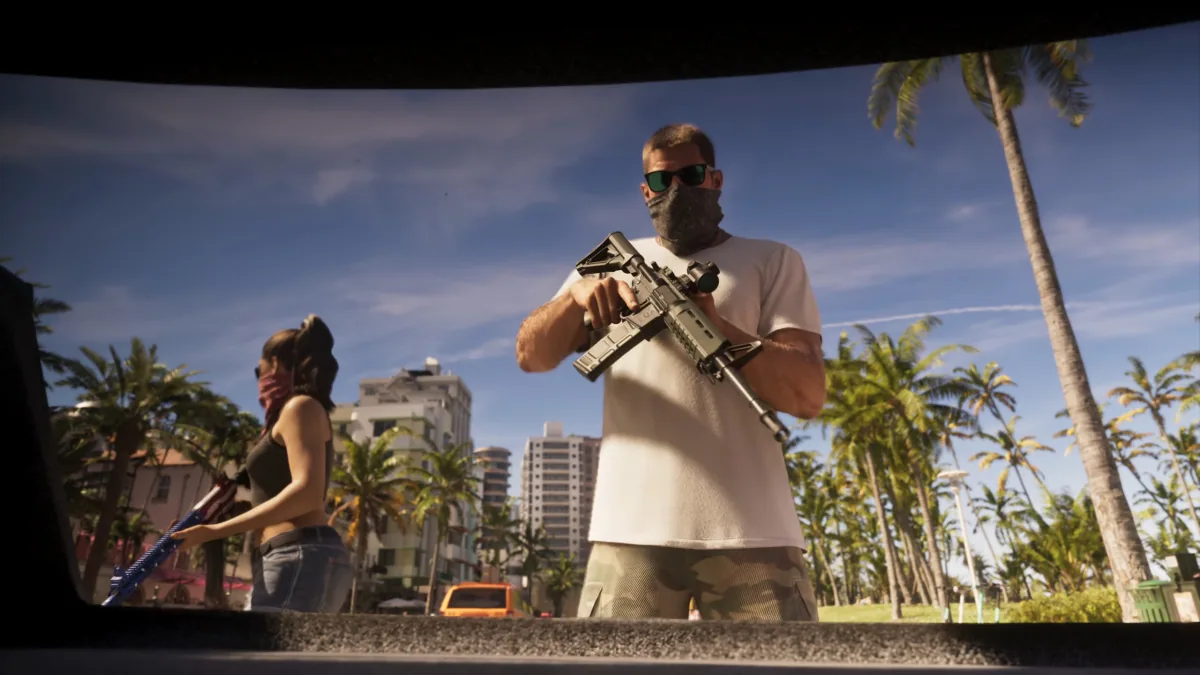
The new wanted system tracks the player’s clothing, face and vehicle. That means:
- Changing into a completely different outfit can meaningfully cut the odds of being identified.
- Openly carrying a gun or wearing something conspicuous draws attention from pedestrians and police faster.
- Disguises become part of an escape strategy rather than a purely cosmetic choice.
It’s the first time the series has tied clothing choices directly to core gameplay.
Shops and Customization Options
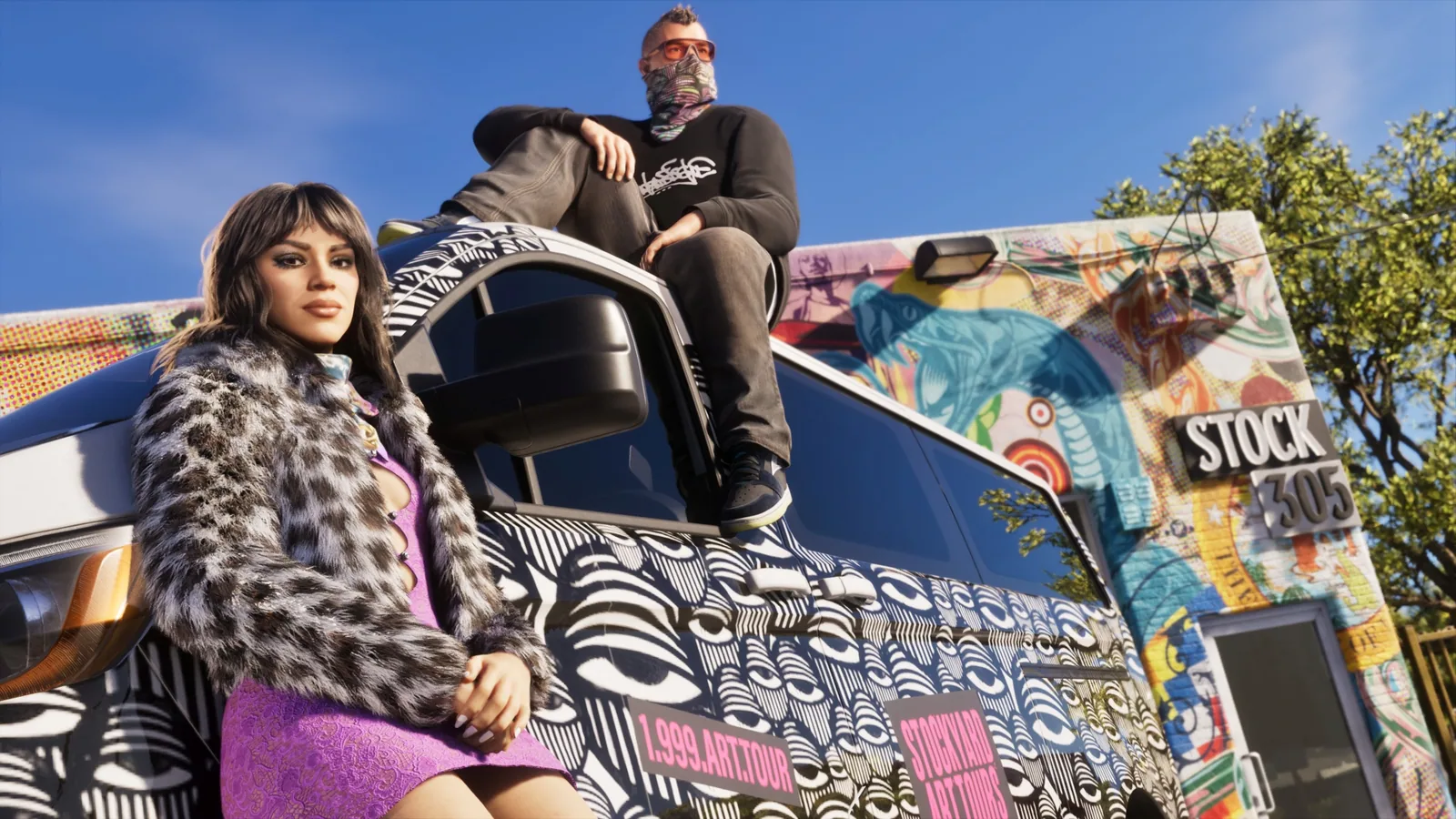
Leonida is home to several clothing stores, hair salons and tattoo parlors. The shops confirmed so far include:
- Stock 305: clothing store (some content tied to the Ultimate Edition)
- Sara’s Unisex Salon: hair and styling
- Electric Fang Tattoo: tattoo parlor
The base game already includes a large selection of clothing and hairstyles, while the Ultimate Edition adds exclusive shops and rare items. The pre-order Vintage Vice City Pack also includes retro-style clothing and hairstyles.
Players can mix and match at the item level (tops, bottoms, shoes and accessories chosen separately) and save multiple go-to outfits for quick switching.
Body Condition and Clothing
The clothing system is tightly bound to the character body simulation:
- Diet and exercise change physique (weight gain or muscle), and clothing sits differently as a result, fitting loosely or tightly.
- Long stretches on the run or skipped sleep leave a character’s face and clothes looking more worn and grimy.
- These changes keep affecting a character’s appearance until rest, cleaning up or a change of clothes resets them.
A Fashion Ecosystem and Brand Design
Rockstar brought in Miami stylists to work on the design, building a complete “fashion ecosystem.” Fictional brands, ads and store aesthetics reflect different regions, classes and subcultures, so clothing is not just self-expression but also a way for a character to fit into the world or push back against it.

Comparison with Previous Entries
| Item | GTA5 | GTA6 (confirmed) |
|---|---|---|
| Clothing variety | High | Significantly expanded; trailers already show a wide range of looks |
| Cloth physics | Limited | Dynamic simulation that reacts to environment and movement |
| Wanted-system link | Almost none | Clothing is one of the identification factors |
| Body condition effect | None | Weight, muscle and fatigue affect appearance |
| Separate wardrobes | One for each of the three leads | Two leads with their own, more distinct styles |
Why the Design Matters
The clothing system is no longer just a cosmetic add-on. It serves character building, gameplay strategy (disguises) and world immersion. Changing outfits lets players express themselves while practically affecting how police and pedestrians react, adding a layer of thinking to every time they step outside.
Summary
GTA6’s clothing system is built around two separate lead wardrobes, dynamic cloth physics, wanted-system disguises and interplay with body condition. From beach casual to hard streetwear, from a suit as a disguise to a filthy getup for life on the run, what you wear is both a style statement and a survival strategy.
After launch, players will get to feel it for themselves: in Leonida, what you wear isn’t just about how you look, it’s a key factor in whether the cops recognize you and whether strangers dare come near. The full shop lineup and the depth of customization arrive on November 19, 2026.