Guides · Systems
GTA6's New Interaction Systems: A More Believable World with Real Consequences
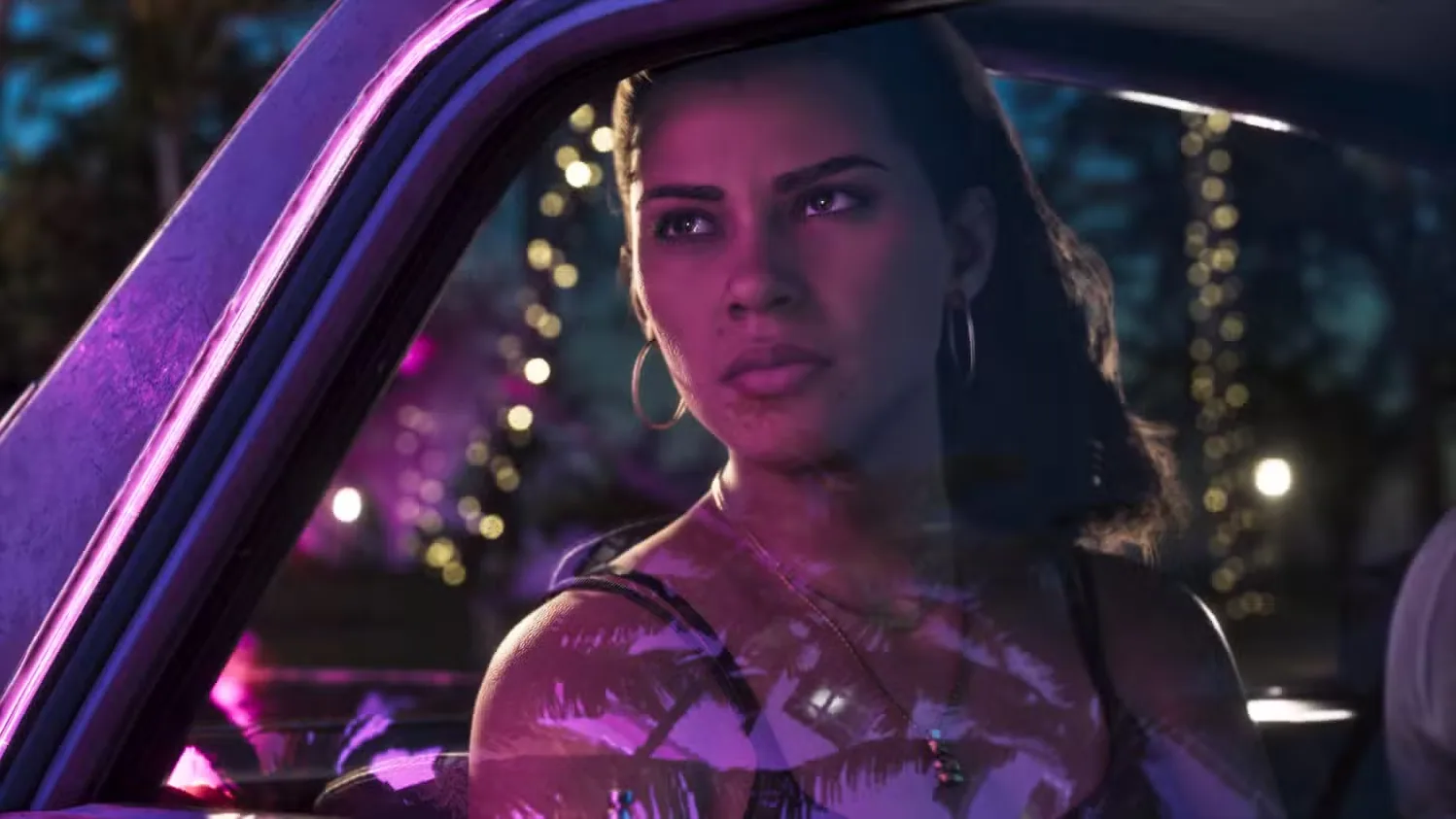
GTA6 delivers the biggest upgrade to interaction systems in the series' history. Rockstar is no longer satisfied with the old model in which players do whatever they like and the world passively absorbs it. Instead it has built a Leonida that watches, reacts and remembers. Below is a breakdown of the core new interaction mechanics confirmed so far, based on Extended Look gameplay and developer previews.
On this page
- 1. Real-Time Switching Between Two Characters and Relationship Interaction
- 2. A Deeply Reactive NPC Ecosystem
- 3. A Brand-New Wanted and Identification System
- 4. Simulating the Characters’ Bodies and Condition
- 5. Social and Environmental Detail Interactions
- Compared with Earlier Games
- Design Philosophy
- The Bottom Line
GTA6 delivers the biggest upgrade to interaction systems in the series’ history. Rockstar is no longer satisfied with the old model in which players do whatever they like and the world passively absorbs it. Instead it has built a Leonida that watches, reacts and remembers. Below is a breakdown of the core new interaction mechanics confirmed so far, based on Extended Look gameplay and developer previews.
1. Real-Time Switching Between Two Characters and Relationship Interaction
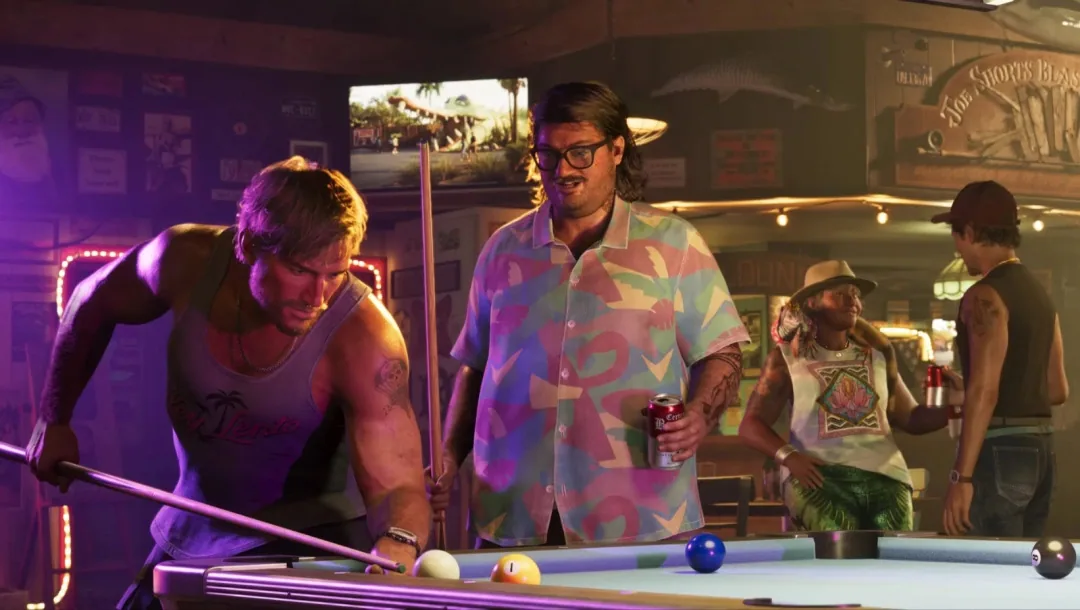
Jason and Lucia can be switched between seamlessly at any time, even inside the same car, where the roles of driver and shooter can be swapped instantly. Players can call the other character over to regroup, or send them off to act separately.
The Bond System adds an entirely new interaction layer:
- Exploring together, shopping, working out and robbing raise closeness.
- High closeness unlocks everyday actions such as holding hands and opening doors for each other.
- Whether the relationship is good or bad does not affect their function as crime partners, but it changes dialogue and some story beats.
It is the first time the series has turned couple routines into a playable system.
2. A Deeply Reactive NPC Ecosystem
Rockstar set up a dedicated Los Angeles team to art-direct NPCs one by one. The studio has confirmed the game includes more than 600,000 unique animations, over ten times as many as GTA5.
Key changes include:
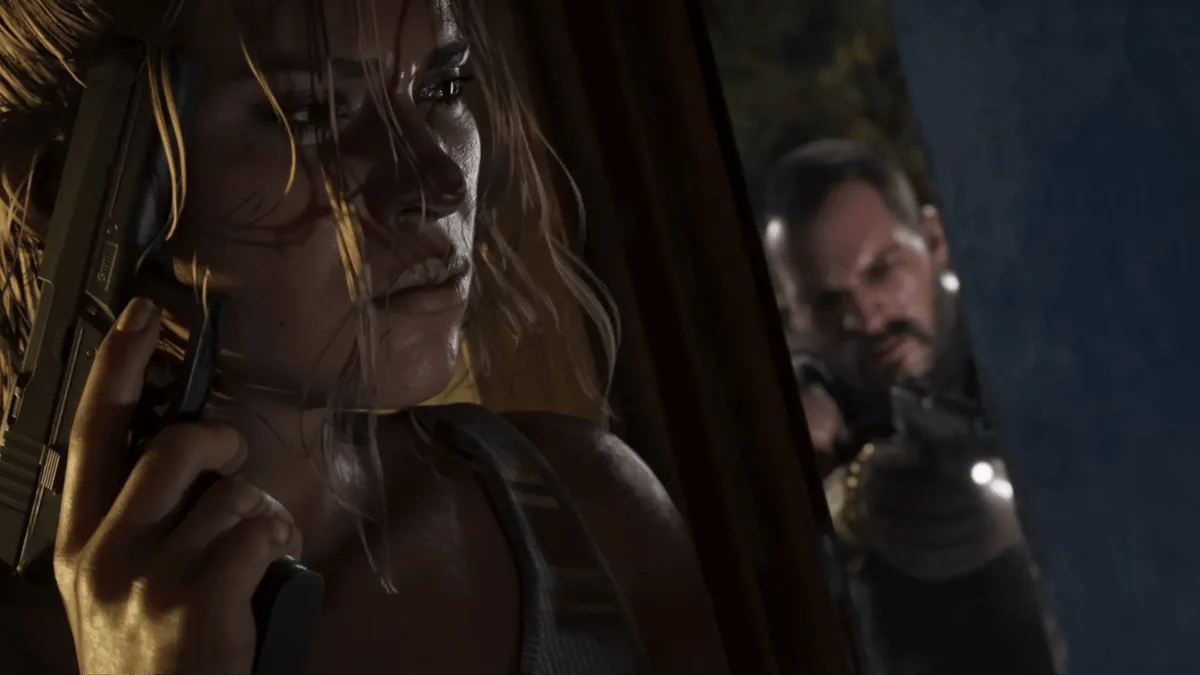
- Openly carrying a gun gets noticed: pull out a rifle on the street and passersby will dodge, comment or even call the police.
- Upgraded Greet / Antagonize system: Greet, provoke or calm people down, and NPCs respond differently based on the player’s actions and their own personality.
- Memory and contextual dialogue: Some NPCs remember earlier encounters, and conversations shift with the time of day, the weather and whether they witnessed a crime.
- Dynamic body and animation adaptation: When NPCs of different heights and weights use the same animation set, it adjusts in real time for more natural movement.
The world is no longer a backdrop but a space that actively responds to the player’s presence.

3. A Brand-New Wanted and Identification System
The wanted level now goes up to six stars. More importantly, the underlying logic has changed:
- A crime is only reported if it is witnessed or triggers an alarm.
- Police log and track clothing, faces and vehicles, and even whether you are operating as a pair.
- A quick respray or a car swap is no longer enough to shake pursuit; escaping requires a more thorough disguise.
The system turns getting away from hiding in a corner until the stars disappear into a genuinely strategic act.
4. Simulating the Characters’ Bodies and Condition
It continues and greatly expands on the body system from Red Dead Redemption 2:
- Diet affects weight, and overeating makes you gain pounds.
- Working out builds muscle, changing both appearance and melee ability.
- Long nights and constant flight leave visible exhaustion on your face.
These changes are not just visual feedback; they also affect how the characters perform and interact in the world.
5. Social and Environmental Detail Interactions
- You can pet or scold dogs: The Extended Look shows pet interaction clearly, and it may influence a positive rating in your criminal record.
- Social media on the phone: An in-game social feed can be browsed in real time, and some missions and character stories advance through posts.
- Environmental destruction and physics: Richer destructible objects and rigid-body physics deepen immersion.
Compared with Earlier Games
| System | GTA5 | GTA6 (Confirmed) |
|---|---|---|
| NPC reactions | Mostly flee or repeat fixed lines | Open carry gets noticed, provocation works, NPCs remember |
| Wanted system | Five stars, mostly waiting for the stars to fade | Six stars, tracks clothing, face and vehicle |
| Character switching | Three characters, with cooldowns | Two leads, seamless, works inside a vehicle |
| Body changes | Limited | Diet, exercise and sleep all affect appearance |
| Daily interaction | Minimal | Holding hands, opening doors and shared activities become systems |
Design Philosophy
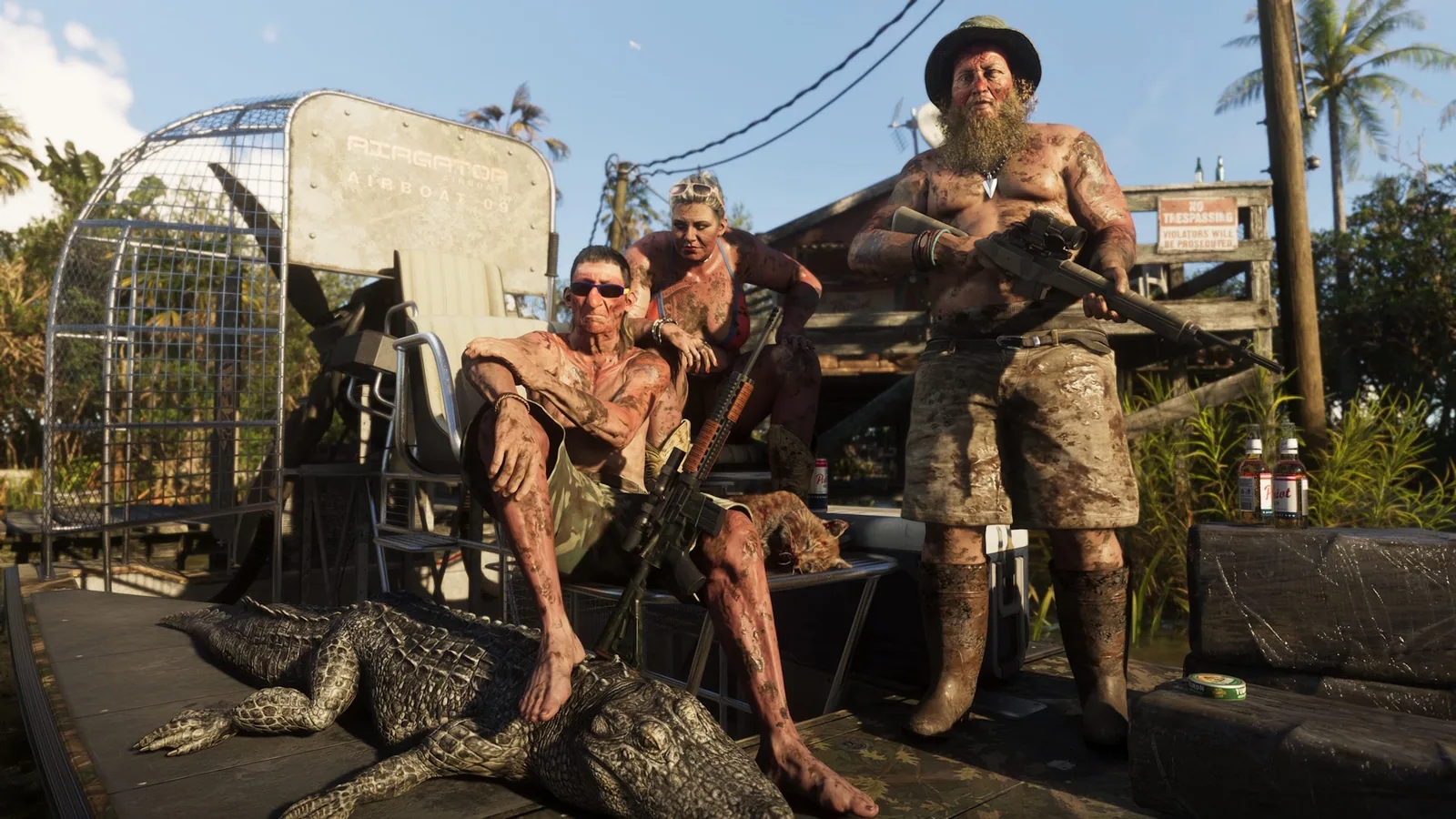
Rob Nelson, co-head of Rockstar North, has stressed repeatedly that the goal is for players to no longer glide through the city like a god. The world pushes back, NPCs follow their own logic, and actions carry visible consequences. That kind of freedom with a price gives every robbery and every street confrontation more weight.
The Bottom Line
Reactivity and consequence are at the heart of GTA6’s new interaction systems. From managing the relationship between the two leads to believable NPC responses, wanted-identity tracking and body-condition simulation, Rockstar pushes the open world further from sandbox playground toward a breathing virtual society.
These systems already appear clearly in the Extended Look, and after launch they will shape how players survive and commit crimes in Leonida. On November 19, 2026, players will experience a world more alive than any the series has offered before.