Guides · Systems
GTA6 Facial Expression Tech: The Core Breakthrough in Next-Gen Character Performance
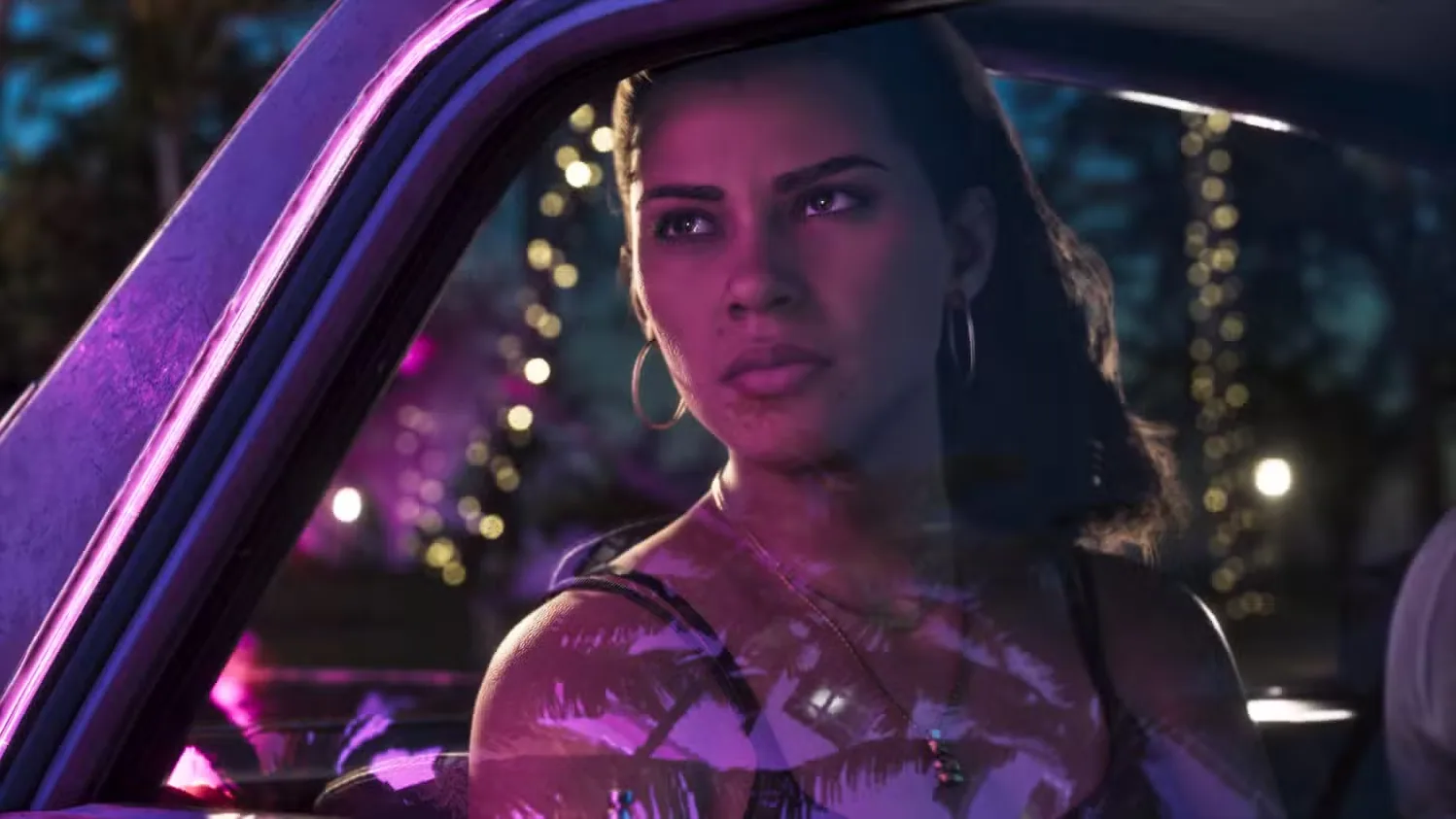
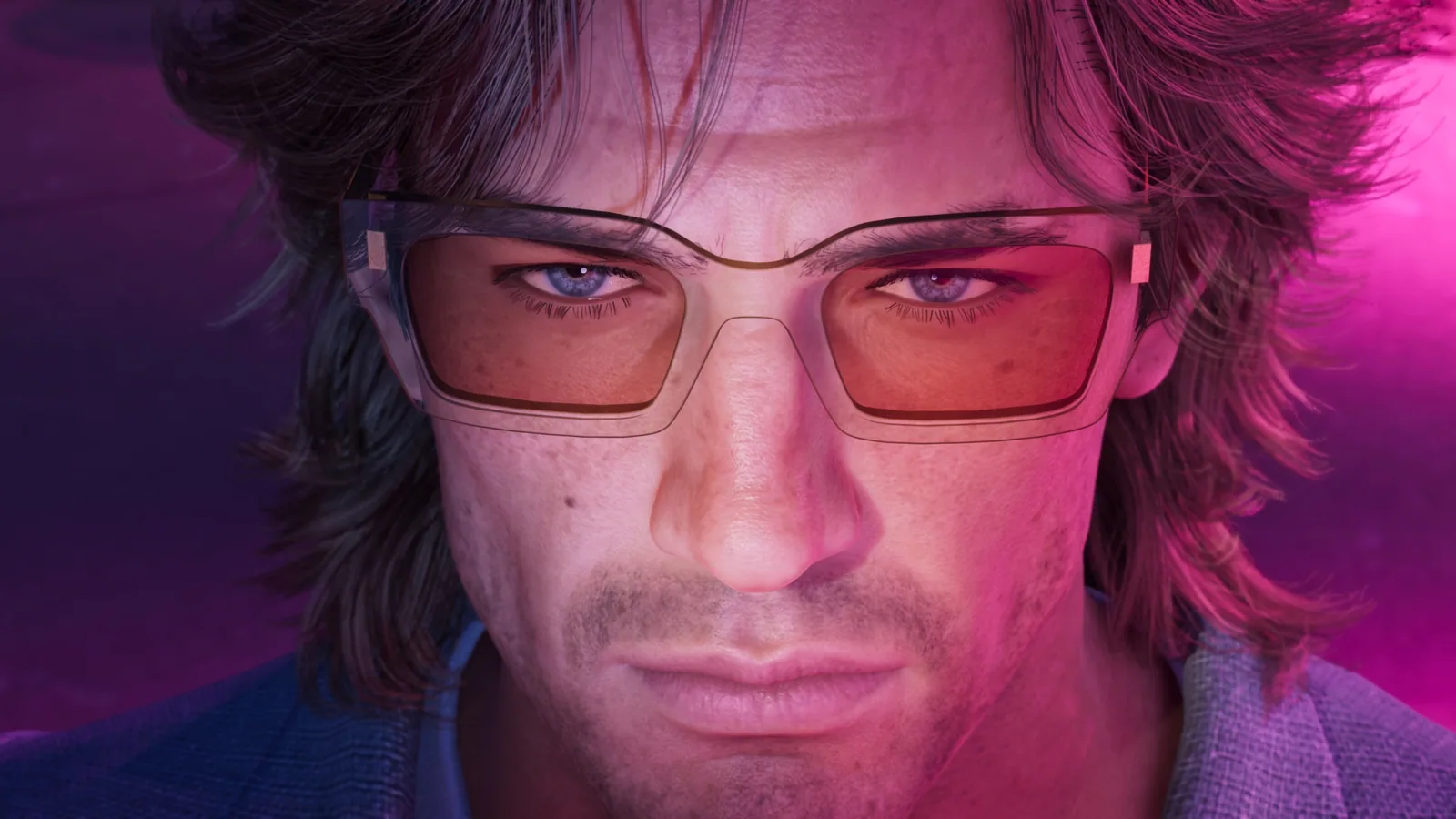
GTA6's facial expression system is one of the most immediately visible parts of its character presentation upgrade. From the trailers to the Extended Look gameplay footage, Jason and Lucia's micro-expressions, skin detail and emotional transmission have reached a new high for the series. Combined with motion capture, skin rendering and body-state simulation, faces are no longer just about moving a mouth when speaking, they are a real-time reflection of a character's personality and current condition.

On this page
GTA6’s facial expression system is one of the most immediately visible parts of its character presentation upgrade. From the trailers to the Extended Look gameplay footage, Jason and Lucia’s micro-expressions, skin detail and emotional transmission have reached a new high for the series. Combined with motion capture, skin rendering and body-state simulation, faces are no longer just about moving a mouth when speaking, they are a real-time reflection of a character’s personality and current condition.
Skin Rendering and Finer Facial Detail
In its analysis of the Extended Look, Digital Foundry noted that character rendering is among the most striking improvements on screen. Unlike GTA5’s waxier skin, which leaned on normal maps, GTA6 achieves better diffuse and specular response, letting faces convey subtler shifts in expression.
The specifics include:
- Skin highlights move naturally with the light, and the texture of sweat and makeup reads more convincingly.
- The skin around the mouth forms natural creases when a character speaks.
- Micro-expressions (an asymmetric smile, darting eyes, a squint, clenched teeth) are clearly visible.
- Emotion is often legible before a line finishes: a character will furrow a brow, tighten their jaw or change their breathing before they speak.
That level of nuance lifts the immersion of dialogue scenes considerably. Players are no longer just hearing lines, but reading a character’s real emotional state through their face.
Facial Capture and Performance-Driven Animation
GTA6 continues and intensifies Rockstar’s long-standing high-quality performance capture pipeline. Modern facial capture typically uses head-mounted cameras or facial markers that record micro-expressions, lip movement and voice in sync, keeping all three tightly aligned.
The trailers and gameplay footage show:
- The actors’ real performances are preserved in full, down to tiny muscle twitches and shifts in the eyes.
- When the two leads interact, their facial reactions feed off each other (tension in an argument, ease in an intimate moment).
- Transitions between cutscenes and live gameplay feel more natural, reducing the switch sensation common in older games.
Former Rockstar animators and technical analyses both point out that this blend of performance capture and post-production polish brings character faces close to the nuance of cinematic digital humans, while still running in real time in an open world.
How Body State Affects the Face in Motion
The body simulation system inherited from Red Dead Redemption 2 extends further into the face in GTA6:
- Diet and fitness: changes in weight and muscle show up in facial contours.
- Sleep and fatigue: long manhunts, late nights or back-to-back jobs leave a character looking worn, with dark circles or a duller complexion.
- Environment and mood: skin gradually sweats in hot, humid conditions, and facial muscles tighten under stress or anger.
That means a player’s lifestyle choices are written directly on their character’s face. Jason and Lucia are no longer fixed models but faces that live through different states as the game progresses.

Facial Ties to NPCs and Interaction Systems
Facial expression isn’t limited to the protagonists. Rockstar has set up a dedicated team giving NPCs individual art direction, and passerby expressions and reactions are richer as a result:
- Fear, surprise or hostility when they see an armed character.
- Matching micro-expressions during conversation or confrontation.
- NPC facial features and expressive habits vary by region and social class.
Combined with the wanted system (police can identify you from a facial description) and interaction prompts (greet, threaten, reassure), the face becomes a key carrier of how the world responds.
Technical Comparison
| Aspect | GTA5 | Red Dead Redemption 2 | GTA6 |
|---|---|---|---|
| Skin rendering | Waxy, limited detail | Clear improvement | More realistic highlights and diffuse; supports subtle expression |
| Micro-expressions | Basic | Stronger | Asymmetric expressions, eye movement and creases all visible |
| Emotion delivery | Relies mainly on dialogue and body language | Face and body combined | Expression can convey emotion ahead of dialogue |
| State effects | Almost none | Weight, facial hair and more | Fatigue, sleep and diet directly affect the face |
| Real-time performance | Cutscenes first | Balanced across cutscenes and gameplay | High standard held in both cutscenes and live gameplay |

Design Intent
The upgrade to facial expression technology serves two core goals:
-
Characterization: giving Jason and Lucia’s personalities, relationship and emotions more dimension, strengthening the player’s emotional connection to them.
-
World credibility: when passersby and protagonists alike can convey genuine reactions through their faces, the open world stops being a backdrop and feels like a space people actually live in.
Together with the 600,000-animation library, soft-tissue physics and strand-level hair tech, this forms a complete character presentation system. Rockstar has stated plainly that it does not use generative AI to create content; all facial animation is based on real performance and manual polish.

Summary
GTA6’s facial technology centers on more realistic skin rendering, micro-expression capture, emotion that arrives before the line and the dynamic influence of body state, a further leap beyond the step from GTA5 to RDR2. It lets characters say more than their dialogue in conversation, conflict and everyday life.
After launch, players will feel the power of that system in every close-range interaction, whether it’s the complicated emotion in Lucia’s eyes or a passerby’s face freezing the instant they see a gun barrel. Both will be part of what makes Leonida immersive. This next-gen facial performance system faces player scrutiny on November 19, 2026.