Guides · Systems
Money in Hand Is Money That Counts: How GTA6's Economy Makes Being Broke Feel Real
In most open-world games, money is just a number. You finish missions, the number goes up, then you spend it in a shop. Late-game GTA5 worked exactly that way: after the Union Depository job you're sitting on tens of millions, but beyond buying a few businesses and a few supercars, the money means almost nothing.

On this page
In most open-world games, money is just a number. You finish missions, the number goes up, then you spend it in a shop. Late-game GTA5 worked exactly that way: after the Union Depository job you’re sitting on tens of millions, but beyond buying a few businesses and a few supercars, the money means almost nothing.
GTA6 is turning that around. Rockstar North co-head Rob Nelson admitted in an interview that one problem with GTA5 was that there “wasn’t enough for players to spend money on.” In the new game, money isn’t a disposable score, it’s the core resource that decides whether you can keep pushing the story forward.
Three Currencies, Three Kinds of Risk
The most visible economic change in GTA6 is splitting money into three forms: your bank balance, the cash you carry, and the value of the loot stashed in duffel bags.
Money in the bank is safe. Whatever happens to Jason and Lucia, it doesn’t go anywhere. Carried cash is a different matter entirely: get shot down by police before you reach an ATM and the cash in your pocket is gone. That means after every robbery you’re weighing two options, cash out fast or avoid getting stopped.
Loot in duffel bags is messier still. It can’t be spent directly; it has to be sold to the right fence before it becomes usable cash. More to the point, fences aren’t universal. Cars, jewelry and drugs each move through their own channels, so you need to find the people willing to take on each specific kind of trouble. The fences themselves also unlock through story progress. In other words, rob a pile of jewelry without knowing a jewelry fence and all you’ve got is dead weight in your bag.

Robbery Is a Business With Tiers
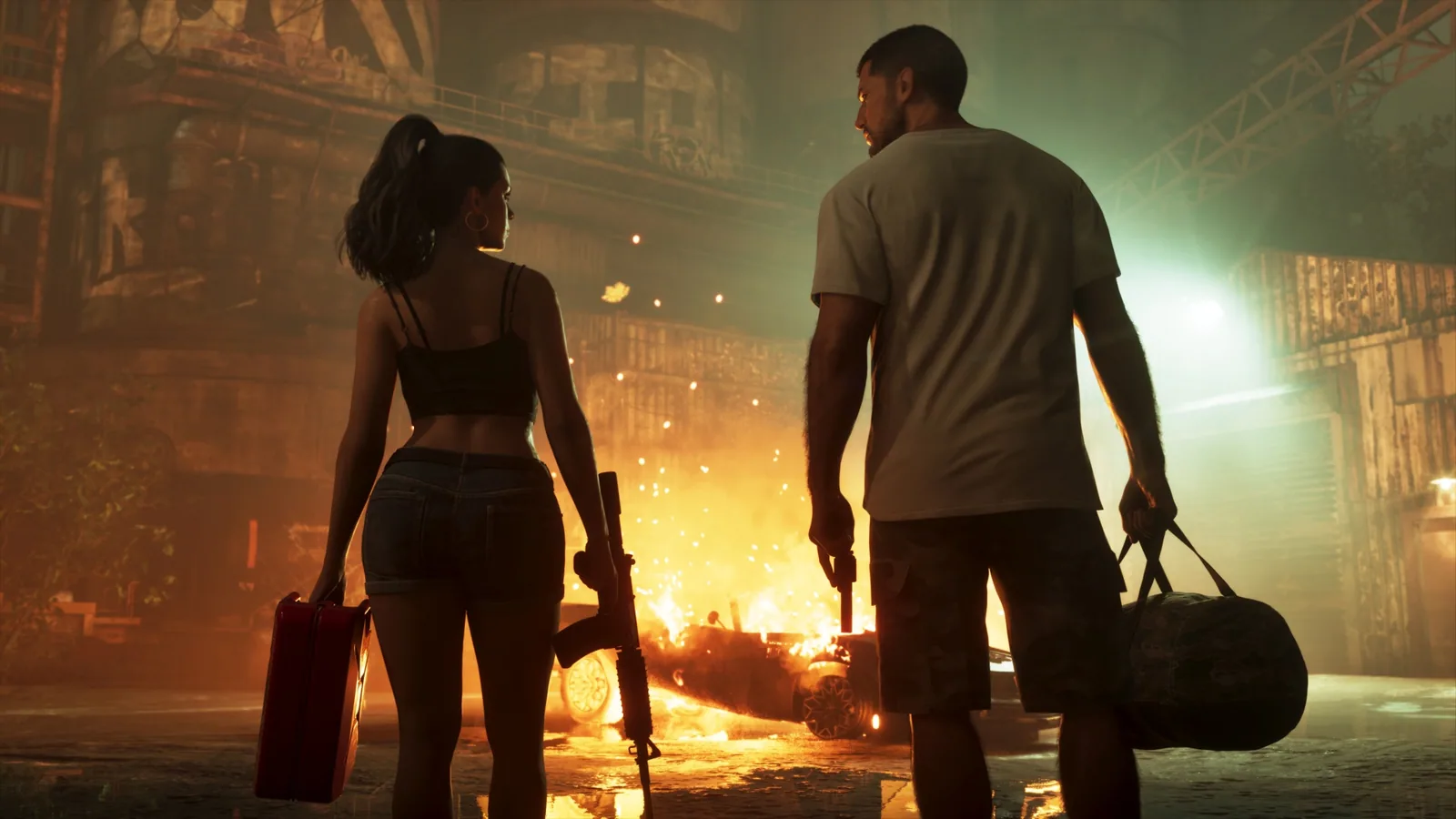
GTA6’s robbery targets come in five tiers, from lowest to highest: local stores (convenience stores, payday loan shops, phone repair shops), small jobs (cash trucks, armored cars), jewelry stores, banks, and gang hideouts.
Low-tier robberies usually carry no map icon and bring in only a few thousand dollars, but they’re easy to hit and low-risk. High-tier jobs such as banks and gang dens mark estimated payouts on the map, so you can judge whether the risk is worth it before you commit. And a robbery isn’t simply walking in and shooting your way to the cash: some shops keep a safe in the back that you need the combination to open, security cameras record what you do, and both civilians and guards can intervene.
Money ties directly into the narrative here. Rockstar has confirmed that at certain points Jason and Lucia need to have banked a set amount of cash before later missions unlock. Money earned in free exploration stops being extra income and becomes a requirement for moving the main story forward. That pushes players to actively hunt for criminal opportunities across Leonida’s open world rather than passively following mission markers.
More Than One Way to Earn
Beyond robbery, the game offers several income streams. Racing events, whether cars, monster trucks or dirt bikes, pay out, and racing looks to carry more weight in this story than in past entries. You can also dive the waters around Vice City for sunken treasure and turn what you find into income. Pool in the bars pays too, though nowhere near as well as a successful jewelry store robbery.
These legal or semi-legal activities give players breathing room: when you don’t want to risk a robbery but still need to scrape together the funds for the next chapter, you can run a few races or try your luck underwater.
Making Broke Feel Like a Real Experience
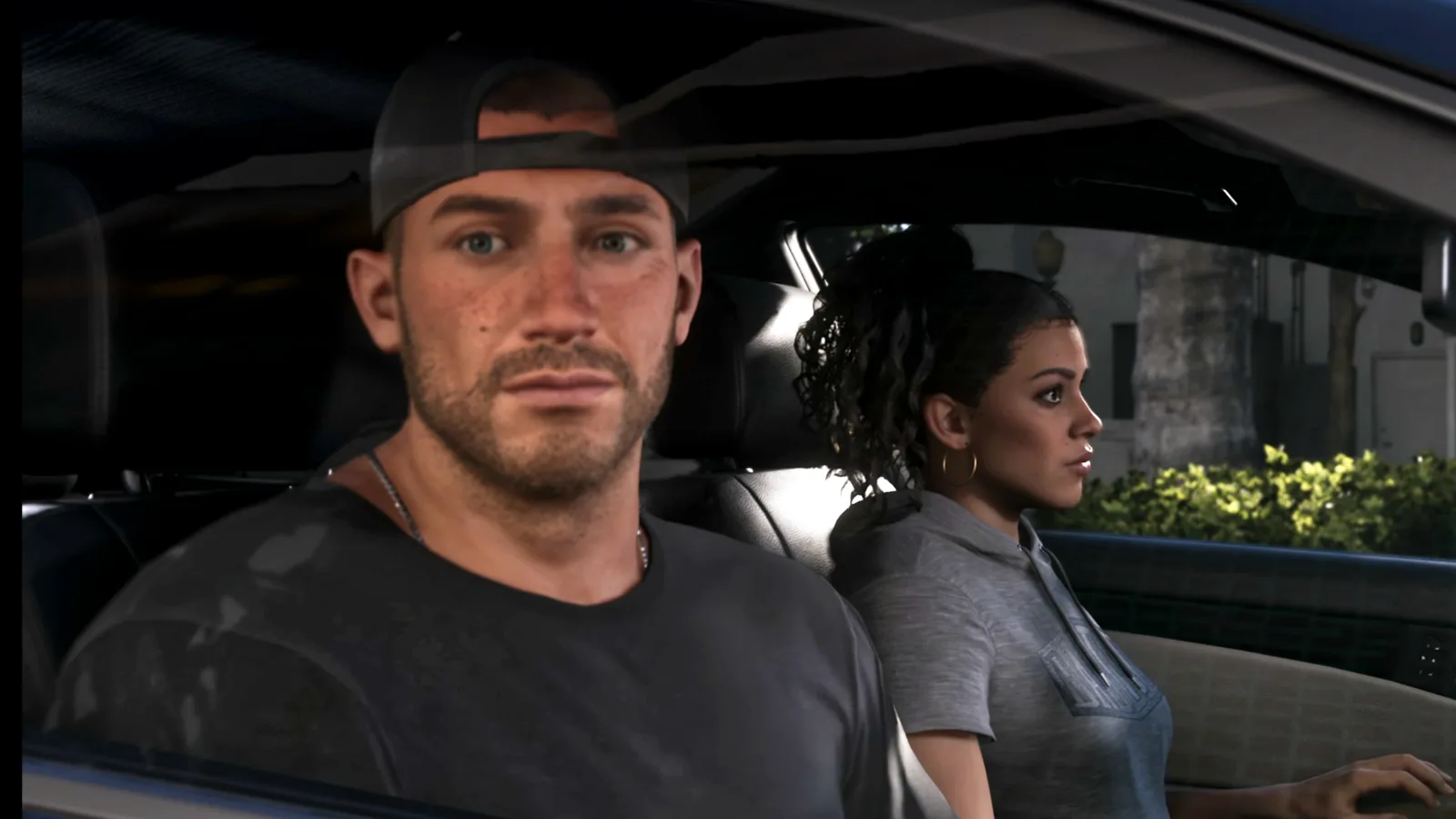
What’s most commendable about GTA6’s economy isn’t how complex it is, but that it gives “not having enough money” real presence. GameRant noted in a piece that most open-world games either leave players swimming in cash by the mid-to-late game or reduce money to a meaningless grind token. GTA6 takes the harder road: cash can be lost, loot needs dedicated channels to convert, and the story stalls because you’re broke.
That design gives every robbery genuine tension. You finish a convenience store job with a few thousand dirty dollars in your pocket, and you’re not thinking “I just made money,” you’re thinking “I need to bank this before someone clocks me.” In Leonida, money isn’t a number. It’s something you have to worry about constantly.